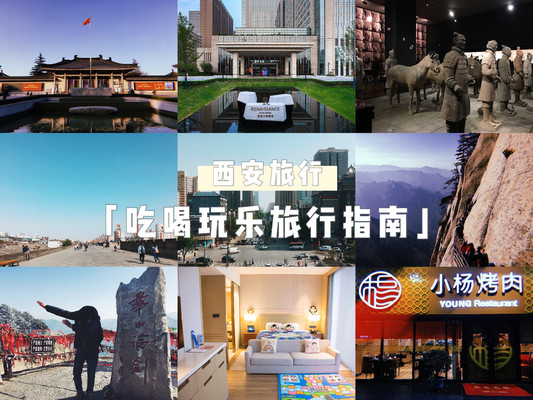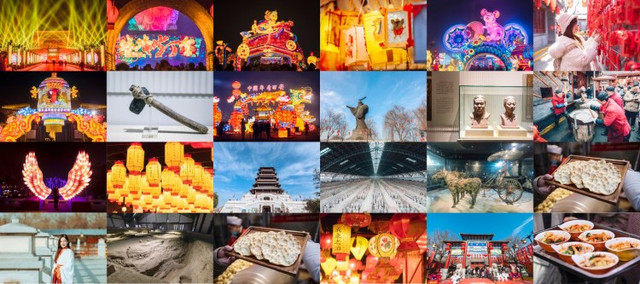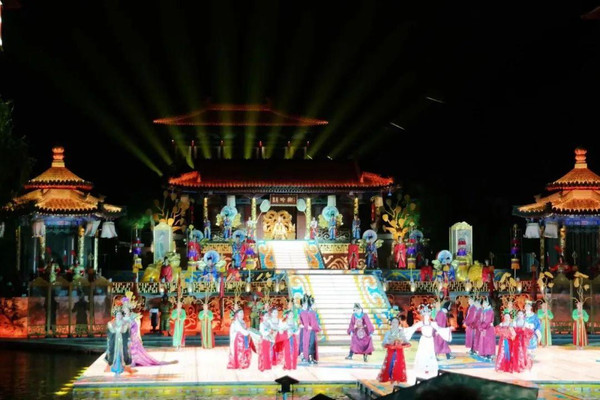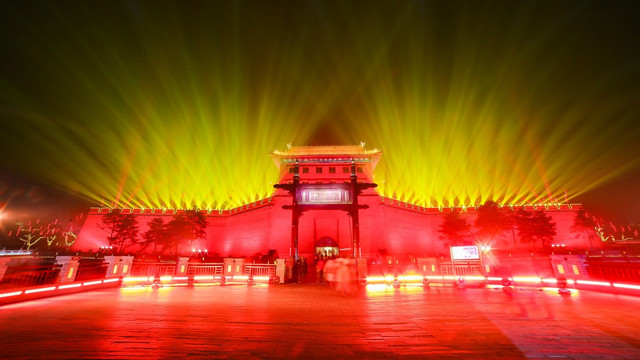
The eastern terminus of the Silk Road, where 3,000 years of history come alive through the legendary Terracotta Army, ancient city walls, and vibrant Muslim Quarter street food culture.
A city where ancient emperors built legendary monuments along the Silk Road

Xi'an, the eastern terminus of the ancient Silk Road, stands as one of the world's great historic capitals โ a city that has served as the imperial seat for 13 dynasties across more than 3,000 years of recorded history. Long before Beijing rose to prominence, Xi'an (then called Chang'an) was the pulsing heart of Chinese civilization, where emperors ruled, poets found their muse, and merchants from across Eurasia converged in bustling markets. The Terracotta Army โ 8,000 life-sized clay soldiers guarding the tomb of China's first emperor โ remains one of the greatest archaeological discoveries of the 20th century, a silent army that has stood watch for over two millennia.
Yet Xi'an is far from a city frozen in time. Its ancient city walls โ the most complete in China โ now serve as a unique promenade where locals and visitors alike cycle or stroll beneath the setting sun, watching the modern cityscape blend seamlessly with centuries-old gates and watchtowers. The Muslim Quarter, centered around the Great Mosque with its striking Chinese-Islamic architectural fusion, transforms each evening into a vibrant street food paradise. Here, the scent of sizzling lamb skewers mingles with the call to prayer, and vendors serve steaming bowls of yangrou paomo (bread soaked in lamb broth) using recipes unchanged for generations.
What makes Xi'an truly captivating is how it wears its history without pretense. This is not a polished tourist attraction but a living, breathing city where young entrepreneurs launch tech startups in converted factory lofts steps away from Tang Dynasty pagodas, where university students crowd into noodle shops that have operated since their grandparents' childhood. The city's location at the crossroads of cultures โ where Buddhism entered China, where Silk Road caravans unloaded goods from Persia and beyond โ has left an indelible mark on its cuisine, architecture, and spirit. Whether you're watching the sunrise illuminate the Big Wild Goose Pagoda, cycling the complete ancient walls at golden hour, or losing yourself in the labyrinthine alleys of the Muslim Quarter, Xi'an offers a journey through time that few cities on Earth can match.
From the Terracotta Army to ancient city walls, walk through 3,000 years of history
A vibrant labyrinth of narrow alleys filled with the aroma of cumin-spiced lamb skewers, sizzling noodles, and colorful street food stalls. The heart of Xi'an's...
Learn More โ
China's best-preserved ancient city wall, stretching 13.7km in a complete circuit around the old city. Built during the Ming Dynasty atop Tang Dynasty foundatio...
Learn More โ
The legendary army of 8,000 life-sized clay soldiers, horses, and chariots that has guarded Emperor Qin Shi Huang's tomb for over 2,200 years. Each warrior has ...
Learn More โFrom Silk Road lamb feasts to hand-pulled noodles, savor the flavors of an ancient capital

Xi'an's signature dish โ crumbled flatbread soaked in rich lamb broth with tender meat, vermicelli noodles, and aromatic spices. Diners tear their own bread into bite-sized pieces before the soup is poured over. A hearty, soul-warming meal perfected over millennia.
? Try: Lao Sun Jia (est. 1898) or Tong Sheng Xiang for authentic preparation

Often called the world's first hamburger โ chopped spiced pork stuffed into crispy, oven-baked flatbread. The meat is slow-cooked for hours with over 20 spices until melt-in-your-mouth tender. Xi'an's most popular street food, eaten for breakfast, lunch, or dinner.
? Try: Qin Zhen Rou Jia Mo or any busy stall in Muslim Quarter

Thick, hand-pulled belt noodles drizzled with sizzling chili oil, garlic, and vinegar โ named after the "biang biang" sound of dough hitting the counter. The character "biang" is one of the most complex in Chinese, with 56 strokes. A spicy, chewy, utterly satisfying bowl.
? Try: Biang Biang Mian restaurants throughout the city or Muslim Quarter stalls

Xi'an's Muslim heritage shines in these cumin-scented lamb skewers โ tender chunks of meat grilled over charcoal and dusted with fragrant spice blends. A legacy of Silk Road traders who brought Persian flavors to ancient Chang'an. Best eaten straight from the grill.
? Try: Muslim Quarter night market, follow the smoke and crowds
A curated plan to explore imperial tombs, ancient walls, and the vibrant Muslim Quarter
Start at the world's largest public square. Arrive early to watch the flag-raising ceremony if desired.
Enter through the Meridian Gate and explore the vast imperial palace. Don't miss the Hall of Supreme Harmony and the Imperial Garden. Allow 3 hours minimum.
Climb Jingshan Hill behind the Forbidden City for a panoramic view of the palace rooftops, then grab lunch at a nearby restaurant.
Explore the stunning circular architecture and watch locals practicing traditional activities in the surrounding park grounds.
Stroll the famous pedestrian street and sample snacks at the night market. Great for Peking Duck dinner at Quanjude.
Leave early to beat the crowds. Take the MuTianyu Express bus from Dongzhimen or hire a private car (1.5 hours). Consider the cable car up and toboggan down for the full experience.
Walk along this beautifully restored section with 23 watchtowers. The hike from Tower 14 to Tower 20 offers the most dramatic views. In autumn, the foliage is spectacular.
Eat at one of the local farmstead restaurants โ try the rainbow trout from the mountain streams or a heartyๅๅฎถ่ (farmhouse meal).
On the return, stop at the Olympic Green to see the Bird's Nest and Water Cube. The area is beautifully lit at dusk and makes for great photos.
Take a rickshaw ride through the ancient alleys, visit a traditional courtyard home, and try your hand at making dumplings with a local family. Stop at the Drum and Bell Towers.
Explore this trendy hutong strip for creative snacks, artisan coffee shops, and boutique stores blending old and new Beijing.
Wander through contemporary galleries, street art installations, and design studios. Visit UCCA for world-class exhibitions. The industrial architecture alone is worth the trip.
End your Beijing adventure in the city's trendiest neighborhood. Choose from rooftop bars, live music venues, or upscale restaurants. The area around Taikoo Li is perfect for people-watching.
"Multi-city itineraries showcasing the best of China, with Xiโan as a highlight"
Beijing โ Xi'an โ Shanghai โ Guilin. The ultimate first-timer's route covering imperial history, the Terracotta Warriors, modern Shanghai, and the Li River's karst landscapes.

Xi'an โ Dunhuang โ Urumqi โ Kashgar. Follow ancient caravan routes from the Terracotta Army to desert caves and Central Asian bazaars, tracing the legendary Silk Road.

Xi'an โ Luoyang โ Kaifeng. Explore three ancient Chinese capitals with Terracotta Warriors, Longmen Grottoes, and Song Dynasty heritage in one concentrated historical journey.
Everything you need to know for a smooth and enjoyable visit
Beijing is served by two major international airports:
Beijing's transport network is extensive and affordable:
Best neighborhoods for different travel styles:
Cultural know-how for a respectful visit:
Continue your China journey with these incredible nearby destinations
Let us help you plan the perfect trip to China's magnificent capital