Welcome to Discover China!

Food & Culture

Discover the flavors, traditions, and experiences that make China unforgettable.

The Eight Great Cuisines of China

Each region tells a different story through flavor, technique, and tradition.
Sichuan Cuisine
🌶
Sichuan
川菜
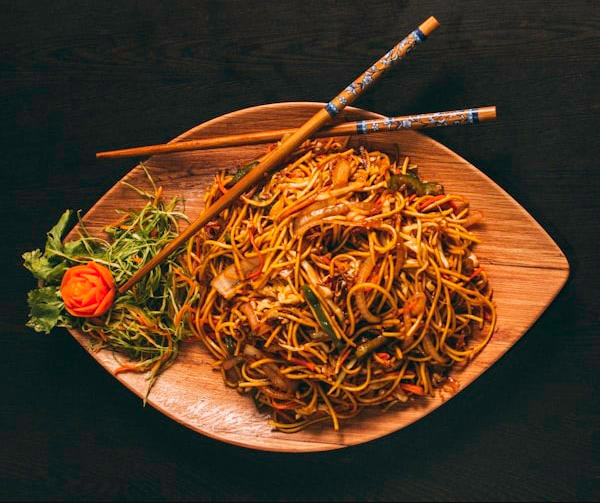
Numbing spice, wok hei, and the art of ma la. Sichuan cuisine is famous for its bold, complex flavors built on Sichuan peppercorn and chili.
Famous for: Mapo Tofu, Kung Pao Chicken, Dan Dan Noodles
Cantonese Cuisine
🦎
Cantonese
粤菜
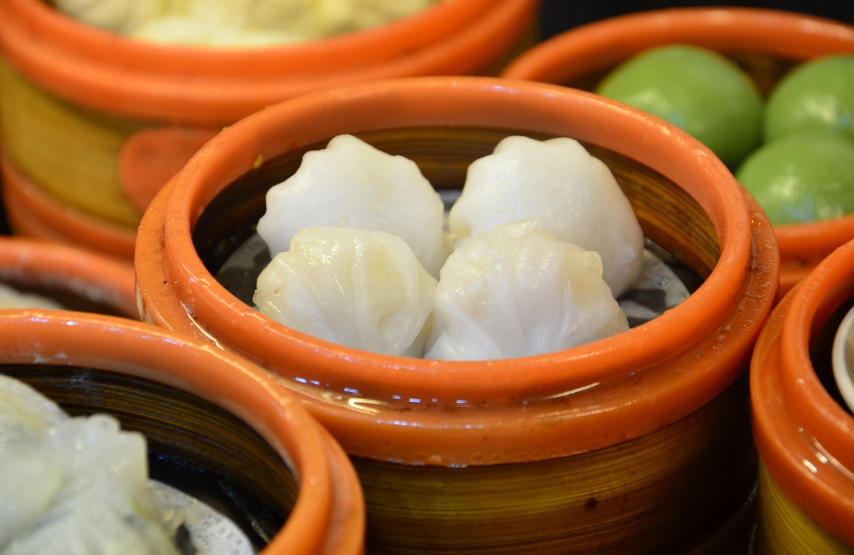
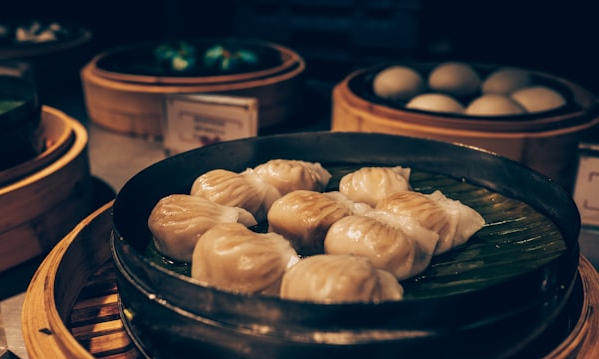
Delicate flavors, fresh ingredients, and the art of dim sum. Cantonese cooking prioritizes natural tastes and subtle seasoning.
Famous for: Char Siu, Sweet & Sour Pork, Dim Sum
Shandong Cuisine
🦸
Shandong
鲁菜
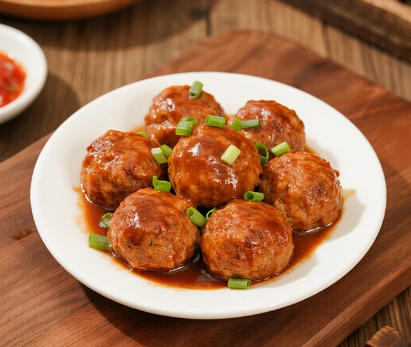
The imperial cuisine tradition. Bold, savory, seafood-forward. Shandong is the oldest of the eight traditions and influenced all northern cooking.
Famous for: Braised Sea Cucumber, Sweet & Sour Carp
Jiangsu Cuisine
🍜
Jiangsu
苏菜
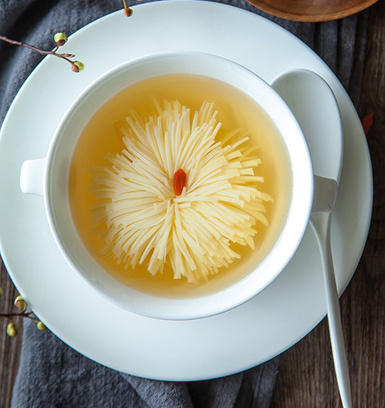
Refined, slightly sweet, beautiful presentation. Jiangsu dishes emphasize precise knife work and braising techniques passed down for centuries.
Famous for: Lion's Head Meatballs, Yangzhou Fried Rice
Zhejiang Cuisine
🐟
Zhejiang
浙菜
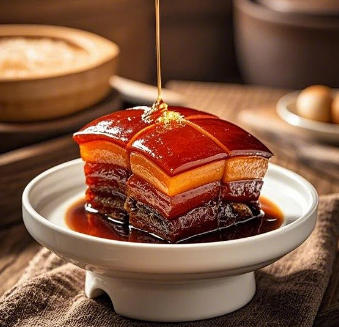
Fresh, light, with an emphasis on seasonal ingredients. Zhejiang cuisine is known for its mellow flavors and dishes that are never greasy.
Famous for: Dongpo Pork, West Lake Fish
Fujian Cuisine
🍲
Fujian
闽菜
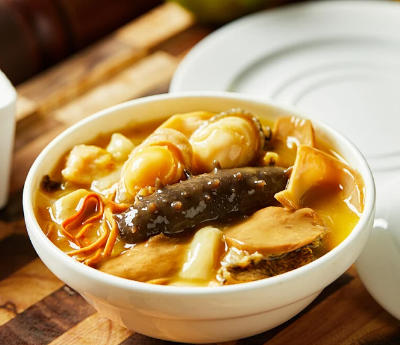
Umami-rich soups and seafood, influenced by Southeast Asia. Fujian cooking is celebrated for its elegant broths and use of red yeast rice.
Famous for: Buddha Jumps Over the Wall, Oyster Cake
Hunan Cuisine
🔥
Hunan
湘菜
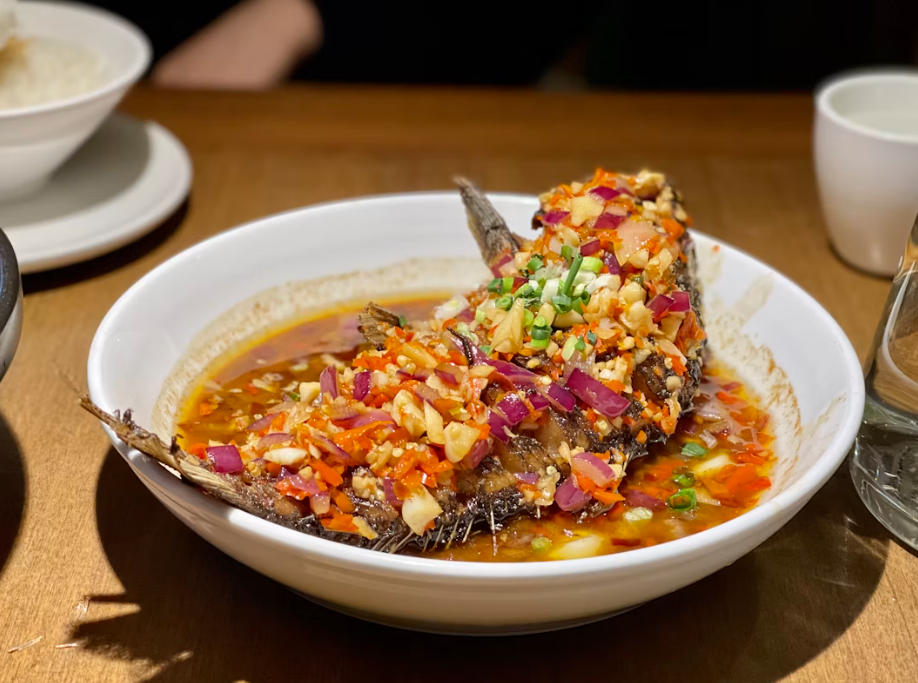
Fiery, aromatic, smokier than Sichuan. Hunan cuisine uses fresh chilies and smoked ingredients for a pure, intense heat without the numbing effect.
Famous for: Steamed Fish Head with Chili, Mao's Braised Pork
Anhui Cuisine
🥬
Anhui
徽菜
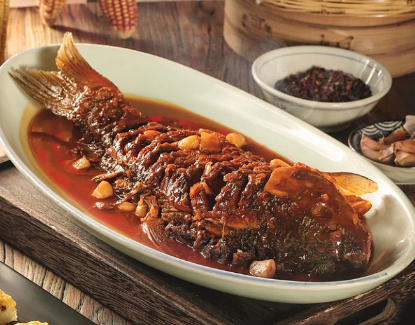
Mountain ingredients, wild herbs, slow-braised dishes. Anhui cuisine makes use of everything the Huangshan mountains provide, from bamboo to mushrooms.
Famous for: Stuffed Tofu, Braised Turtle
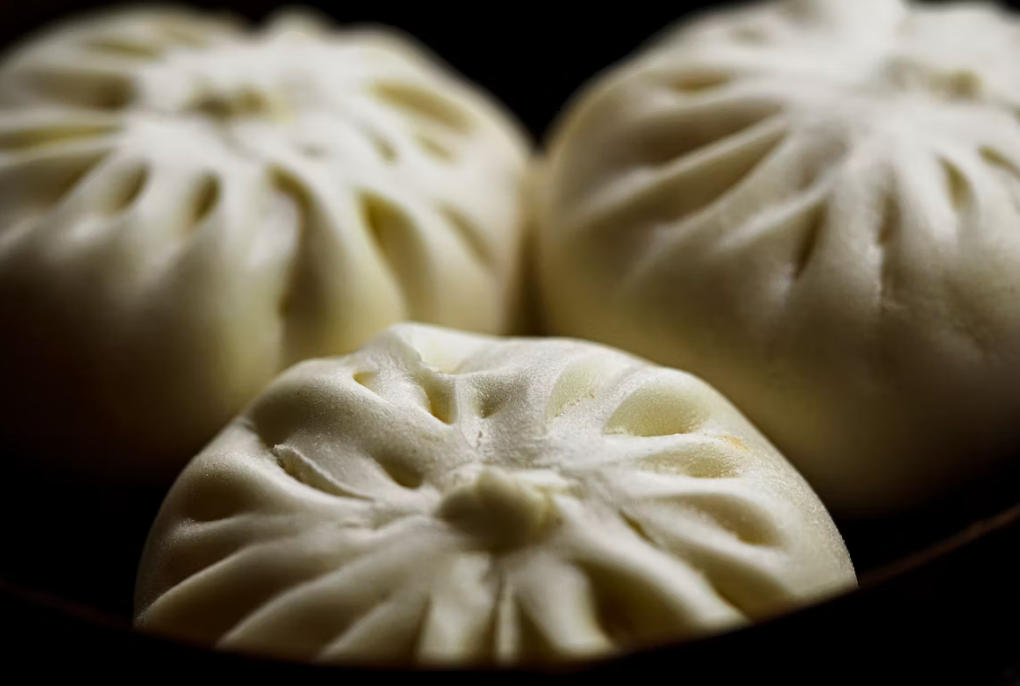
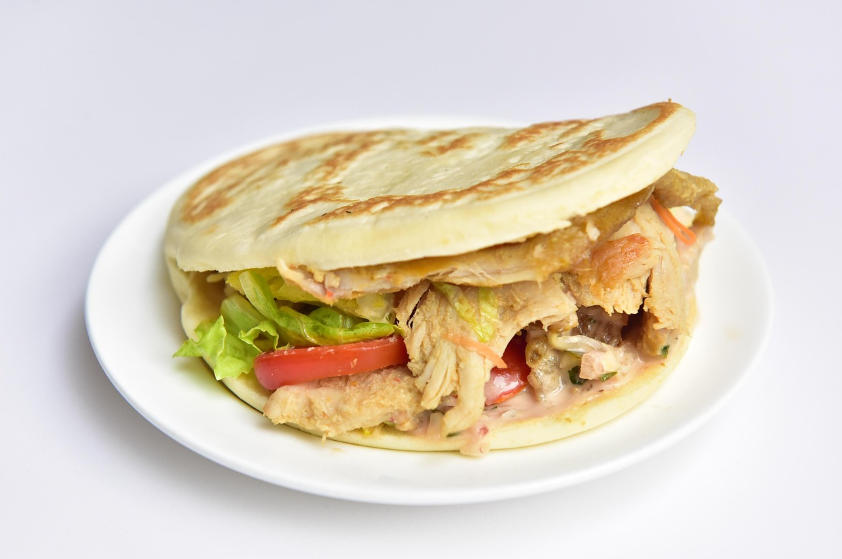
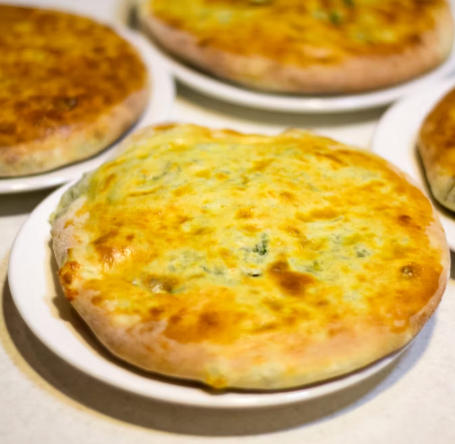
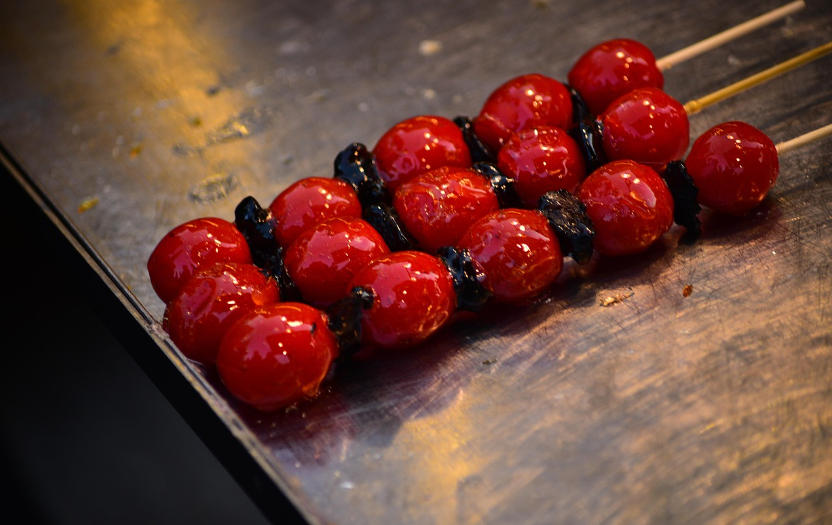
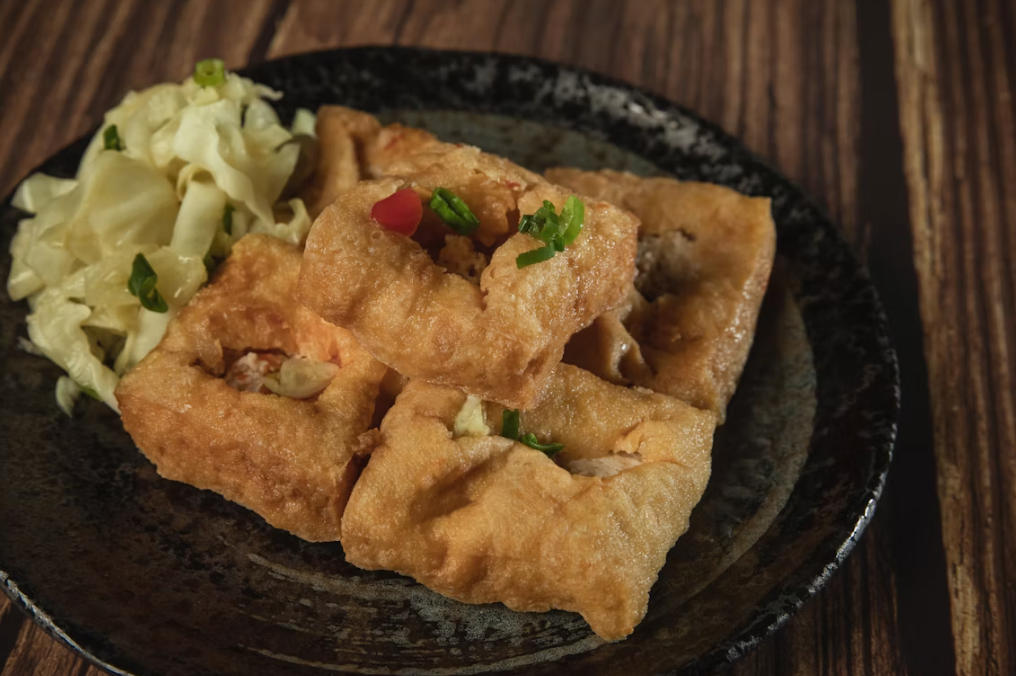
Street Food Icons

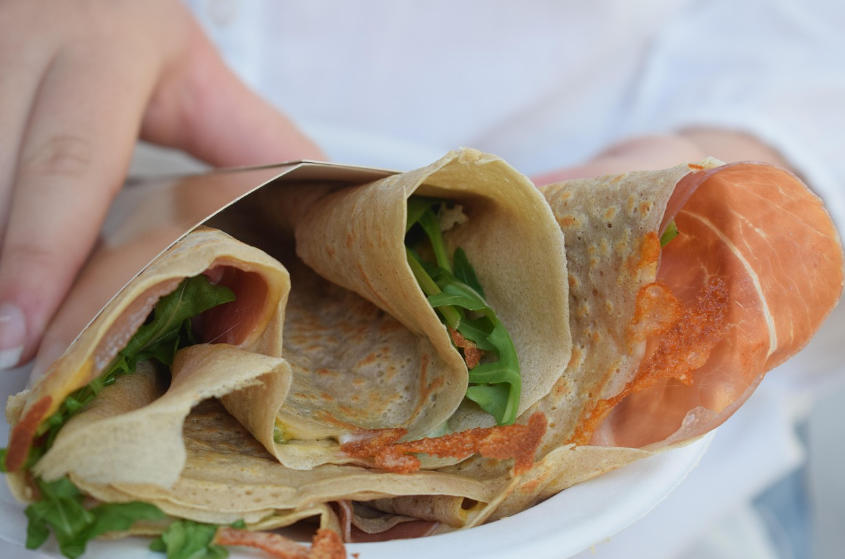
The snacks and bites that define everyday Chinese eating, from dawn to dusk.

Cultural Experiences You Can't Miss

Go beyond sightseeing with immersive activities that connect you to China's living traditions.

🥋
Morning Tai Chi
Beijing
Join locals at dawn in Temple of Heaven Park for a serene tai chi session surrounded by ancient pines.
🍵
Gongfu Tea Ceremony
Chengdu
Master the art of gongfu tea in a traditional teahouse, learning to appreciate oolong like a local.
🖌
Calligraphy Lesson
Beijing / Xi'an
Learn brush strokes from a local calligraphy master and take home your own handwritten scroll.
🎭
Peking Opera
Beijing
Watch a dazzling performance of elaborate costumes, acrobatics, and stylized singing at Liyuan Theatre.
🥣
Dumpling Making
Beijing / Harbin
Roll, fold, and steam jiaozi with a local family, learning the techniques behind China's favorite comfort food.
𞿴
Mahjong Night
Shanghai / Chengdu
Sit down with locals for a lively mahjong session. A crash course in China's favorite social game.
🏮
Lantern Festival Walk
Nanjing / Xi'an
Stroll through streets illuminated by hundreds of handcrafted lanterns during the annual Lantern Festival.
🧠
Silk Weaving
Hangzhou / Suzhou
Watch master weavers at work on traditional looms and learn the 5,000-year history of Chinese silk.
🎋
Bamboo Rafting
Guilin / Yangshuo
Drift down the Li River on a traditional bamboo raft past towering karst peaks and cormorant fishermen.
💆
TCM Experience
Beijing / Kunming
Try acupuncture, cupping, or herbal medicine at a traditional Chinese medicine clinic with an English-speaking practitioner.

Food Tours & Routes

Curated culinary itineraries that take you deep into China's most flavorful regions.

View All Food Routes →
Chengdu Spice Trail
4 Days
Chengdu Spice Trail
Chengdu Leshan Zigong
Dive into Sichuan's hottest kitchens, from street-side mapo tofu stalls to hidden hotpot joints known only to locals. Visit the giant panda base and a Sichuan peppercorn farm.
🌶 Sichuan's Hottest Kitchens View Route →
Cantonese Dim Sum Crawl
3 Days
Cantonese Dim Sum Crawl
Guangzhou Shunde Macau
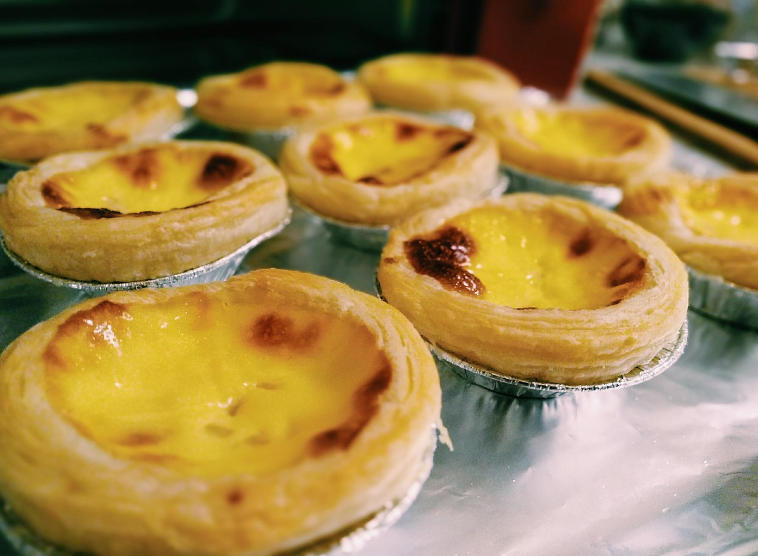
Experience yum cha (morning tea) at legendary restaurants, explore wet markets at dawn, and finish with Portuguese egg tarts in Macau's colonial bakeries.
🍵 Guangzhou's Morning Tea View Route →
Silk Road Flavors
10 Days
Silk Road Flavors
Xi'an Lanzhou Dunhuang Kashgar
Follow the ancient trade route through Muslim quarters, hand-pulled noodle shops, desert oasis bazaars, and Uyghur kitchens fragrant with cumin and lamb.
🏙 Xi'an to Kashgar View Route →

Dining Tips for Foreigners

Everything you need to know to eat like a local and navigate Chinese restaurants with confidence.

📋
How to Order
Many restaurants have picture menus or QR code menus you can scan. Don't hesitate to point at what looks good. Translation apps like Pleco can help you read text-only menus. In smaller restaurants, the owner may come to your table to take orders personally.
🍴
Shared Dining
Meals in China are communal. Dishes are placed on a lazy susan for everyone to share. Order one dish per person plus a shared soup or two. It's customary to serve others before yourself, especially elders. Fighting over the bill is a sign of good manners.
🥒
Chopstick Etiquette
Never stick chopsticks upright in a bowl of rice, as this resembles incense for the dead. Don't point with them or tap them on the bowl. When not in use, rest them on the chopstick holder or across your plate. Using serving chopsticks for shared dishes is appreciated.
🥬
Dietary Restrictions
Learn key phrases: vegetarian is 素食 (su shi), no spicy is 不辣 (bu la), no pork is 不要猪肉 (bu yao zhu rou). Show these on your phone if needed. Buddhist restaurants (素食饮) are great for vegetarians. Note that many dishes contain small amounts of meat as flavoring.
💳
Tipping & Paying
Tipping is not part of Chinese culture and can even be considered rude. Most restaurants don't accept tips. Payment is increasingly done by scanning WeChat Pay or Alipay QR codes. Some restaurants charge per person rather than per dish. Bills are usually split evenly among the group.
🍱
Street Food Safety
Look for stalls with high turnover and long queues of locals, which means fresh food. Watch your food being cooked in front of you. Avoid raw items and unpeeled fruit from street vendors. Trust your instincts, and carry hand sanitizer. Night markets are generally safe and popular with families.

Hungry for More?

Let us craft a food-focused journey through China's most delicious destinations. Your taste buds will thank you.

Contact Us