Xi'an: A City That's Been an Internet Sensation for a Thousand Years
---
When you think of Xi'an, you picture the dust kicking up across the eight hundred miles of Qinchuan plain, and three million Shaanxi locals belting out Qinqiang opera. Ever since the Zhou dynasty planted its capitals at Feng and Hao, Xi'an has never stopped being a city people can't stop talking about. With thirteen dynasties calling it home, its historical and cultural depth has turned it into a place everyone feels compelled to visit and check off their list.
I passed through Xi'an back in 2014 and only stayed a single day. Six years later, with the viral bowl-smashing drink and the Unbeatable Lady performer, Xi'an has blown up online all over again. Chang'an was the dream of the Tang dynasty; Xi'an is the Chang'an dream of modern hearts.
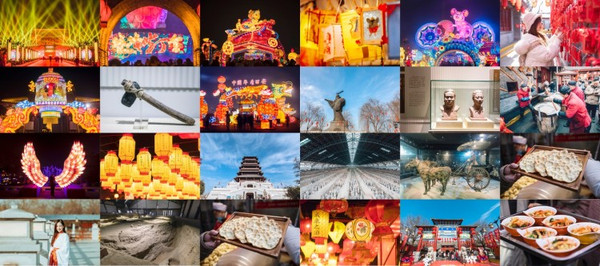
Here, you'll find the six-thousand-year-old Yangshao culture at Banpo.
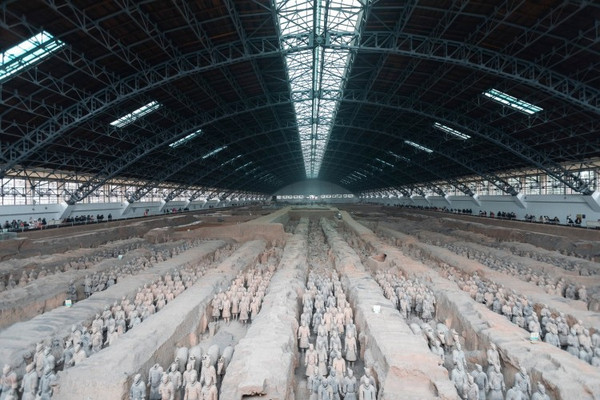
Here, you'll stand in awe of the Terracotta Warriors.
Here, you'll feel the weight of Han dynasty heritage.
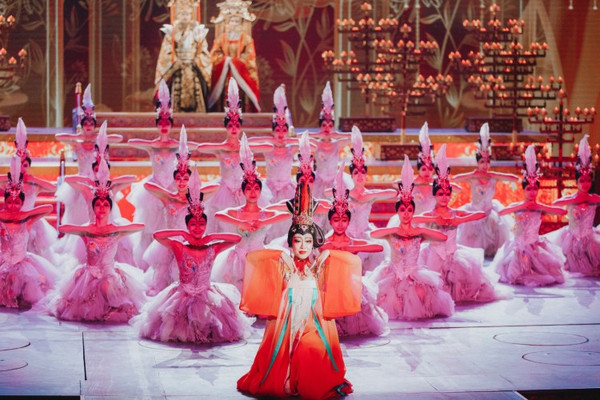
Here, you'll witness the glory and prosperity of the Tang golden age.
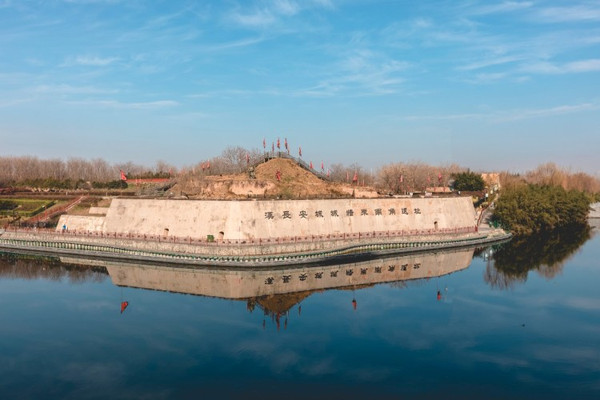
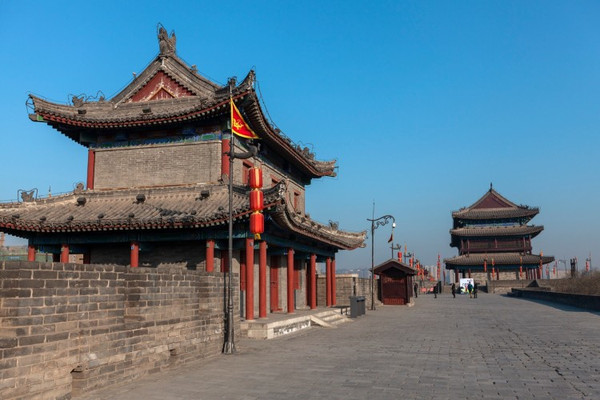
Here, you'll see the majesty of the Ming city wall.
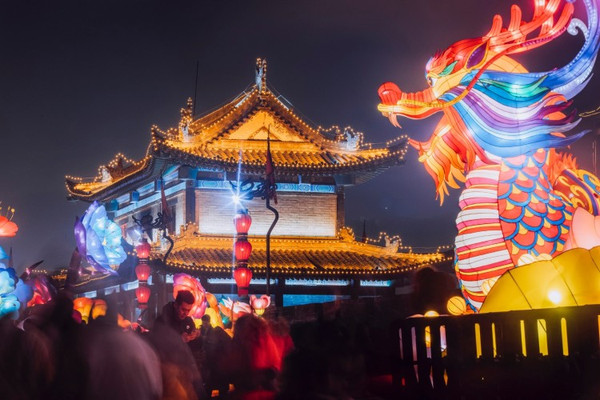
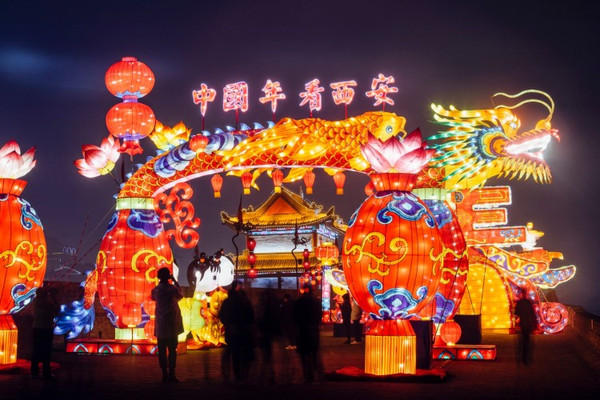
Here, you'll wander through dazzling lantern festivals set against mountains and water in an ancient city.
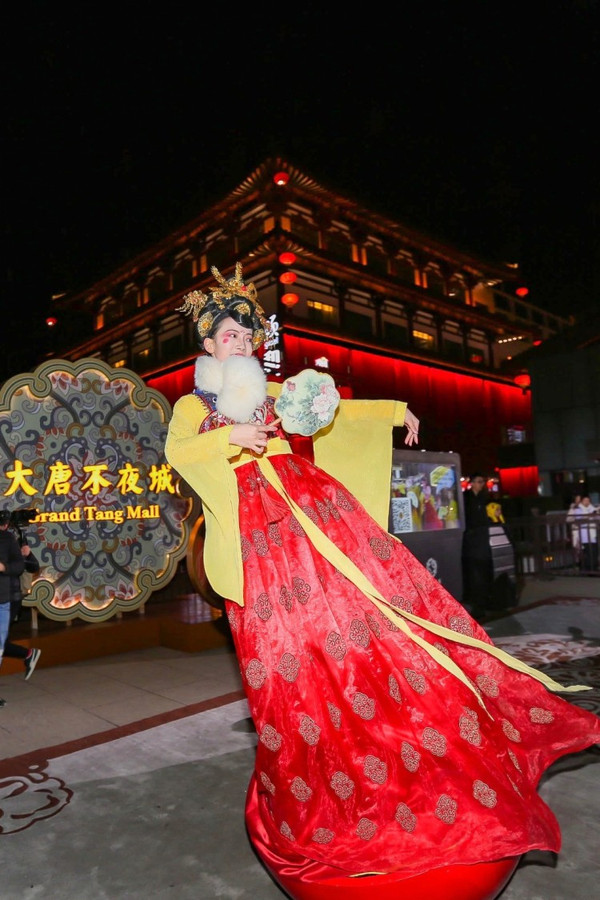
Here, you'll find the brilliantly lit大唐不夜城, the Great Tang All-Day Mall.
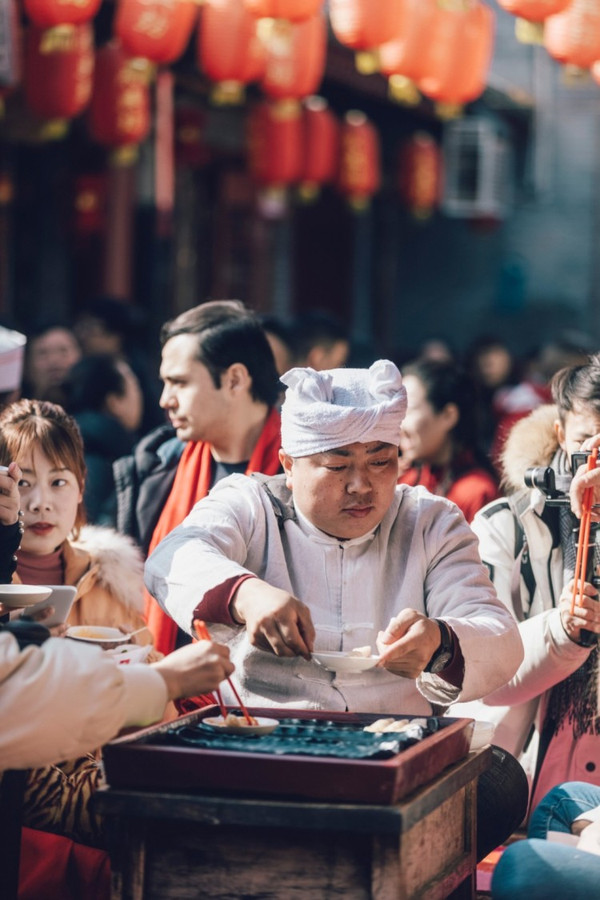
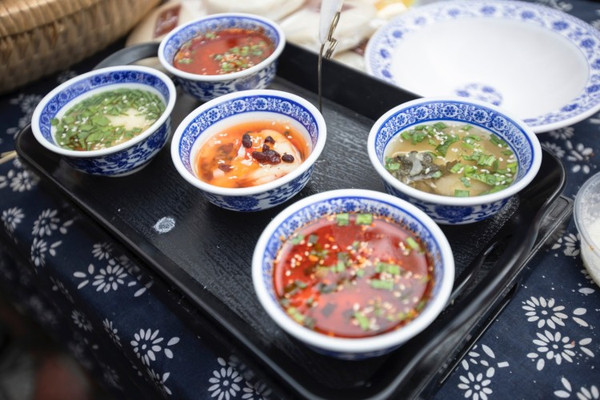
Here, you'll discover three days' worth of Shaanxi food and still not taste it all.
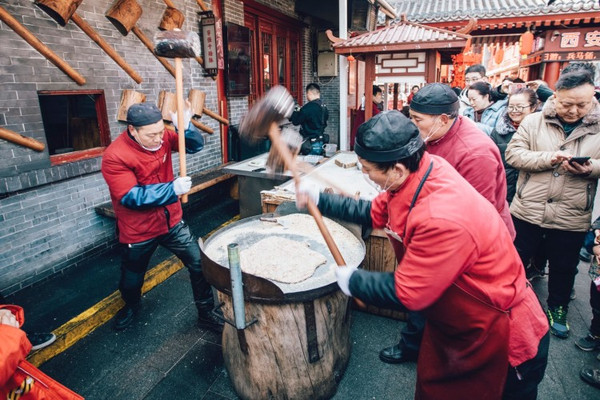
Here, you'll join the crowds smashing bowls of wine and snapping photos with the Unbeatable Lady.
---
**Getting There**
You can reach Xi'an by high-speed rail or plane. The city has three main train stations: Xi'an Station, Xi'an South Station, and Xi'an North Station. Xi'an Station is the primary one—all trains from Wuhan (including Wuchang and Hankou departures) that terminate or pass through Xi'an currently stop here. Xi'an North Station serves the Zhengzhou–Xi'an high-speed line. Xi'an South Station handles some trains on the Xi'an–Ankang railway. For flights, Xi'an Xianyang International Airport is a fair distance from downtown—about 30 kilometers from the Bell Tower. From the airport, you can take an airport shuttle bus or the intercity metro.
**Itinerary**
Day 1: Suzhou to Xi'an. Evening: Xi'an City Wall Spring Festival Lantern Festival.
Day 2: Morning: Banpo Museum. Afternoon: Terracotta Warriors Museum. Evening: Huaqing Pool Tang Palace Lantern Festival.
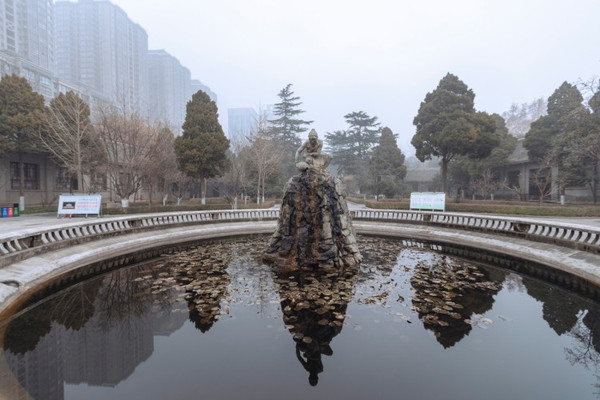
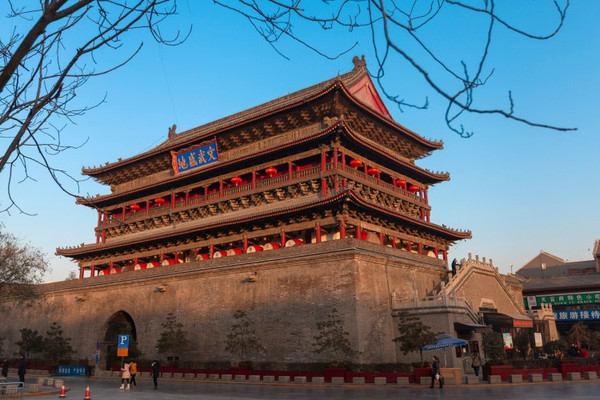
Day 3: Morning: Hancheng Lake Park. Noon: Yongxing Fang. Afternoon: Bell and Drum Towers. Evening: Tang Paradise and the Great Tang All-Day Mall.
---
**The Xi'an City Wall**
We reached our hotel in Xi'an from Suzhou around 2 p.m. After a quick rest, we headed straight to the city wall to catch the Spring Festival lanterns just as they were lighting up.
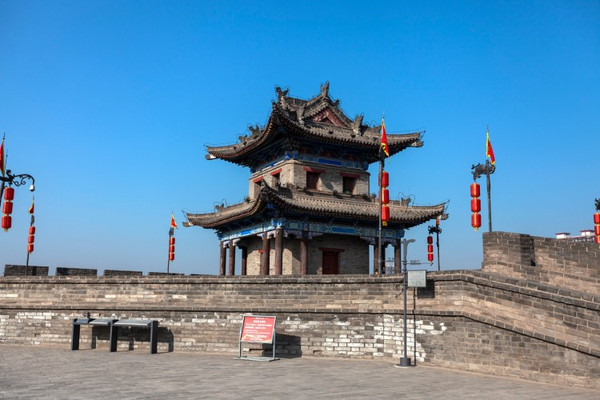
Compared to Nanjing's Ming wall, Xi'an's is smaller in scale, but it keeps a complete layout with its gate towers and arrow towers in excellent shape. It's often called the largest and best-preserved ancient city wall still standing.
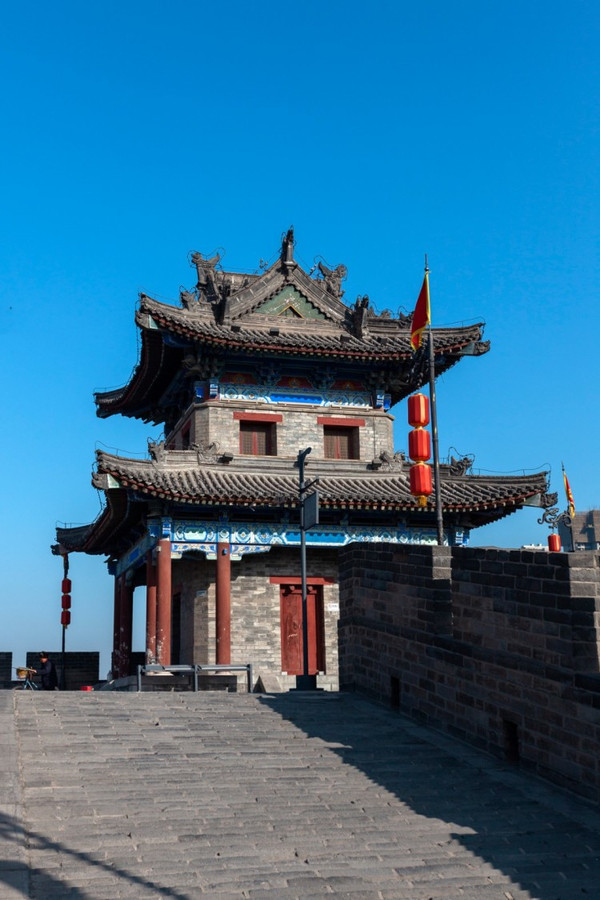
Walking the full perimeter takes about three to four hours. You can also rent a bicycle, or even fly a kite up there. Along the way, you'll pass plenty of watchtowers and arrow towers, most of them remarkably intact.
All four barbicans survive, each grand in scale and finely built. The west, east, and south gate towers are original Ming-dynasty wooden structures, and the arrow towers at the west, east, and north gates are also in great condition. The Anding Gate tower and arrow tower are especially fine—you can still make out the Ming-era painted patterns on the wooden beams.
**[South Gate · Yongning Gate]**
I'd suggest starting your climb at the South Gate. It's a short walk from the Bell Tower, and the southern stretch of the wall has the most to see. The Forest of Steles, the Academy Gate area, and Xiamaling are all near Duanlu Gate on the south wall, and Hanguang Gate has a museum built into the wall itself.
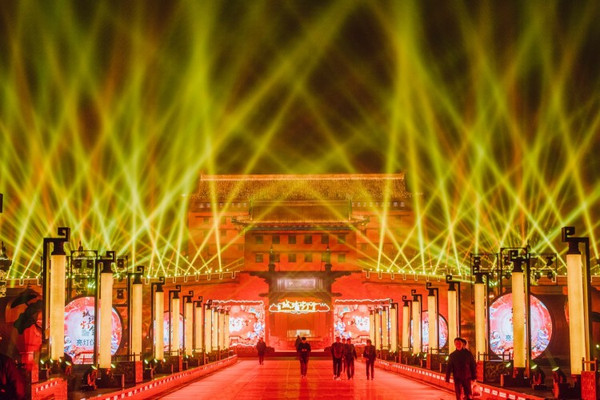
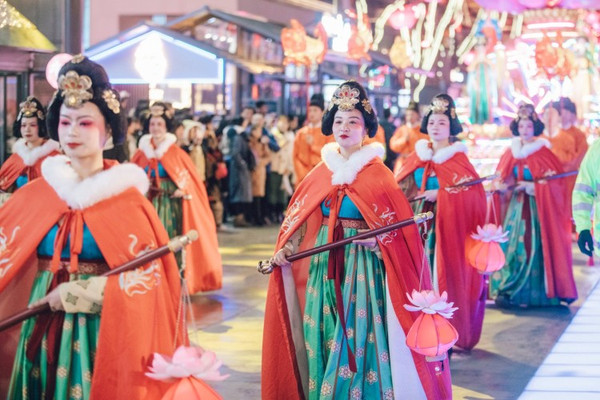
Yongning Gate hosts three performances: "Dream of Chang'an – A Grand Tang Welcome Ceremony," warrior guard patrols, and the changing of the guard. During Spring Festival and the Lantern Festival, the South Gate and the wall host their famous lantern displays.
**[North Gate · Anding Gate]**
The North Gate, also called Anyuan Gate, was built during the Ming dynasty when the wall went up. It sits right on the city's north-south axis and is the most iconic gate on the northern wall. Even back in the Tang dynasty, it served as the main entrance for welcoming guests—earning it the nickname "the First Gate of the Ancient City."
**[East Gate · Changle Gate]**
Changle Gate is the eastern gate, positioned just south of the midpoint of the east wall. It was newly built between 1374 and 1378 when Xi'an's city walls were expanded, and it's survived through the Qing dynasty and the Republic era. Today, it still has its barbican, arrow tower, main tower, and double gate passages.
**[West Gate · Anding Gate]**
The site of Anding Gate was originally the "Shunyi Gate," the central gate on the west side of the Tang dynasty's imperial city. It survived when Han Jian rebuilt the walls in the late Tang. During the Ming expansion of 1374–1378, it was kept as the west gate and renamed Anding. Its barbican, arrow tower, main tower, and double passages are all still there.
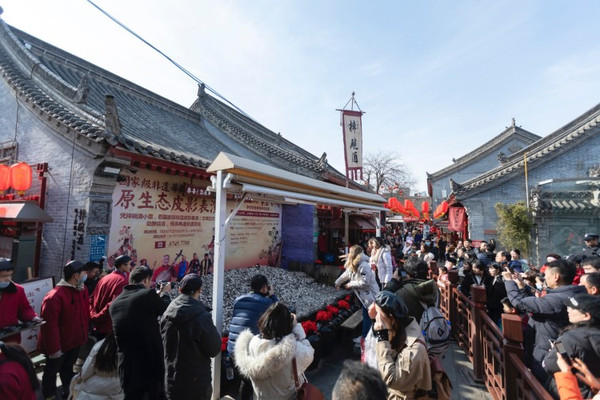
On either side of the gate, three arched passages allow vehicles and pedestrians through. Above Wenchang Gate, you'll find the Kuixing Tower on the wall. Inside Wenchang Gate is the Forest of Steles, and inside Zhongshan Gate (the "Little East Gate") is Yongxing Fang—home of the viral bowl-smashing drink. The street inside Zhongshan Gate is called Dongxin Street, and it's a food street in its own right.
---
**The Xi'an City Wall**
As described in *The Longest Day in Chang'an*, the most exciting time of year in the Tang capital was the Lantern Festival. The moonlight bathed the capital, and ornate carriages jammed the thoroughfares. According to *New Anecdotes of the Tang*, every year during the lantern festival, Chang'an lit up with countless lanterns. For three nights, the curfew was lifted, and the entire city stayed bright as day, with rulers and citizens celebrating together until the streets emptied of everyone—because everyone was out enjoying the lights.
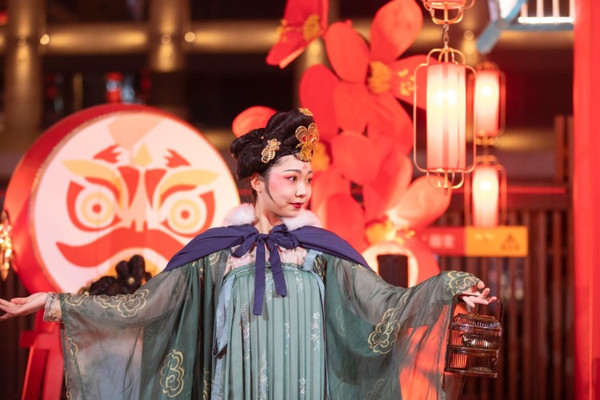
Fire trees and silver flowers merge; star bridges unchain their locks. Dust rises with the horses; bright moons chase after people. Singing girls in plum makeup stroll and sing ballads. The night guards don't stop the night, so don't rush the hourglass. Of all the lantern festivals I've seen, Xi'an's is the most magnificent. The sheer number of lanterns, the scale, the variety of styles, the cultural richness, the innovative tech—it feels like the whole city throws its weight behind it. They blend the city wall, Mount Li, Qujiang Pool, and everyday street life into one seamless vision, recreating the dazzling Tang dynasty in all its glory. It's a modern-day Chang'an that never sleeps.
The oldest lantern festival in Xi'an is the one on the city wall itself, which has run for over thirty years now. For one or two generations of locals, it's a cherished memory of growing up.
This year's 33rd edition, the Year of the Rat, centers again on Yongning Gate at the south wall—the only gate that still has its sluice tower. The lantern square in front of the gate tower sparkles with lights and glowing pillars.
---
**The Xi'an City Wall**
The festival is organized into five themed zones: Prosperous Chang'an, Joyful Wishes, Splendid China, Dreamy Childhood, and Radiant Past & Present. Together, they light up the entire southern wall.
Pass through the sluice tower and step into the crescent city. The dazzling "Flying Apsaras Dance" lantern group merges with the towering gate tower. Several female figures in flying poses look like they've traveled straight from Dunhuang, robes fluttering, while colorful lotus patterns bloom in layers, evoking the glory of the Silk Road.
---
**The Xi'an City Wall**
Once you're up on the wall, you'll find two "Wishing Lantern Corridors" on either side of the barbican, hung with palace lanterns. Crowds gather there to stop and take photos.
Stroll east along the wall, and you'll see the wall's mascot, the "Wall Baby," showing off its whimsical take on Chang'an. Galloping horses charge forward, ornate ribbons seem to flutter in the breeze, and people play polo surrounded by countless glowing lanterns—a grand tableau of a prosperous Tang capital.
A massive bronze tripod-shaped lantern, built from 150,000 tiny shimmering glass bottles, stands grand and resplendent, bursting with color and light.
Lotus motifs whisper good fortune, peonies bloom with breathtaking beauty. Radiant colors breathe life into the ancient city, and spring seems to burst forth in full splendor. Look—the glow is brilliant. Listen—the flowers seem to have a voice. It all