Terracotta Army Museum
About Terracotta Army Museum
The Terracotta Army is one of the most significant archaeological discoveries of the 20th century. Discovered in 1974 by local farmers digging a well, this underground army was created to protect China's first emperor, Qin Shi Huang, in the afterlife. The museum encompasses three excavation pits containing over 8,000 life-sized warriors, 670 horses, and 100 chariots.
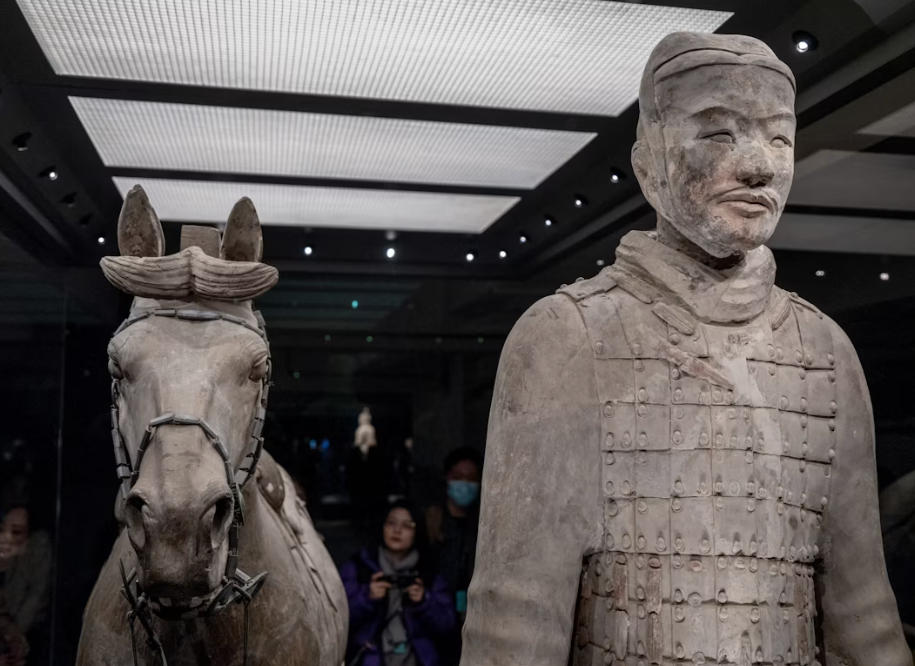
Each soldier is unique — with distinct facial features, hairstyles, armor styles, and ranks. The army includes generals, officers, infantrymen, archers, and cavalry, arranged in battle formation. The level of detail is astonishing: you can see the individual strands of hair, the folds in clothing, and the expressions on their faces. The discovery revolutionized our understanding of ancient Chinese military organization and artistic achievement.
What Not to Miss
Pit 1, the largest excavation, with rows of infantry soldiers stretching into the distance — the iconic image of the Terracotta Army.
Pit 2, featuring the advanced archers, cavalry, and chariot units with more complex formations.
The bronze chariots exhibition, displaying two half-scale chariots with incredible detail and craftsmanship.