Dreaming of Chang'an: Xi'an, the Ancient Capital Every Chinese Should Visit
Ever since the high-speed rail opened between Chengdu and Xi'an, I've found myself going back to this city again and again. I'd heard for years that Xi'an pulls out all the stops for Spring Festival, and after missing out two years in a row, I finally made it happen this year. Here's a rundown of my latest trip, covering the must-see spots and the food worth hunting down. This one's for anyone heading to Xi'an, or anyone already lucky enough to be there.
MY ITINERARY (RECOMMENDED)
1.17 Chengdu – Xi'an: Evening at Yongning Gate on the city wall for the lantern festival
1.18 Banpo Museum – Terracotta Warriors – The Passion of the Qin – Terracotta Warriors Workshop – Huaqing Palace
1.19 Han City Lake – Yongxing Fang – Bell & Drum Towers – Tang Paradise –大唐不夜城 (Tang Dynasty Night City)
1.20 Xi'an – Chengdu
FOOD PICKS:
1. Daqin Xiaoyan (near the Terracotta Warriors)
2. Yongxing Fang (Shaanxi street snacks, plus the Wei Zheng Family Banquet)
3. Zui Chang'an (Xi'an's famous internet-famous restaurant)
WHERE I STAYED:
1. Ramada Plaza Hotel
2. Zanbai Art Hotel
(Pro tip: taking the high-speed rail between Chengdu and Xi'an is the way to go—round trip will set you back around 500 RMB.)
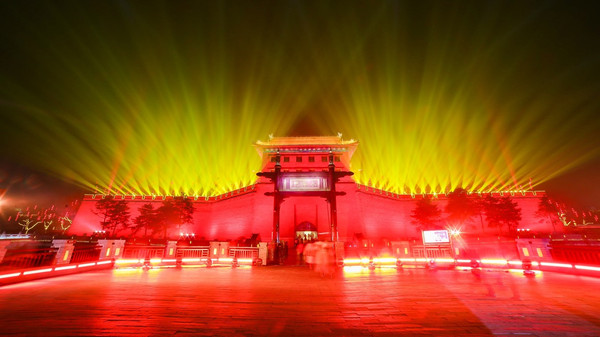
**Stop One: Yongning Gate and the City Wall Lantern Festival**
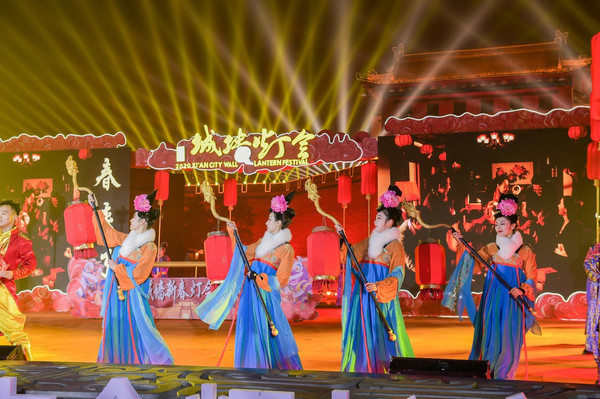
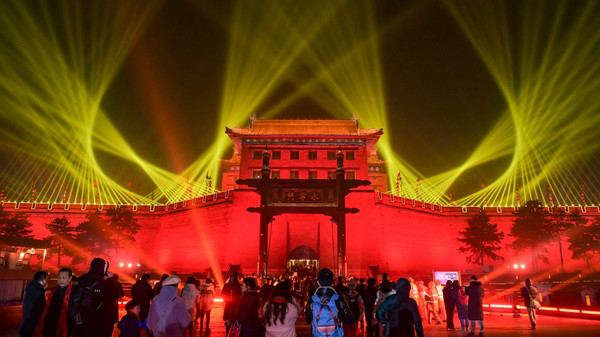
I managed to catch the lighting ceremony for the Xi'an City Wall lantern festival just before the Wuhan coronavirus outbreak hit. Xi'an really does pull off the blend of ancient and modern like nowhere else.
The city wall that survives today is, strictly speaking, the Ming Dynasty wall—and it's remarkably well preserved. If you only have time for one sight in Xi'an, don't skip this. The main wall originally had four gates: Changle (East), Yongning (South), Anding (West), and Anyuan (North). Those were the original gates of the old fortifications. Since the Republic era, more gates were punched through for convenience, bringing the total to eighteen today.
Yongning Gate, the southern main gate, sits slightly west of center on the south wall. It began as the "Anshang Gate" on the south side of the Tang capital's imperial city. When Han Jian rebuilt the city in the late Tang, it was kept. From 1374 to 1378, when Xi'an's city walls were expanded in the early Ming, this gate became the official south entrance and was renamed Yongning. The original three passageways of the Tang were replaced with a single arched brick tunnel. It's carried on through the Qing and Republican eras to this day. In June 1912, Shaanxi military governor Zhang Fenghui inscribed the gate's name plaque.
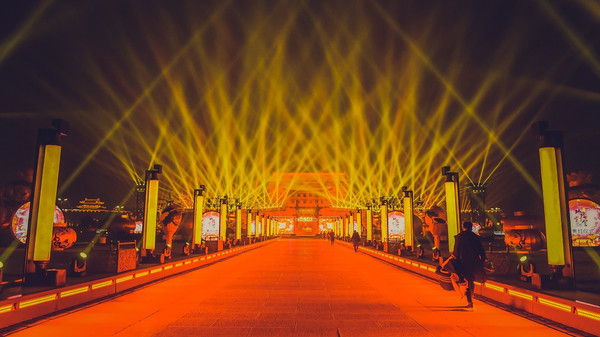
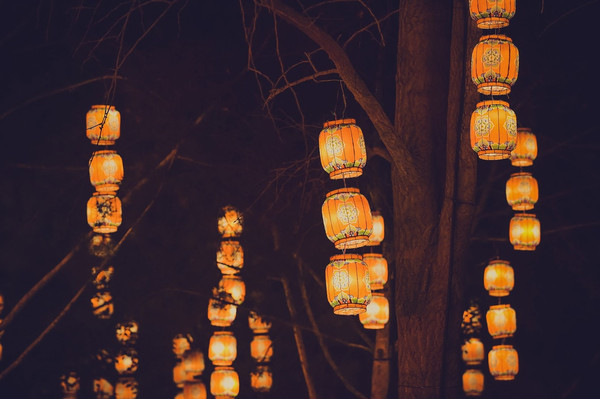
As night fell and the lanterns lit up, it felt like stepping straight back into the golden age of the Tang Dynasty.
The lanterns strung along the trees especially made it feel like you'd time-traveled.
**Stop Two: Banpo Museum**
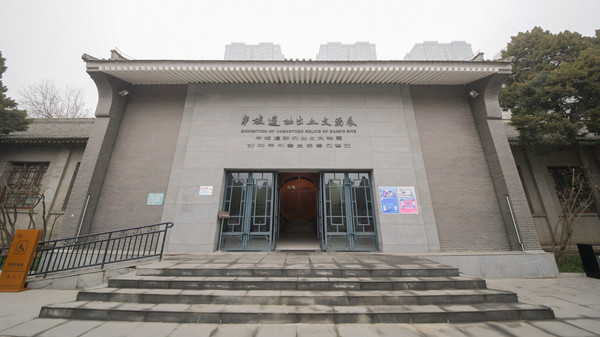
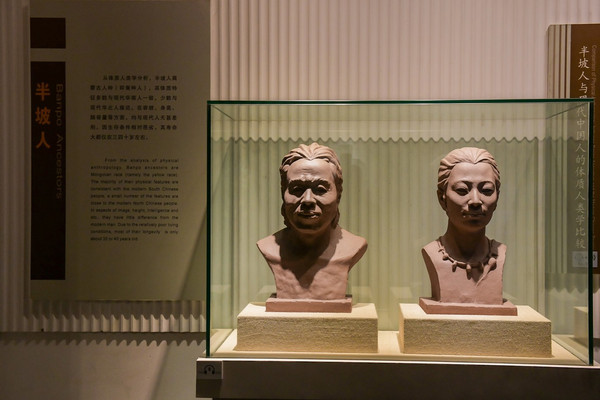
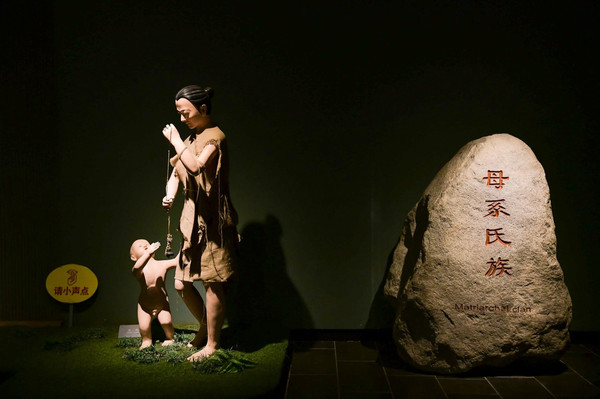
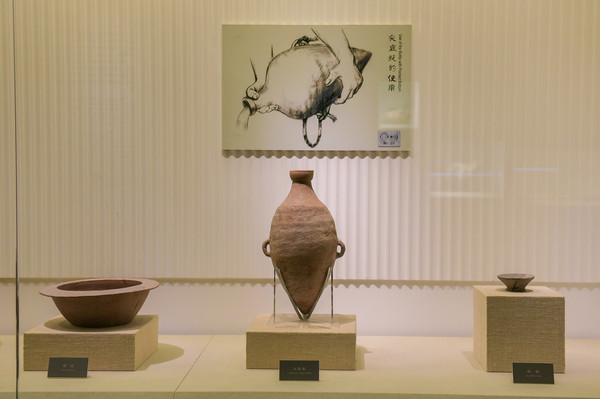
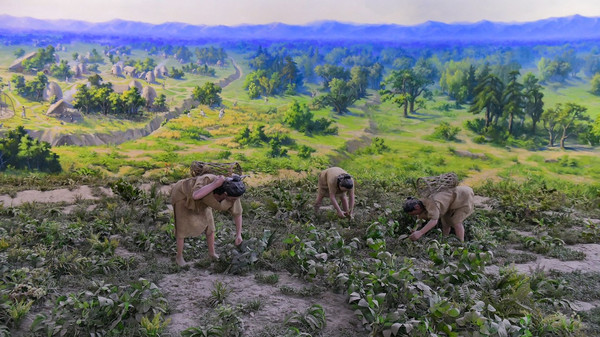
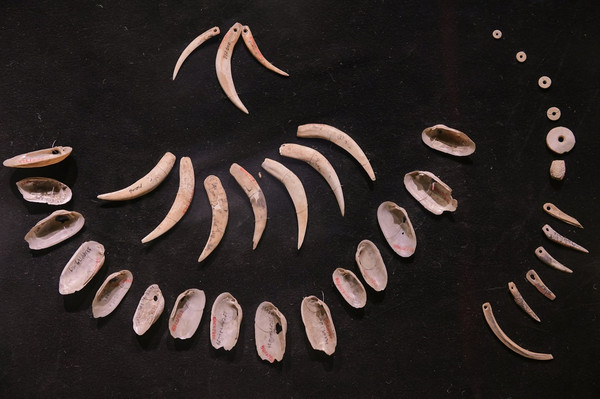
This is an old museum that's been open since 1958. It sits right on top of the Banpo excavation site and displays the pottery, tools, and household items unearthed there. The exhibits recreate life as it was lived over 6,000 years ago by our ancestors. Banpo is the largest and best-preserved matriarchal clan settlement from the Yellow River basin, and it was the first prehistoric site museum in the People's Republic.
Getting there: Take bus 105, 269, 406, or 416 to the Banpo Museum stop.
Tickets: General admission 65 RMB. Half-price for ages 6–18 and full-time undergraduates and below with valid ID. Free for children 6 and under or under 1.2m tall, active military and retired military cadres, people with disabilities, seniors 65 and up, and for student groups with prior arrangement.
Hours: 08:00–17:30 (Mar 1–Nov 30), 08:00–17:00 (Dec 1–Feb 28).
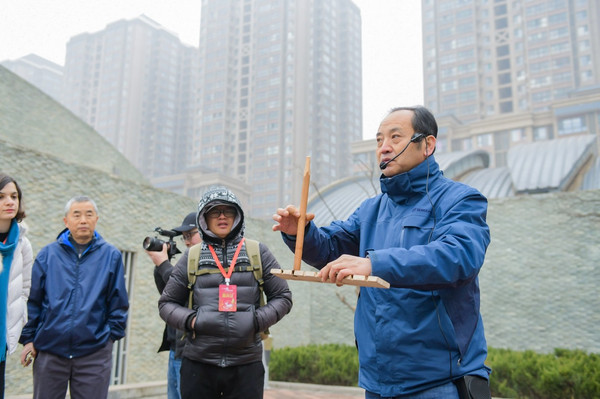
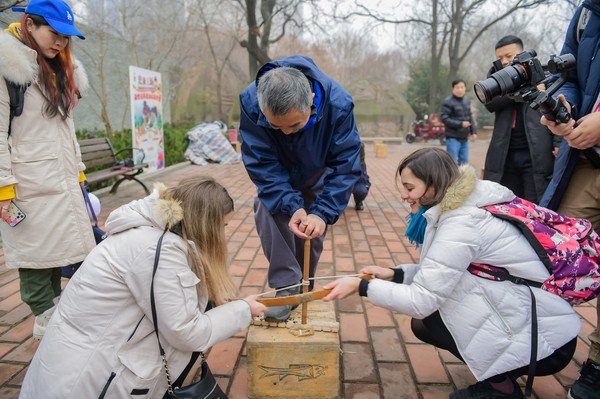
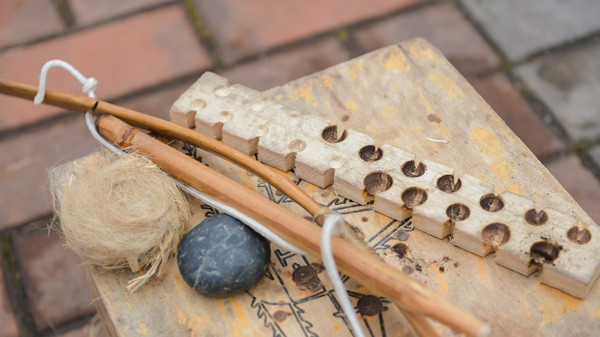
The staff gave us a live demonstration of friction fire-making. One of the biggest things separating humans from animals is our mastery of fire.
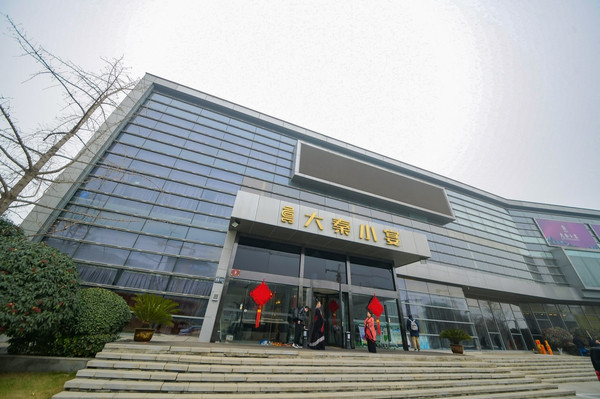
Food recommendation: Daqin Xiaoyan
Address: No. 15 Fenghuang Avenue
Hours: 10:00–21:00
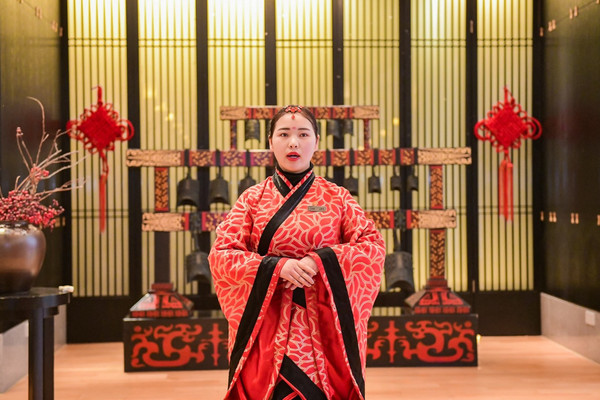
If you're visiting the Terracotta Warriors or Huaqing Pool and Mount Li, don't miss this place. It's a restaurant themed around Qin Dynasty culture, and dining here feels like a full ceremony. The servers are all dressed in Qin-era robes, and guests can try on the costumes for photos too—great fun. The food is solid, and while you eat, there's even a live performance on ancient chime bells. Dishes come out in small individual portions, much like Japanese kaiseki. Actually, Japan's dining customs trace back to China—during the Qin, everyone ate separately before the communal style took over.
The Qin bells—dress up in Qin robes and snap a photo!
**Stop Three: Emperor Qin's Terracotta Warriors Museum**
As someone from Chengdu, I've been to Xi'an more times than I can count. But on my very first visit, the Terracotta Warriors were the main event. Even after 2,000 years, you can still feel the sheer force of the First Emperor's ambition. Word has it that when these figures were first excavated, they were painted in bright colors—imagine what it must have been like to lay eyes on them then. It's just that with current excavation methods, the pigments fade almost instantly.
Getting there: Take bus You 5 (306), 914, or 915 to the Terracotta Warriors Museum stop.
Tickets: General admission 120 RMB. Free for seniors 65+, people with disabilities, active military (including armed police), military academy students, veterans of the Long March, disabled veterans, children under 16, and students.
Note: Tickets are tied to a specific ID, so book in advance and carry your ID for entry.
Hours: 08:30–18:00, ticket sales stop at 17:00 (Mar 16–Nov 15); 08:30–17:30, sales stop at 16:30 (Nov 16–Mar 15).
**Stop Four: Terracotta Warriors Workshop**
Make your own little warrior to take home.
**Stop Five: The Passion of the Qin**
After touring the three pits still under excavation and visiting the main museum, I caught a performance of the grand stage epic *The Passion of the Qin* at the Qin Grand Theatre at 5:30 PM. It was stirring in a way I hadn't expected.
Got to interact with "living" Terracotta Warriors.
**Stop Six: Huaqing Palace and the Tang Palace Lantern Festival**
Huaqing Pool is one of Xi'an's most important sights—a detached palace used by Tang emperors. It's most famous as the setting for the love story of Yang Guifei and Emperor Xuanzong. The renowned *Song of Everlasting Sorrow* performance takes place here, recreating her story.
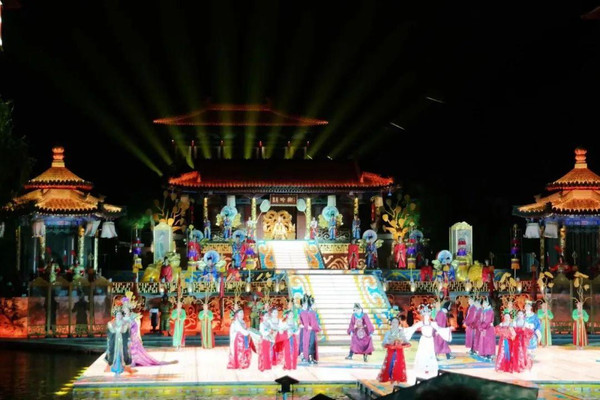
Opening ceremony scene.
The evening lights pair beautifully with Huaqing Palace's architecture.
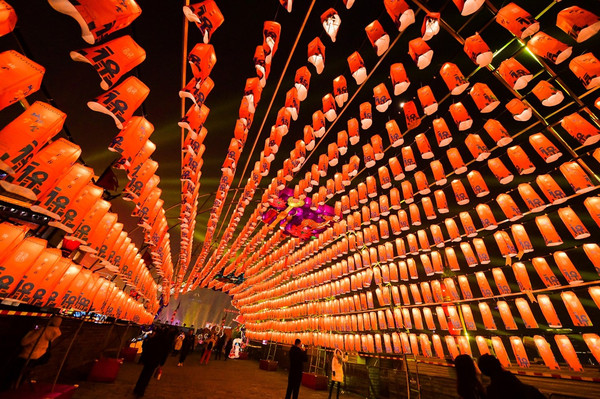
Thousands of star-shaped lanterns glitter, with a moon projection on the mountain, lights along the lake, glowing pavilions, and laser tunnel effects all combining to create a grand, panoramic vision of Tang prosperity. The giant projection on Mount Li can even display your own messages in full.
And then, turning around, there she is, in the dimming lantern light. Walking hand in hand with your loved one through this glorious Tang palace, thousands of lanterns drifting past like a dreamscape—grand, delicate, adorable all at once. With you by my side, it feels especially romantic.
Lantern viewing, riddle guessing, fireworks, dragon and lion dances—a citywide celebration that feels like it could last forever. The whole city glows, crowds fill every street, and amid millions of people and countless moments, neither a step too early nor too late, you happen to meet the one you were meant to meet.
**Stop Seven: Han City Lake**
Han City Lake sits at Xi'an's northwest corner, built around the 36-square-kilometer ruins of the Han Dynasty city wall. Here you can don Han-era clothing and soak up authentic Han culture. You can also climb high for panoramic views of Xi'an. The park offers three routes: by boat, by electric cart, or on foot.
Getting there: Take bus 717 to "Guojiacun" stop and walk 3 minutes; or take Ring Road 2 Line 1, 302, or 316 to "Fenghui Road" stop and walk 5 minutes.
Tickets: Free
Hours: 08:30–19:00.
The Grand Wind Pavilion: "A great wind rises, clouds scatter; I rule within the four seas, now I return home; where can I find brave men to guard the four corners?" That famous song, the *Song of the Great Wind*, has echoed through the ages from this very land where the Han people began.
City wall ruins.
**Stop Eight: Yongxing Fang**
If you want to sample every Shaanxi specialty in a single day, Yongxing Fang is