Sunny, Cloudy, Then Clear | A 72-Hour Slow Wander Through Old Qingdao (A Super Detailed Mix of Trendy Spots and Hidden Gems)
The Details of Qingdao
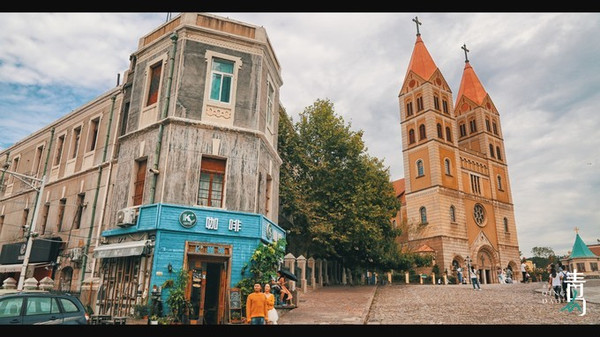
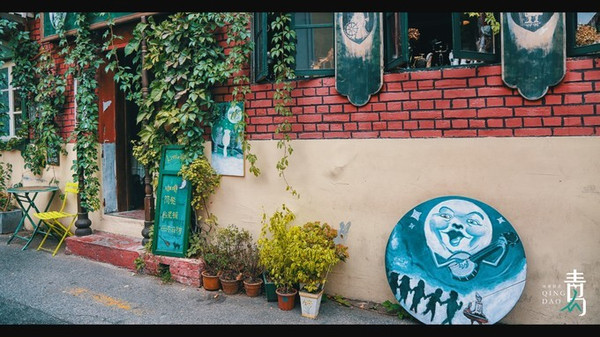
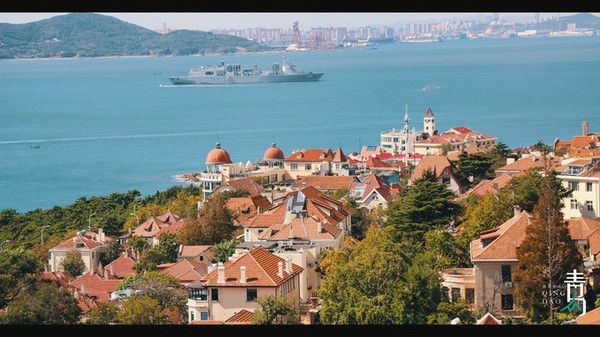
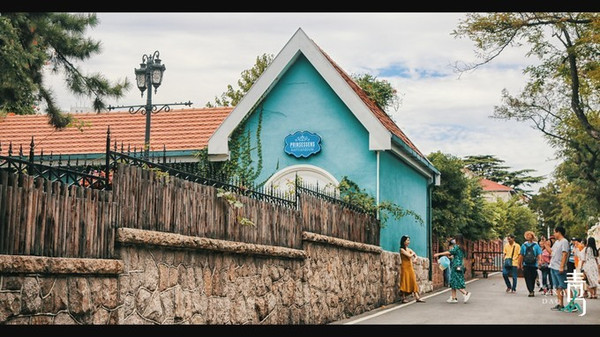
Sorry—no Laoshan Mountain, no Golden Beach, no modern May Fourth Square or Olympic Sailing Center. This trip was purely about Old Qingdao. Red-tiled roofs, blue sea, old alleys tucked behind aging homes. Over those 72 hours, the old town in the Shinan district shifted from sun to cloud, from rain back to clear. I wandered along ancient stone paths, through narrow lanes, past rows of tiny shops and old residences, chasing down an old mansion, a café, a bookstore, a celebrity’s former home. It felt like stepping back in time, like the years were humming a tune. Qingdao’s old stories drifted on the wind, mingling with the music in my earphones—the chaos of market streets, the distant horn of a ship by the shore, church bells from a plaza, leaves rustling on a hillside lane, rain tapping softly on rooftops. All of it came together as the city’s most moving melody.
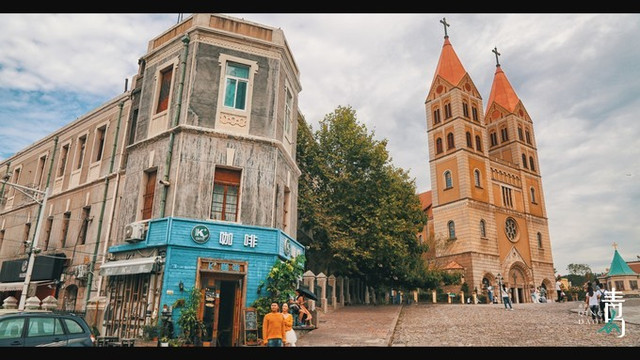
From Yushan Road to Daxue Road, from the Governor’s Residence to Badaguan. I strolled through deep, narrow lanes and waded through crowded beachside crowds. Watched people come and go in front of the Catholic Cathedral on Zhejiang Road, quietly read a book in the attic of the Qingdao Bookstore. Explored the old stories at Lao She’s former home on Huangxian Road, and traced the marks of time at the old post office on Guangxi Road.
Sunny, cloudy, then clear again. When light clouds brought rain, I walked across the pier by the sea. At dusk, I lost myself in the deep blue of Taiping Cape. At noon, under a blazing sun, I climbed over the giant rocks in Lu Xun Park. In the early morning drizzle, I moved through the weathered buildings of Ocean University. I filled my belly at a bustling food street with a steaming seafood feast, then sipped a slightly hazy draft beer at the No. 1 Qingdao Brewery in the afternoon.
Standing on Xiaoyu Hill or the top of Signal Hill, on clear days I looked out at the endless blue sea and sky. When clouds rolled in, I took in the quiet, elegant rooftops scattered across the lower slopes.
First Impressions of the Old Town
Qingdao is a coastal city built against mountains, known for its beauty. But it’s also steeped in history, full of exotic charm and a quiet artistic spirit. Coming from Chongqing, another mountain city, I felt a strange familiarity in Qingdao’s old town. It’s the same steep, uneven slopes, the same haphazard yet harmonious streets and houses, the same disregard for compass directions—only “up” and “down” mattered. The difference is that Chongqing has this raw, freewheeling energy, the unpolished boldness of Sichuan folk. Its streets reek of spicy food and port culture, a people’s optimism baked into daily life. Qingdao, though, carries a European elegance wrapped in a century of change. The slopes are lined with dense plane trees and cedars, the streets packed with old houses that could keep telling stories for ages. No compass points here—just lively market streets full of old Qingdao memories. Climb the winding paths and stairways, and at some unexpected turn, you’ll stumble on a quiet café or a tucked-away shop.
There are a thousand ways to experience Qingdao, but the old town is not one you can skip.
We came on a recommendation. My friend and I were first-time travelers heading to the sea, with no clue what to pack, how to plan a route, or where to catch a boat. To keep things simple, we went with a local guide friend suggested—Xiao Chen, who arranged everything for us: a fancy sea-view hotel, tickets, transport, meals, a guide—the full package. We hit all the must-sees around the city—the pier, Laoshan, Weihai, Penglai—and even took a yacht out to fish and feast on seafood. It was a blast, well-organized, no rush, no pushing. My friend and I were both happy.
For me, the old town was something I’d been hesitant to touch. It held my most idealistic visions of the sea, of art, of life at its brightest. I felt that reality could never match what I’d built up in my head, and visiting would break that spell. That distant, imagined version of Old Qingdao carried too many expectations.
But finally, I came this autumn. Unlike my fantasy—a blazing summer day, a wild night with friends, beer flowing—my first trip to Qingdao was given over to fall. The weather swung between sun and cloud, and the sea played second fiddle. The old town became my main theme. I skipped the so-called must-sees, and alone, let myself get drunk on it. No beer needed.
The Most Detailed, Unconventional Route Through the Old Town
I suspect there are others like me, wanting a different kind of slow journey through Old Qingdao. No grand, packed itinerary. No rush to climb Laoshan or sail out to sea. Even no fixed plan at all. It’s about mood, about your own rhythm. Just the sea and the old town—that’s Qingdao in its rawest, most storied form. You ease yourself into the city, wander like a local, walk through history you already know, or stumble onto a surprise shop you never planned for.
Arriving in the old town, you might feel like I did—overwhelmed by the winding streets and scattered sights. Where do you start? Which direction should you go? Don’t worry. Follow my notes, and I’ll bring out the best old buildings and scenery in Old Qingdao—all of it! There are the trendy spots you can’t skip, and the hidden gems few know about. Most of it connects on foot, and every route between them is just as full of stories and charm. Find the old buildings and tales you love most, walk along the hillside streets or the coastal paths, and discover the most beautiful encounter that’s yours alone with Qingdao.
The old town is small but endlessly rich. Around Shinan alone, there are dozens of spots that’ll make your trip worthwhile. Little artsy corners, the seaside, low walls, high hills. Climb slopes, catch the tide, down a Tsingtao, listen to rain, pet cats, sip coffee. One person, three days, seventy-two hours. Let the finest details and stories of Old Qingdao unfold for you now.
Red tiles, green trees, blue sea, bright sky. On clear days, the old town’s autumn leaves drift down. When clouds roll in and rain threatens, the hillside lanes turn quiet and poetic. Alright, folks. This time, join me, Yibei, to experience this century-old, mountain-and-sea city.
Changzhou Road and the German Prison
13:03, sunny. Who would’ve thought my Qingdao trip would start in a prison? I rode the train to the People’s Hall, then walked along Taiping Road, already hearing the sea crash nearby. The ocean was just left of me, hidden behind a low row of houses. I couldn’t see the blue, but I could almost hear its color.
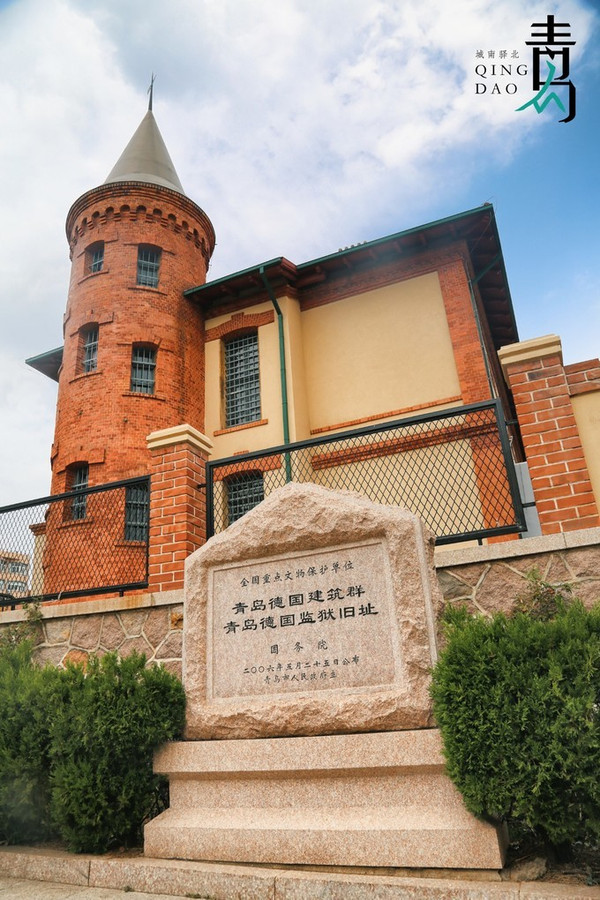
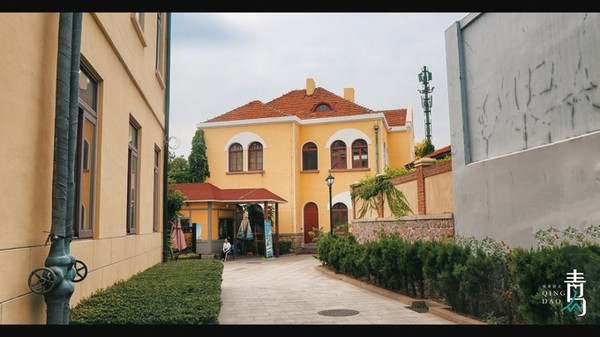
Not long after, I turned right onto a narrow road—Changzhou Road—where a two-story yellow building came into view. Ivy crawled up its corners, tucked behind a waist-high wall. Continuing on, I reached a gate. Passing through that age-old entrance felt like stepping through a slab of history. The old German prison, exquisite and weathered, appeared against the blue sky and green vines.
The German prison at 25 Changzhou Road, built in 1900, is the only castle-style prison in modern Chinese history. Through Qingdao’s long colonial and urban development, it witnessed segregation and then its end. Admission: 25 yuan during peak season, about an hour recommended.
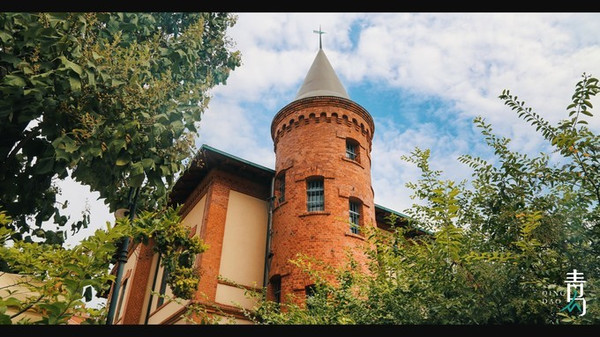
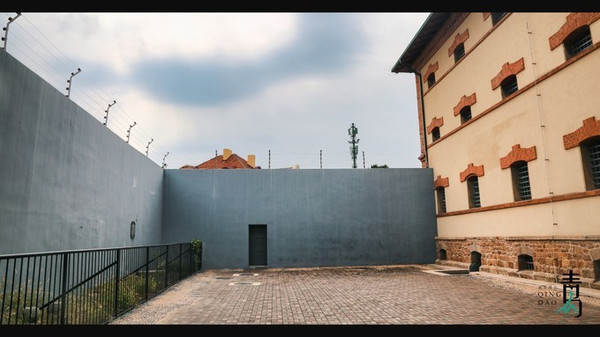
That afternoon, the moment I stepped inside, the old “Ren” cell block caught my eye. The beautiful castle-like building—red brick walls, tall towers, set against a blue sky and green trees—was lovely. As a classic 19th-century German castle design, even German experts marveled that you’d be hard-pressed to see one like it back home. But beneath that pretty exterior, the interior was dark and grim.
Beyond the “Ren” block, there were kitchens, baths, stables, the “Yi” block, a well, watchtowers, and prison workshops. A fully preserved prison like this is rare anywhere.
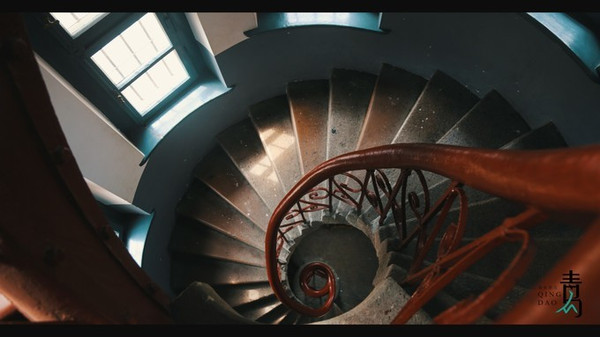
The spiral staircase in the tower was stunning. Sunlight filtered through windows onto the steps. Few visitors came that day. I climbed up, walked through each floor’s corridors, often alone or with just a couple of others. It felt surreal, like drifting through another era. Though honestly, at times, a chill ran through me.
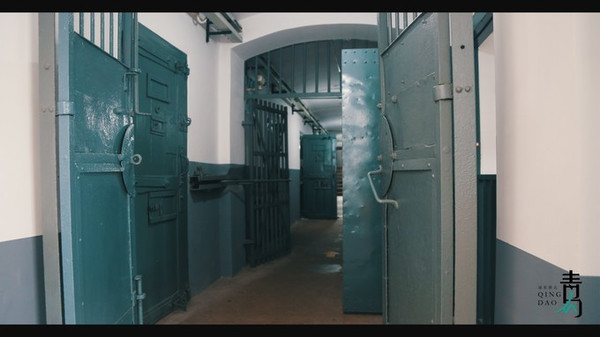
Inside, beyond the dim halls and thick iron doors, were rows of cramped, sealed cells. They radiated despair and suffocation. Even now, with the doors thrown open, that air hasn’t fully cleared. Hard to imagine the agony of prisoners locked away, stripped of freedom.
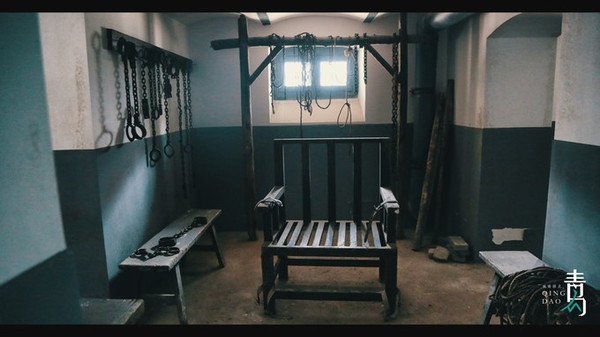
The torture room was bleak too. There was a water dungeon—a person suspended, feet submerged, left to