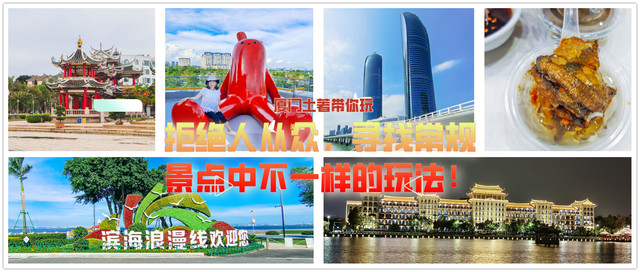
Xiamen Local’s Guide: Skip the Crowds and Find Fresh Ways to Hit the Usual Spots
As someone born and raised in Xiamen, I’m always getting asked the same thing: Is Xiamen actually worth visiting? How should you do it? How do you hit the iconic sights without getting swallowed by the tourist swarm? A hundred people might have a hundred different itineraries, and maybe a hundred and one ways to eat your way through the city. There’s no single “right” way. But if you’ve got the time, my honest advice is this: skip the so-called influencer hotspots and go wander the alleys of this island city instead. Feel what everyday life here is really like.
Summer is peak season for Xiamen travel, and most visitors come for the sea—checking off Gulangyu, Zengcuoan, Shapowei, and other viral spots along the way. This guide is about going beyond those must-see places and finding some local angles. Give yourself three to five days and try a trip that feels a little different.
A Few Notes Before You Go
1. Getting around: Xiamen has its own airport, and it’s right inside the city—probably the closest major airport to downtown in the whole country. You’ve got BRT, buses, and airport shuttles. There are two train stations: Xiamen Station on the island and Xiamen North Station outside it. The north station has BRT and metro links, so you can reach the island in about half an hour. The city itself is small, and public transport is solid. Buses start at 1 yuan, the metro at 2 yuan, and both take mobile payments. I’d suggest not driving to the scenic areas—parking is a nightmare.
2. Weather: Xiamen sits right on the coast, and typhoons can roll through between June and September, so check the forecast before you book. It runs hot, too. Personally, I think the best time to visit is October through December. If you come in summer, bring serious sunscreen.
3. About Gulangyu: A lot of people have their hearts set on Gulangyu the moment they land. But if you’re short on time—like, you’ve only got a day or even half a day—skip it. Gulangyu is a place that rewards slow wandering. Stay a night or two, drift through the lanes, and take in the old architecture. That’s where its soul lives. And you’ll need to reserve ferry tickets on the official website ahead of time.
4. Hotels: Xiamen’s seen a wave of new high-end hotel brands over the past couple of years, and there are plenty of established hotels and guesthouses on the island too. But personally, I lean toward the newer resort-style places along the eastern coast outside the island—more comfortable, more laid-back, and better value. The Renaissance on the coastal romance strip is a solid pick.
Suggested Itinerary
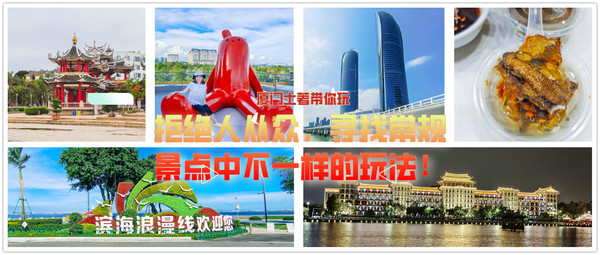
Like I said, this guide is about finding fresh angles on familiar spots. This time, I joined the Woyouxing cheer squad as a local expert—basically, the most in-the-know “Minnan Fun Officer” you’ll find. We’ll head to Eighth Market, the place that best captures local life, to track down food hidden in the alleys. We’ll hit up trendy Shapowei and duck into a quirky “lazy space.” We’ll drive along the most beautiful marathon route, the ring road, where the coastal views are straight-up stunning. We’ll stroll through Jimei School Village, a local favorite, and soak up the legacy of Tan Kah Kee—sunset at Dragon Boat Pool is the real showstopper. And we’ll wrap up at the new eastern coastal romance line, with its endless sea views and a mall that’s practically made for Instagram.
Day 1: Arrive → Head to Eighth Market and Zhongshan Road, where the old-school food scene comes alive.
Day 2: Wander Shapowei, hit the Yanwu Bridge viewing platform, and drive the marathon route.
Day 3: Take a slow walk through Jimei School Village and feel the calm of Tan Kah Kee’s legacy.
Day 4: Hit the new eastern coastal romance line, play on the beach, and check out the photogenic mall.
Eighth Market: Think It’s Just About the Stalls? The Hidden Alleys Are the Real Gold
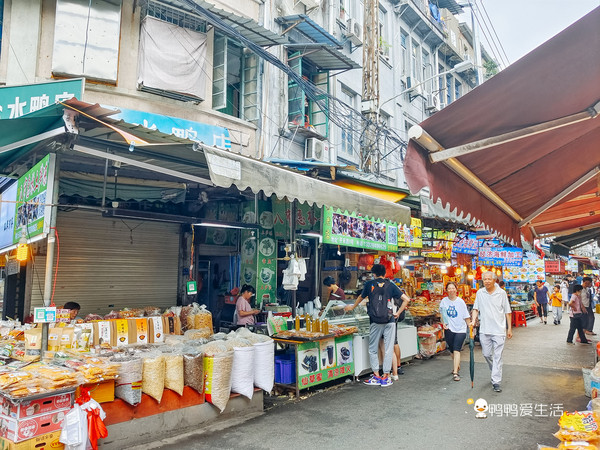
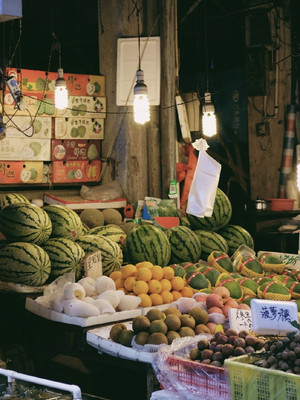
Eighth Market has become a bona fide influencer hotspot in Xiamen tourism. It started out as a place where locals bought groceries and seafood, but its down-to-earth vibe and stash of authentic snacks have made it a favorite with visitors.
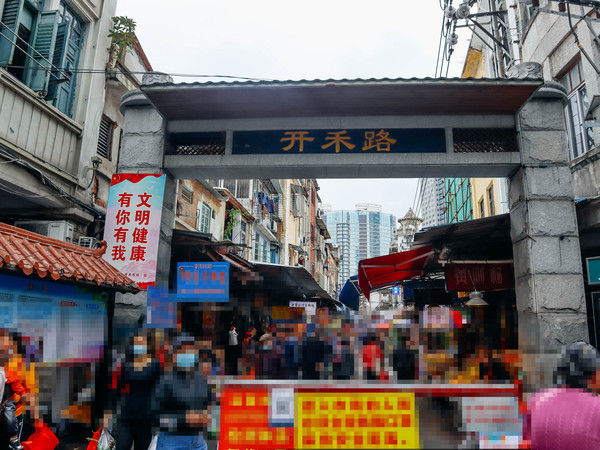
There are several entrances. I’d recommend coming in from the Kaihe Road BRT stop, weaving through the whole market with the crowd, and then exiting onto Kaiyuan Road before turning onto Dayuan Road.
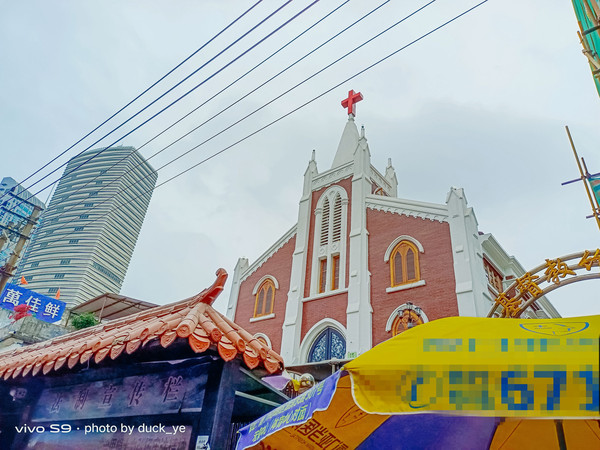
Most churches sit in quiet spots, right? Well, here’s the twist: tucked inside this noisy, bustling market is a century-old church. About ten meters from the Kaihe Road entrance, you’ll spot it—Zhushutang Church. It was first built in 1849, opened for worship the following year, and has been around for over 170 years now. That’s older than the market itself. Zhushutang is one of China’s most historic churches, and the current building is the third incarnation, restored in 1935 in a style close to Gothic. But here’s the clever bit: the structure blends Western techniques with local Minnan architecture. Instead of the traditional pointed-arch buttresses, the roof uses wooden triangular trusses. In the narrow lanes of Eighth Market, you have to crane your neck to really see it.
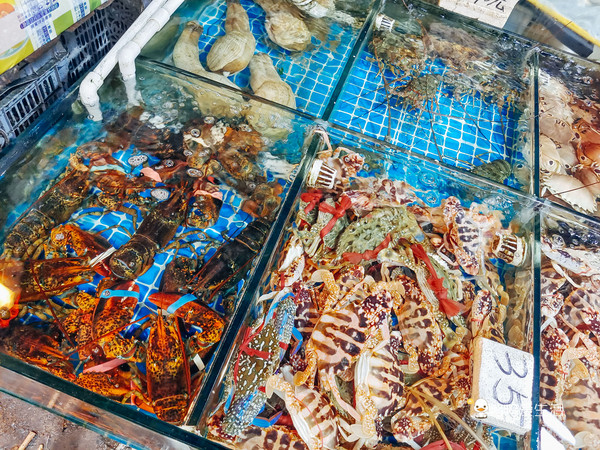
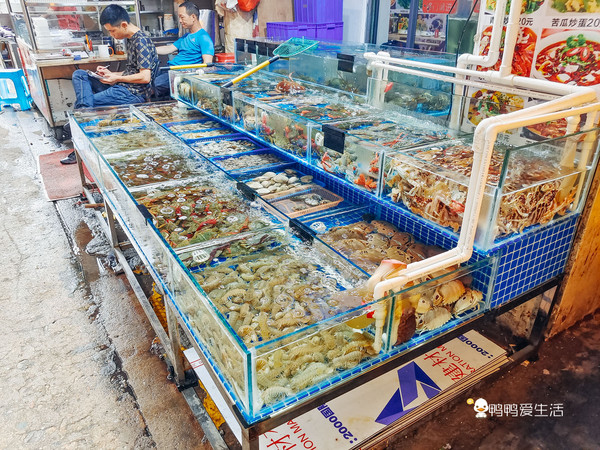
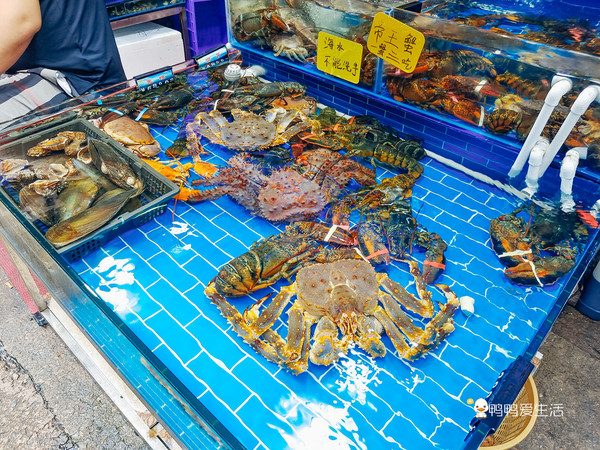
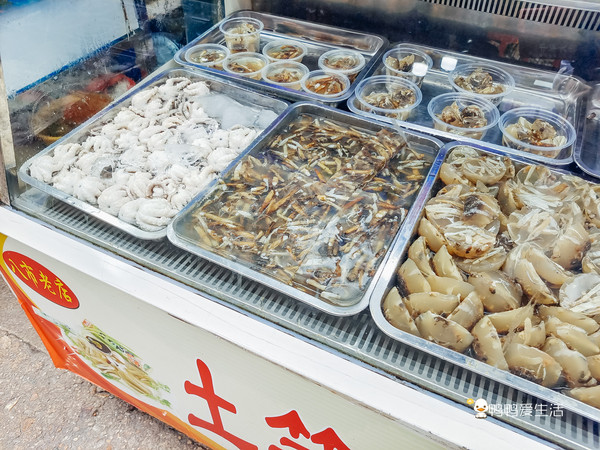
No matter when you show up, Eighth Market is always buzzing. Sure, there are more tourists these days, but it’s still the city’s favorite seafood depot. Sitting near the No. 1 ferry terminal, this market has long been Xiamen’s go-to for ocean fare. If you want seafood, this is where you come—and it’s the freshest you’ll find, often hauled straight from the water and laid out on the ground. Big catches from commercial trawlers, small shrimp from local skiffs—whatever’s in season, you’ll track it down here. King crab, lobster, tiny fish, you name it.
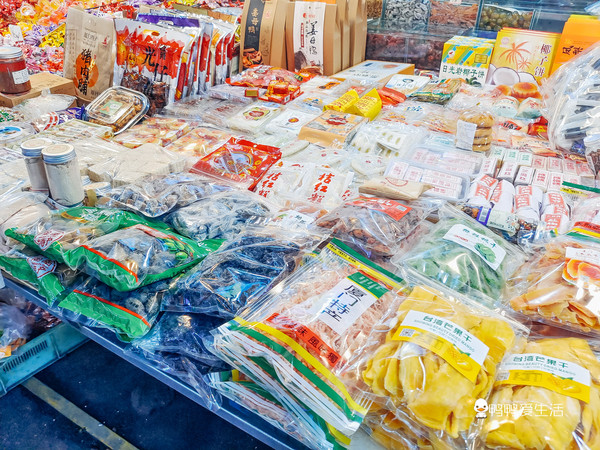
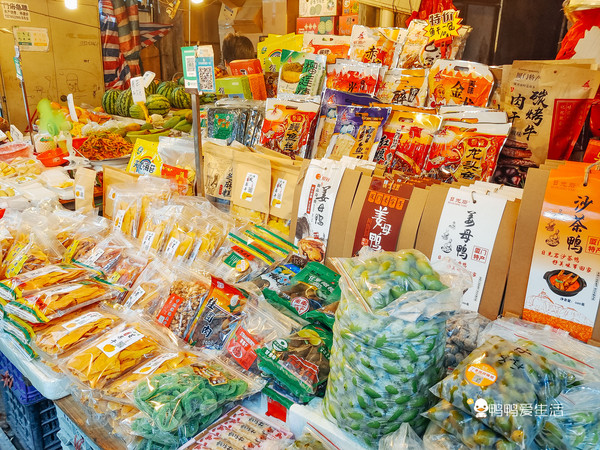
Feeling peckish for snacks? Old-school treats like orange-red cakes, peanut crackers, persimmon cakes, peanut brittle, and preserved fruits are all here. Two or three yuan buys a big bag. Grab some, head home, brew a pot of tea—that’s the good life.
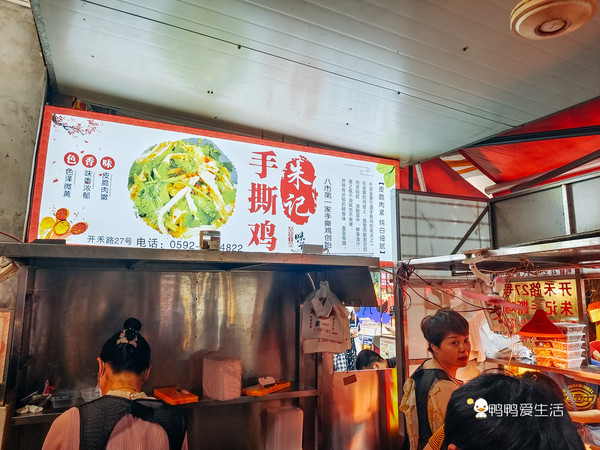
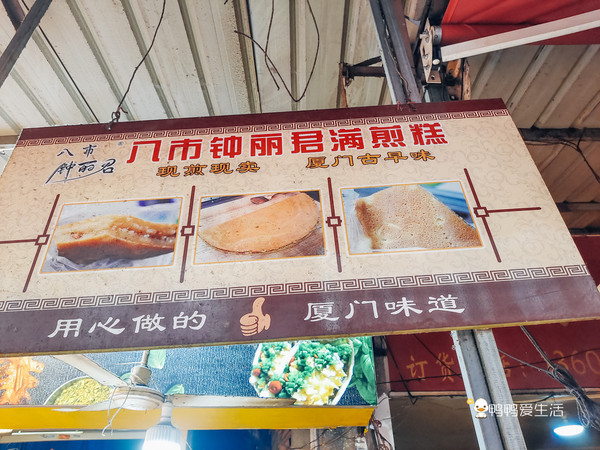
Eighth Market is also packed with food stalls that have real pedigree. A-Jie Wuxiang (five-spice rolls) got a visit from Nicholas Tse, and there’s Zhu’s Hand-Torn Chicken, Zhong Lijun’s Pan-Fried Cake, and more. None of it’s fancy, but it’s the food Xiamen people actually crave. You buy your groceries, pick up some snacks on the way out, and boom—that’s a full meal. Most of these shops have been around for two or three decades, and while the internet has drawn in more tourists, they’ve mostly kept their standards high.
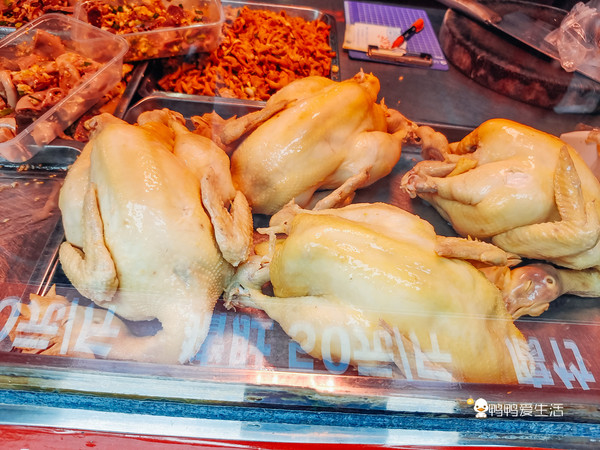
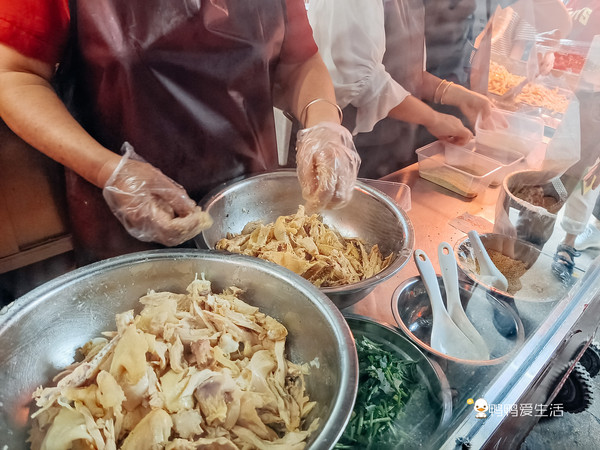
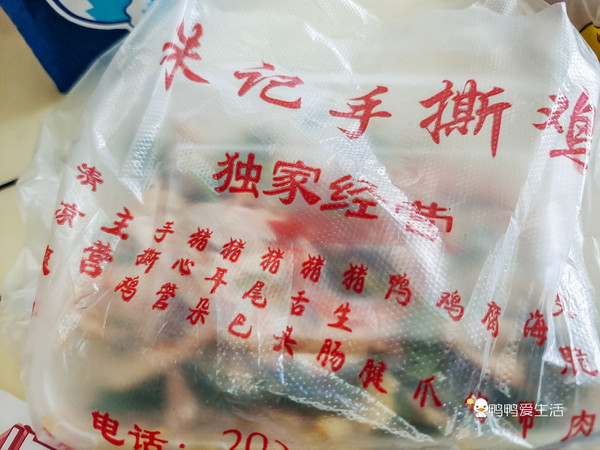
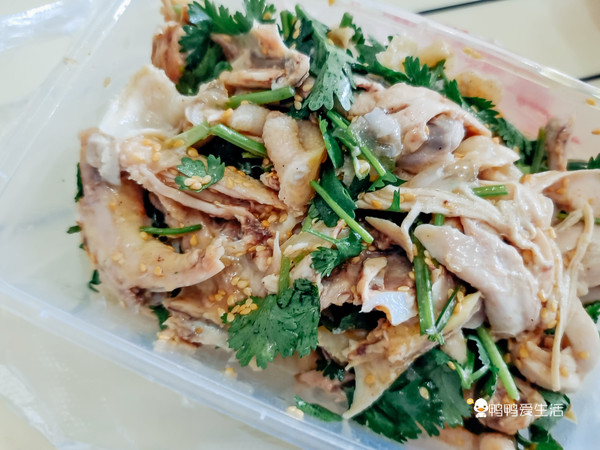
Zhu’s Hand-Torn Chicken is probably the first shop of its kind in Xiamen. The owner trained in Shanghai and brought the real deal back to the city over a decade ago. The skin has a great bite, the meat stays tender, and their house seasoning is addictive—you won’t be able to stop. Beyond winning over customers, it’s built a solid reputation over the years. Regulars come daily, and new faces and tourists keep rolling in. It’s one of the busiest spots around. You order by weight, they shred it fresh on the spot. Grab half a bird to take back to your hotel, and it’s the perfect drinking snack.
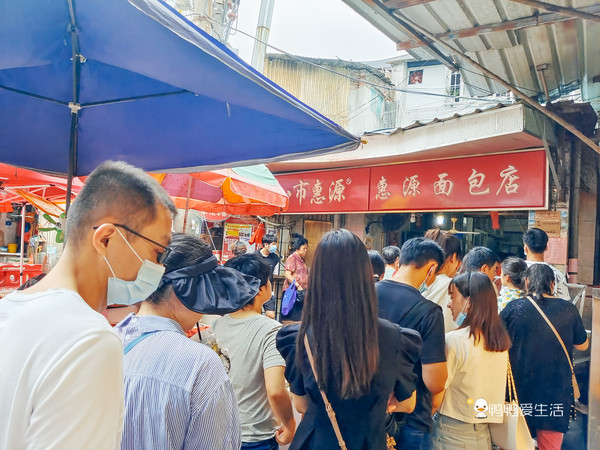
Huiyuan Bakery, a fixture in Eighth Market for over 25 years, holds a special place in countless Xiamen memories. Back when I was a kid, there was no Anderson’s or Xiangyangfang, and none of those flashy desserts. A fried bread roll was the ultimate treat. They keep prices low and skip the fancy packaging—it’s all about the taste. The line out front says it all.
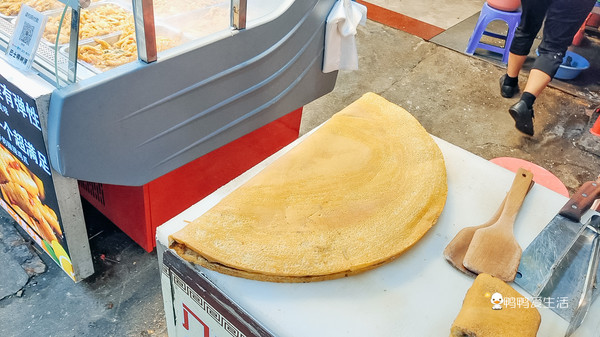
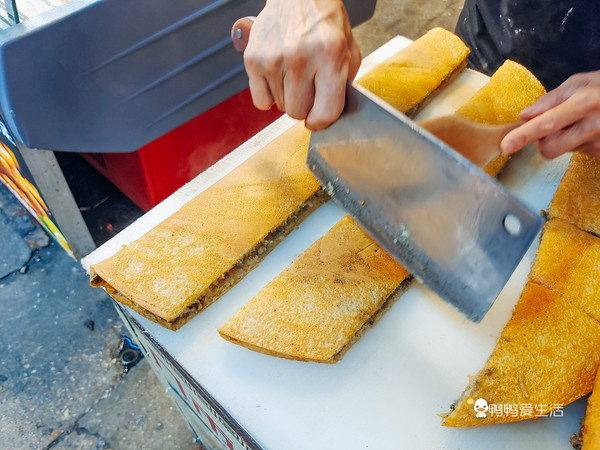
Zhong Lijun’s Pan-Fried Cake is another snack locals grew up on. You can watch the aunties pour batter into the pan, sprinkle sesame seeds, and in about five minutes, a steaming batch comes out. It’s 10 yuan for a big box of four—sweet, soft, and chewy. Though if you’re not big on sweets, one piece is probably enough.
When you exit Eighth Market onto Kaiyuan Road, you’ll see a weathered old building. It’s a bit battered, with a utility pole right in front and peeling paint on the sign—that’s Jizhi Department Store. Come or don’t, it stands there like an old sage, unbothered, watching the world go by.
It’s five floors, blending a bookstore, a sundry shop, a tea room, a pastry shop, and a café. The whole place is steeped in old Xiamen nostalgia. Floral tiles, a signature of old Xiamen, show up everywhere—as coasters, packaging