Keeping a Spring Appointment
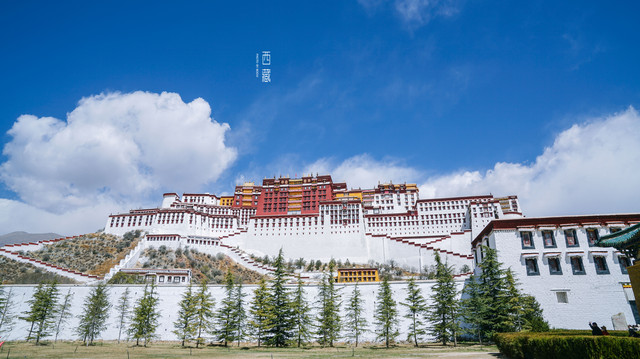
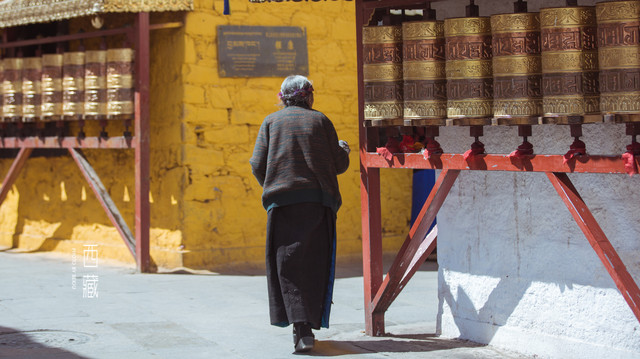
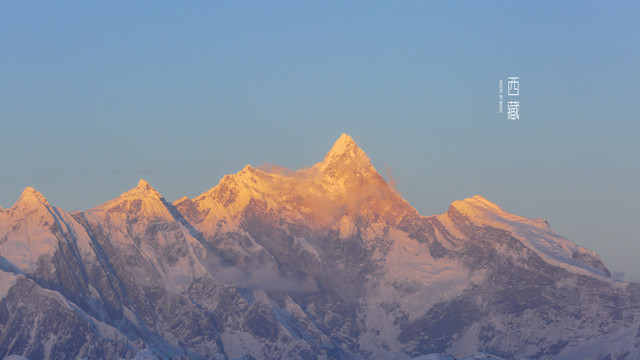
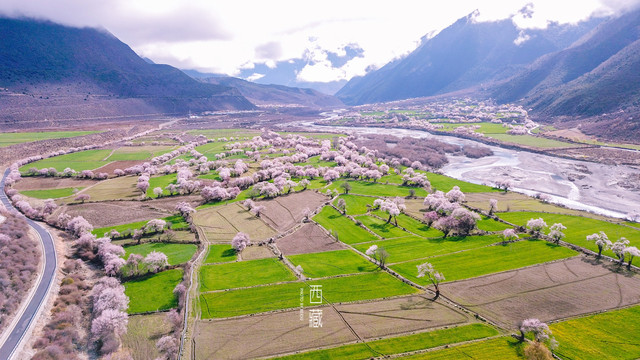
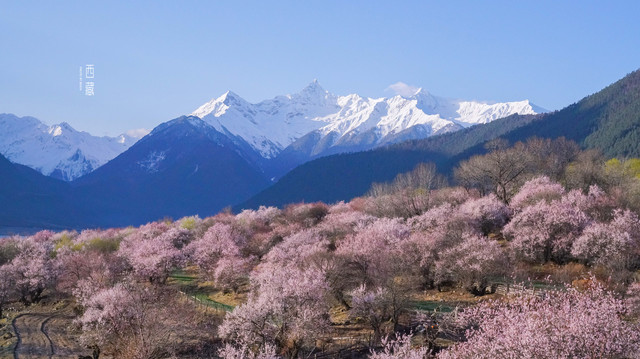
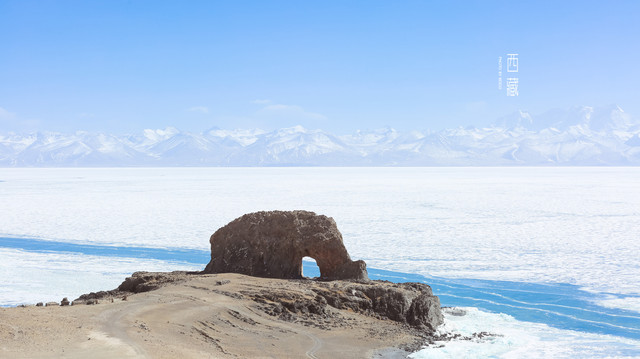
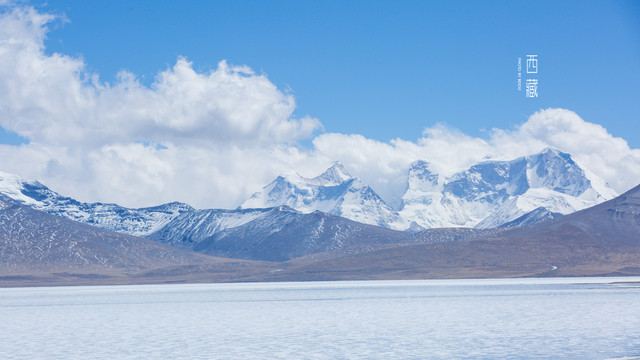
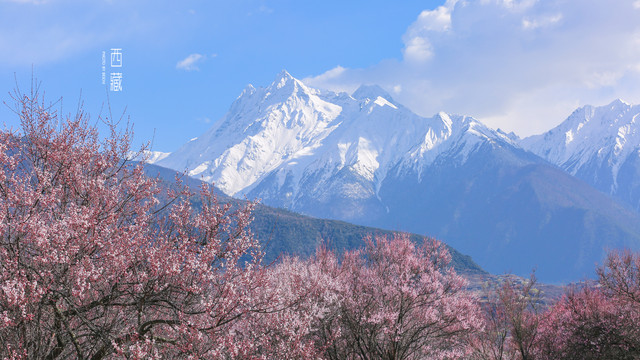
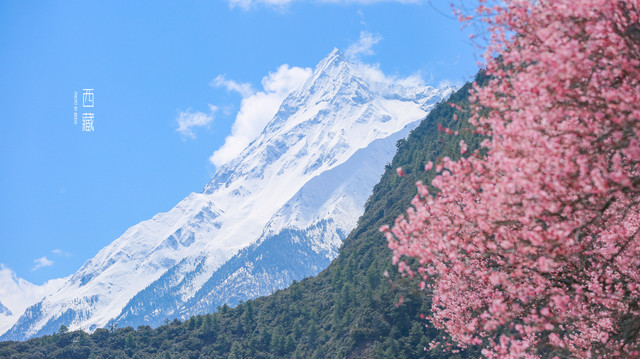
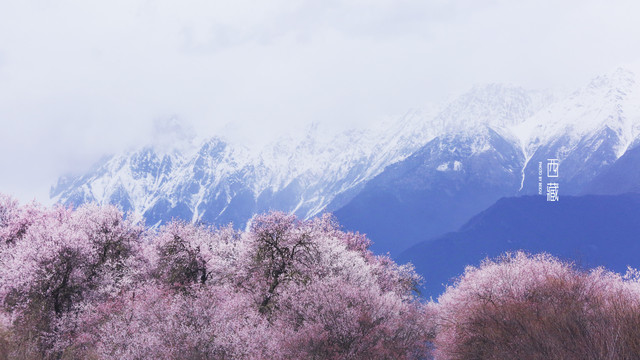
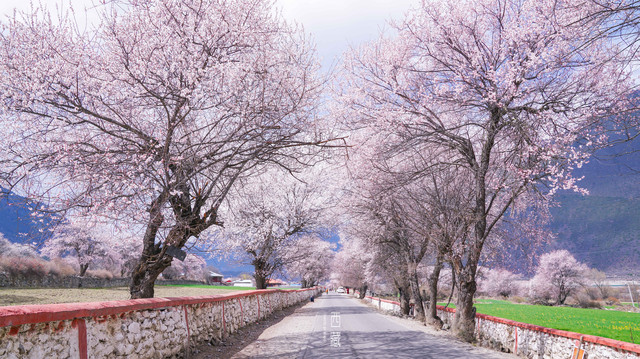
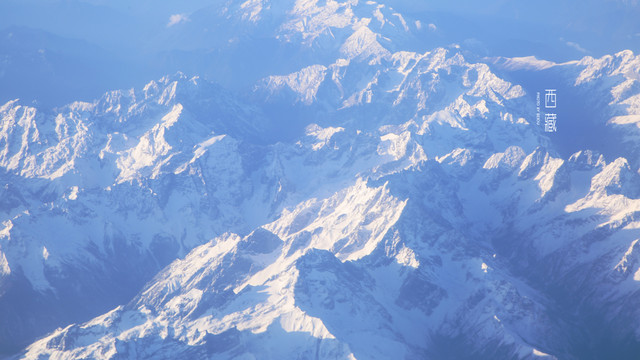
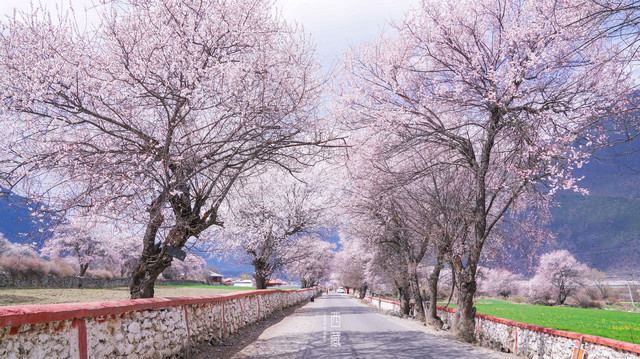
In March, go to Tibet to see the peach blossoms; in April, go to Japan to see the cherry blossoms. It was as if I had already begun to look forward to the spring that had not yet arrived. That's what I wrote in my notes before going to Tibet, my heart full of joy. Tibet was a place I had wanted to visit since I was young, somewhere I had promised my deskmate we would go together. Seven years later, I finally made it, though for various reasons I didn't end up traveling with my deskmate.-----------------------------------------------------------------------------------------------------------The every-two-years trip started with Daocheng: Daocheng in 2014, Xinjiang in 2016, Tibet in 2018. I feel so lucky that wherever I wanted to go, you all came along without a second thought.01 Every Moment Frozen in the Lens【Trailer】The frozen Puma Yumco, the secret-realm-like Sacred Elephant Gate, peach blossoms in full bloom across the mountains, and you all—bickering and roasting each other for 13 days straight. We got lost, we argued, we got angry, we got homesick, we ate a 138-yuan steamed egg, and we wrapped ourselves in down jackets, shivering while waiting to see the golden sunrise on the mountains. Even though the whole trip had its ups and downs, I still miss those moments watching the scenery together. The most majestic sacred palace on the snowy plateau. The prayer wheel corridor outside Barkhor Street. One glance at Yamdrok Lake and you're captivated by that shade of blue. Crossing mountains and valleys just for you, Sacred Elephant Gate. Golden sunrise on the mountains---Namcha Barwa. A peach blossom paradise from the air. Stumbling into a corridor of peach blossoms, the most beautiful April in this world. Breaking into a hidden peach blossom realm. The scenery along the way always catches you off guard and makes you gasp.02【Highly Recommended】Those Lesser-Known Spots and Flower-Viewing Places You Can't Miss1. Sacred Elephant Gate: Five stars. Crossing mountains and valleys just to get here. Even when we got lost, even when the road was long, we still made it to this secret-realm-like sacred place.2. Puma Yumco: Five stars. In March, Puma Yumco is frozen. Under a deep blue sky, the frozen lake surface, at over 5,000 meters above sea level, is so pure.3. Recommended peach blossom viewing spots:**Suosong Village, rating: Four stars. A small village beneath Namcha Barwa, where peach blossoms bloom under the mountain. It's inside the Yarlung Tsangpo Grand Canyon scenic area, so you need to buy a ticket to enter, and you can drive in. The reason I gave it four stars instead of five is that accommodation is scarce and expensive. The peach blossoms bloom later here. After staying there for two days, I actually preferred Tunbai Village below Suosong Village.**Tunbai Village, rating: Five stars. You pass through Tunbai Village on the way to Suosong Village. Fewer people, beautiful scenery—this is a shooting location I strongly recommend.**Bomi Peach Blossom Gully, rating: Five stars. From the gully entrance, to Qingduo, to Yuxu Township, this entire road is great for flower viewing.**Qingduo Town, rating: Five stars. There's a peach blossom corridor road. Whether you drive through or stroll along slowly, you feel like you're in a fairyland.**Bomi Gangmei Village, rating: Five stars. An unexpected find on this trip, not on the itinerary—we stumbled upon it by accident. It's a quiet little village. If you keep going further in, you'll reach Gang Township's Nyingchi spruce forest.03 The Long-Awaited Tibet Trip Starts with Altitude Sickness【day1&2】Before setting off, I kept going back and forth on the route. Since it was mid-to-late March, the peach blossoms weren't in full bloom yet, and because I had another trip scheduled after this one, we could only go to Tibet a few days early. That meant we had to go to higher-altitude places first, then wait a few more days to see the peach blossoms. A small piece of advice here: if you have enough time and the timing works out, definitely start from Nyingchi. The altitude there is lower, the vegetation is lush, and you're less likely to get altitude sickness. As for altitude sickness—I've been to plenty of places higher than Lhasa, and I never expected to get it in Lhasa of all places. But the fact that I recovered so quickly makes me think it probably wasn't altitude sickness at all, but rather the lack of rest the night before an early morning flight. This long-awaited Tibet trip—for the peach blossoms, for the scenery—my friends and I had been planning it for ages, changing the route over and over again. We planned to go to the 40 Glacier, but it seemed the road was closed, so we gave up. We planned to go to Sacred Elephant Gate, but couldn't find a driver who had been there before. We looked up all kinds of car rental info. In short, this trip was full of difficulties from the very beginning. The endless snow-capped mountains I saw from the plane—I knew that the place I'd wanted to visit since high school, I had finally made it. My friends and I flew to Lhasa from different places, but our flights landed around the same time. After waiting a bit, I finally saw friends I hadn't seen in two years. We gave each other warm hugs and bounced out of the airport. (This is a bad example—definitely don't get too excited.) The drive from the airport to downtown Lhasa takes about forty minutes. The three of us called a ride-hailing car, which was actually a little cheaper than the airport bus. After dropping our bags at the hotel, we went out to eat. We found a firewood chicken restaurant, but the more we ate, the sleepier we got, and then the headaches started, so we had to go back to the hotel and rest. I'm really grateful that my friends, even with headaches themselves, went out to buy me medicine. After throwing up and taking altitude sickness pills, I was instantly full of energy. For the rest of the trip, whether at 4,000 or 5,000 meters, I never felt like I was at high altitude at all. The next day, I slept until I woke up naturally. My friends still couldn't adjust to the altitude, but they toughed it out and we went to Barkhor Street. How could you come to Lhasa and miss this place? We got around downtown Lhasa by taxi, and most rides were just the base fare. The sun in Lhasa is scorching—make sure you wear sunscreen. March temperatures aren't very high. During the day in the sun, a knit cardigan is enough, but once the sun goes down, you need a thicker jacket. Barkhor Street is the most ethnically rich street in Lhasa. The shops lining both sides are mostly handicraft and souvenir stores. You're supposed to walk Barkhor Street clockwise. If you can't tell which way that is, just follow the flow of people. The street is bustling. Devout pilgrims walk clockwise along the street, prostrating themselves full-length, covered in dust, their pants worn through who knows how many pairs, calluses built up on their foreheads, yet still circling round after round, recording their faith. Elderly people with prayer wheels sit at shop entrances, and I can't help but think—quiet, uncompetitive, calm and at ease. On Barkhor Street, there's a row of prayer wheel corridors. We also spun them three times, just to experience a bit of the local culture. First time seeing someone walk that many dogs at once, all in a row—so cute. There are also Tibetan costume experience shops here. Before the trip, I'd planned to try one. At the time, that seemed to be the only one on the whole street, but because of renovations, the shop was a mess inside, so we gave up. Makye Ame is also a can't-miss spot on this street. Legend has it that Tsangyang Gyatso met "Makye Ame" here, and many tourists come specifically for it. The entrance is always crowded with visitors. Getting a photo of the building without any people in it is next to impossible. After waiting about ten minutes, I just snapped a quick "been here" photo and left. "First there was Jokhang Temple, then there was Lhasa." The Jokhang Temple is no less sacred than the Potala Palace. Another worthwhile stop on Barkhor Street is the Jokhang Temple. The entrance is full of worshippers, hands pressed together, standing and prostrating, doing full-length bows, repeating the motion over and over—men and women, young and old, all incredibly devout. Because of the Winter Tibet promotion, the Jokhang Temple was free to enter, but when we went that day, it seemed they were closing at 2 PM, so we couldn't get in. Over the next two days, whether because we weren't feeling well or didn't have enough time, we kept missing the chance to go inside. That became one of the regrets of this trip. But