A remarkably preserved Ming Dynasty walled city where cobblestone streets, traditional courtyard homes, and ancient merchant banks offer an authentic glimpse into China's imperial past.
A perfectly preserved Ming Dynasty city where time stands still
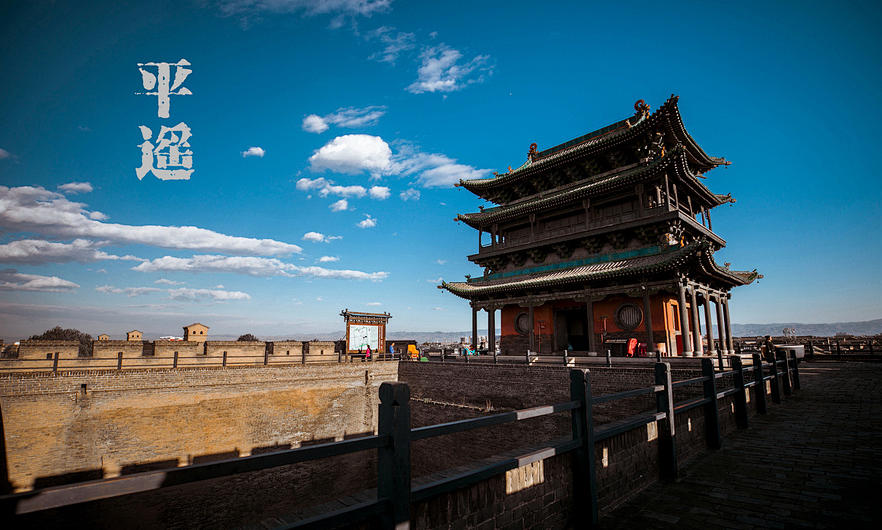
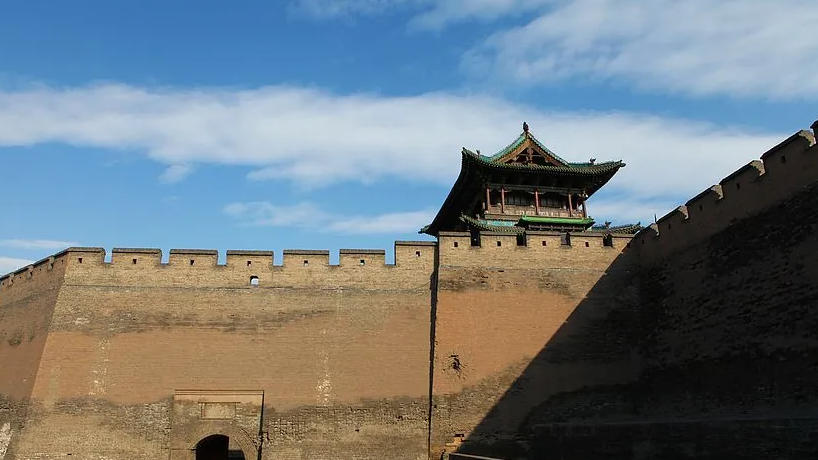
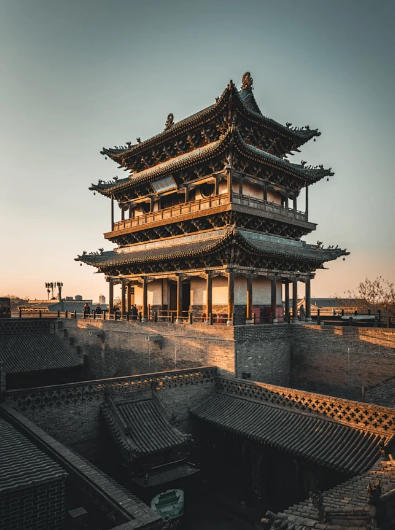
Pingyao is one of China's most perfectly preserved ancient cities, a living museum where the streets, shops, and city walls have remained largely unchanged since the Ming and Qing dynasties. For over 600 years, this walled city thrived as China's financial center — the birthplace of modern Chinese banking — where merchant families built fortunes that shaped the nation's economy. The city walls, stretching 6 kilometers with 72 watchtowers, encircle a maze of cobblestone lanes lined with traditional courtyard homes, red lanterns, and storefronts that have operated for generations.
Unlike reconstructed tourist towns, Pingyao feels authentically lived-in. Families still occupy the same courtyards their ancestors built, elderly residents gather in square doorways to chat, and the smell of Shanxi vinegar and handmade noodles wafts from tiny kitchens. The Rishengchang Exchange Shop — China's first bank — stands as a testament to the city's commercial ingenuity, with original accounting books and silver vaults on display. At night, the ancient streets glow amber under traditional lanterns, creating an atmosphere that feels lifted from a historical drama.
What makes Pingyao exceptional is its stillness. In a country racing toward modernization, this city offers a rare pause — a place to wander slowly, stay in a converted merchant's residence, and experience a pace of life that feels centuries removed from China's buzzing metropolises. Whether you're cycling atop the ancient walls at sunset, sampling the region's renowned noodles, or simply sitting in a courtyard listening to the wind, Pingyao delivers an immersion into old China that few places can still offer.
From ancient city walls to China's first bank, explore a living museum of merchant heritage
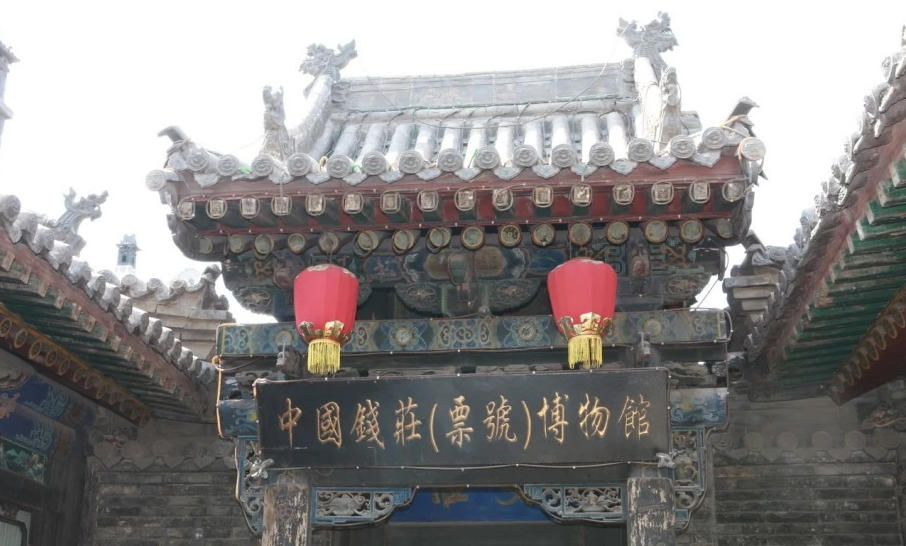
China's first draft bank (piaohao), founded in 1823, which pioneered the system of bank drafts that transformed Chinese commerce. This small building in Pingyao...
Learn More →
One of China's best-preserved ancient city walls, built in the 14th century with a circumference of 6.4 kilometers. Walk the full circuit for panoramic views of...
Learn More →
A UNESCO World Heritage Site and one of China's best-preserved ancient walled cities, dating back 2,700 years. Walking through Pingyao's streets feels like step...
Learn More →From Shanxi vinegar to hand-shaved noodles, taste the rustic flavors of an ancient trading town

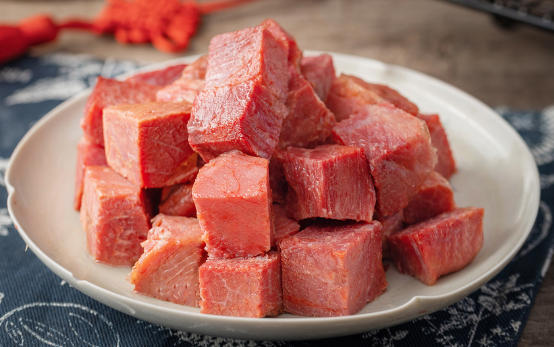
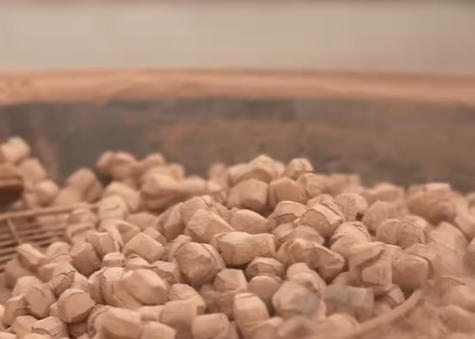
Pingyao's most famous specialty — cured beef salted and pressed into firm blocks, sliced paper-thin and served cold. The curing process dates back centuries, producing meat with deep red color and concentrated savory flavor. Often served as appetizer with Shanxi vinegar.
? Try: Any restaurant on Ming-Qing Street, or buy packaged beef as souvenir

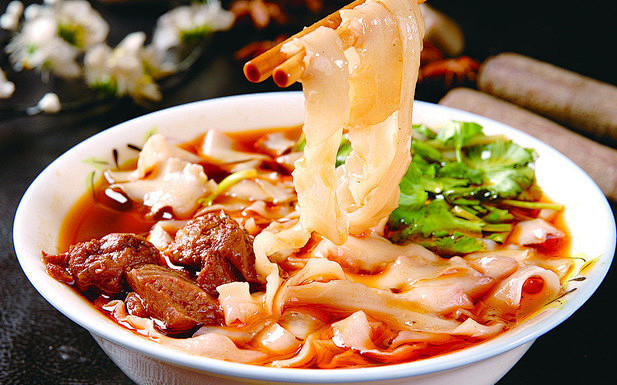
Shanxi province's signature noodles — a chef shaves dough directly into boiling water with a sharp blade, creating irregular ribbon-shaped noodles with chewy texture. Served in rich broth with meat, vegetables, and chili. Watch the theatrical preparation.
? Try: Small noodle shops along the main street, look for busy ones

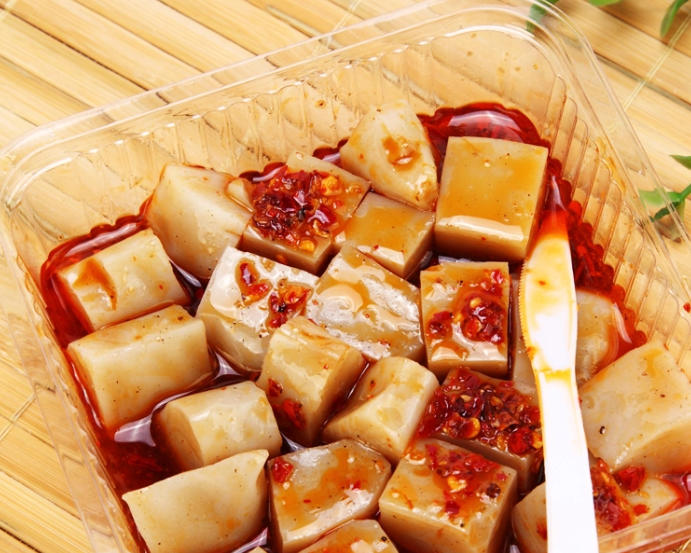
A unique Pingyao snack — steamed buckwheat batter cooled into a jelly-like consistency, sliced and dressed with chili oil, vinegar, and garlic. Refreshing and slightly chewy, perfect as a light meal or snack while exploring the ancient streets.
? Try: Street vendors throughout the old city, especially near the city gates

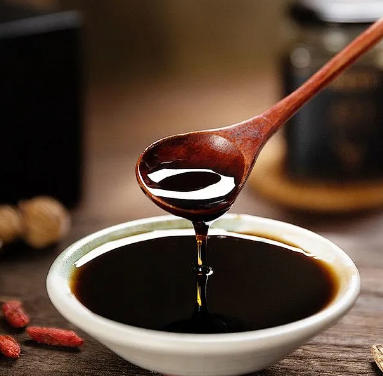
Shanxi's legendary aged vinegar — fermented from sorghum and aged for years in clay jars, developing a complex sweet-sour depth unlike any other vinegar. Drizzled over noodles, dumplings, and meat dishes. Pingyao shops sell bottles to take home.
? Try: Sample at vinegar shops on Ming-Qing Street, buy bottles as gifts

Small square pieces of dough fried until crispy, then served in soup or as a snack. A Shanxi specialty with satisfying crunch, often flavored with five-spice powder. Perfect with tea or as street food.
? Try: Local snack shops on Ming-Qing Street
A curated plan to walk ancient walls, explore merchant mansions, and experience old China
Begin at South Gate and walk the full or partial wall circuit (6km). Views of tiled rooftops, courtyards, and surrounding countryside. Morning light is best for photography.
Stroll the main historic thoroughfare lined with traditional shopfronts, lanterns, and vendors selling local specialties. Browse vinegar shops, paper-cuttings, and antiques.
Try Pingyao beef, dao xiao mian (shaved noodles), and local Shanxi dishes at one of the traditional courtyard restaurants.
Visit China's first bank — a beautifully preserved merchant compound with original accounting books, silver vaults, and insight into ancient Chinese banking.
Climb back onto the wall for golden hour views as the city turns amber under lantern light.
Explore the ancient government building with courts, jail cells, and living quarters. Don't miss the torture instruments display and ancient legal documents.
One of China's best-preserved city god temples with intricate wood carvings, colorful murals, and Taoist shrines still actively used.
Return to your courtyard hotel for a rest, or try a different restaurant for noodles and dumplings.
A quiet Taoist temple with ancient steles and peaceful courtyards — a break from tourist crowds.
Several historic mansions are open to visitors — choose 2-3 based on your ticket. The Wei and Lei family compounds are highlights.
A short taxi ride (15 min) takes you to this UNESCO-listed temple with over 2,000 painted clay sculptures — some of China's finest Ming Dynasty religious art. Allow 2-3 hours.
Back to the old city for one last meal — try wantuo (buckwheat jelly) and Shanxi vinegar dishes.
Final stroll through streets you missed, souvenir shopping for vinegar, paper-cuttings, and Pingyao beef to take home.
Most travelers leave by afternoon. If staying another night, enjoy a quiet evening with few tourists on the streets.
"Multi-city itineraries showcasing the best of China, with Pingyao as a highlight"
Taiyuan → Pingyao → Qiao Family Compound → Pingyao Ancient City → Shuanglin Temple. Deep dive into Shanxi's merchant history and ancient architecture.
Beijing → Datong → Pingyao → Xi'an. Combine the Great Wall, Yungang Grottoes, ancient walled cities, and Terracotta Warriors in one northern China historical journey.
Everything you need to know for a smooth and enjoyable visit
Pingyao has no airport or major train station:
The ancient city is entirely walkable:
Stay inside the ancient city for full immersion:
Practical advice for visiting:
Continue your China journey with these incredible nearby destinations
Let us help you plan the perfect trip to China's magnificent capital