A 3-Day, 2-Night Food Trip to Zhenjiang | The Three Oddities of Zhenjiang, Pot Lid Noodles, Marinated Pork, Pufferfish Banquet, Xijin Ferry, and the China Vinegar Culture Museum
**Foreword**
My trip to Zhenjiang with my friend Dandan started with her asking, "Hey, I've been cooped up too long—where should we go for a good meal this weekend?" I answered, "Let's head to Zhenjiang. I'll treat you to a pufferfish banquet and pot lid noodles."
**Itinerary**
Day 1: Took the G7576 high-speed train from Hangzhou at 11:04 AM, arriving in Zhenjiang at 1:46 PM. Dandan drove from Suzhou in about two hours. We met at Zhenjiang Station—checked in at Sheraton Zhenjiang—visited the Zhenjiang Museum—Dahua Noodle Shop, Old Dahua Duck Blood Vermicelli, red bean paste—Xijin Ferry—Zhenjiang Pot Lid Noodle Tasting Hall—back to the hotel.
Day 2: Dahua Noodle Shop—Yangzhong Garden Expo Park—Datong Restaurant—Yangtze River Fishery Culture Park—checked in at hotel—dinner: pufferfish banquet at Xinheyuan Hotel.
Day 3: Yangzhong City Station—Vinegar Culture Museum—lunch at Zhenjiang Yanchun Restaurant—headed home.
**Zhenjiang Museum**
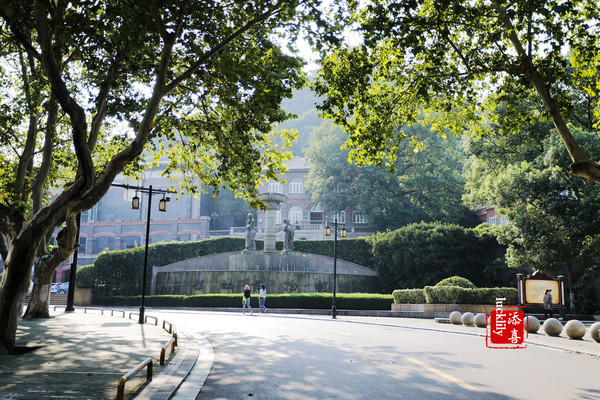
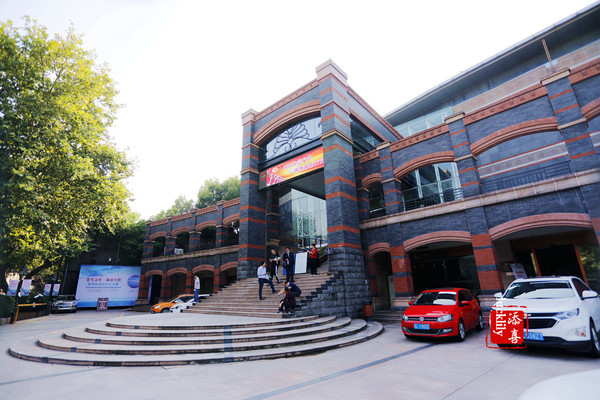
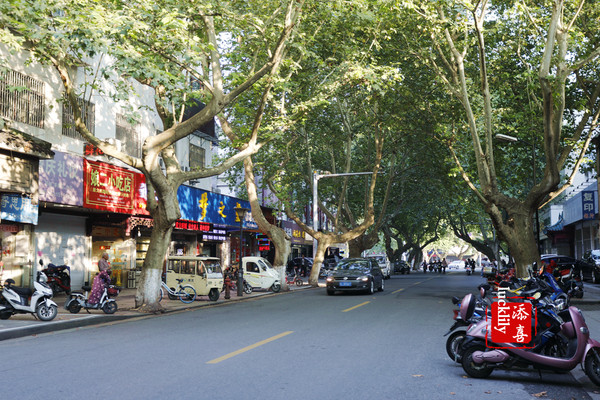
After checking in at the hotel and taking a quick rest, we decided to hit the museum first, since they stop letting people in after 4 PM and we were worried grabbing food first would push us past that. The museum building is one of the earliest British consulates built along China's coast and rivers—five structures completed in 1890 in East Indian style, now over a century old. The museum itself was founded in 1958. It sits west of Yuntaishan, north of the mighty Yangtze, and just east of the old Xijin Ferry street. The road out front, Boxian Road, is lined with tall trees, sunlight filtering through the leaves in dappled patches onto the pavement—quite charming.
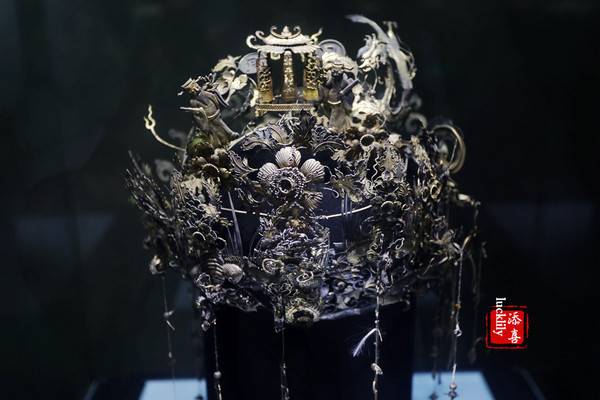
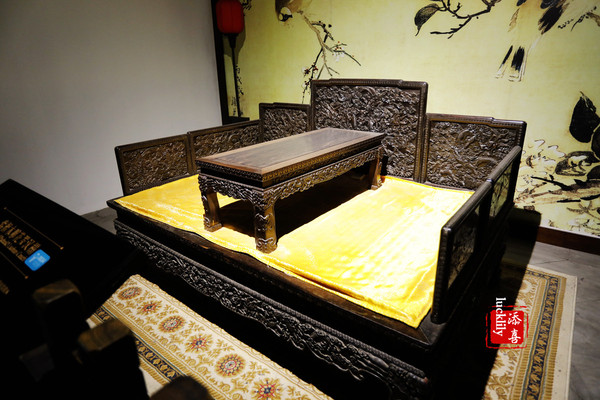
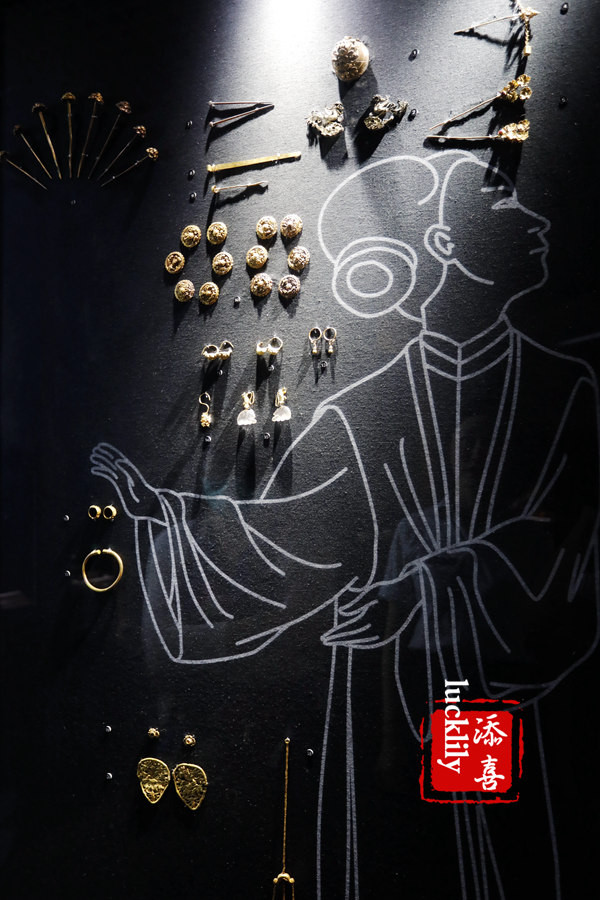
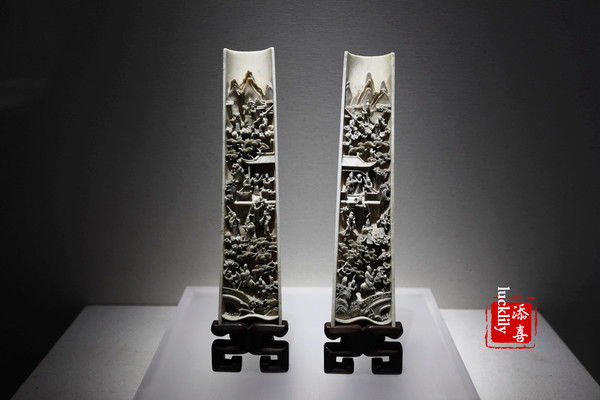
Gold-plated silver phoenix crown. Rosewood carved arhat couch.
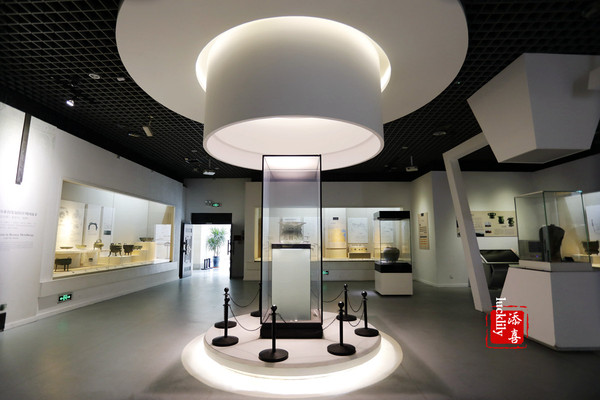
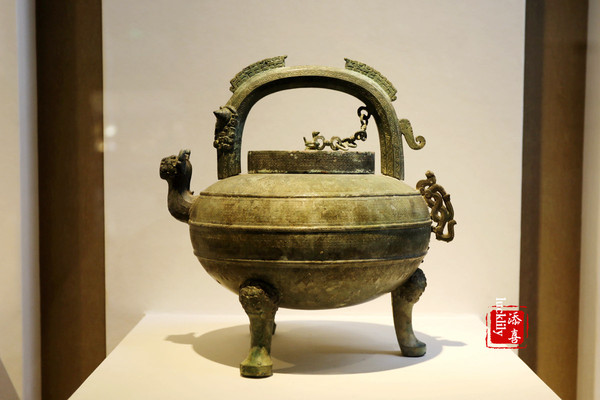
Three exhibition halls are currently open to visitors free of charge: the Bronze Ware Hall, the Gold and Silver Ware Hall, and the Crafts Hall. The rest are undergoing renovation.
The Bronze Ware Hall showcases the characteristics of Wu-state bronzes across three periods: the leap-forward development phase, the mature phase with regional flair, and the peak era.
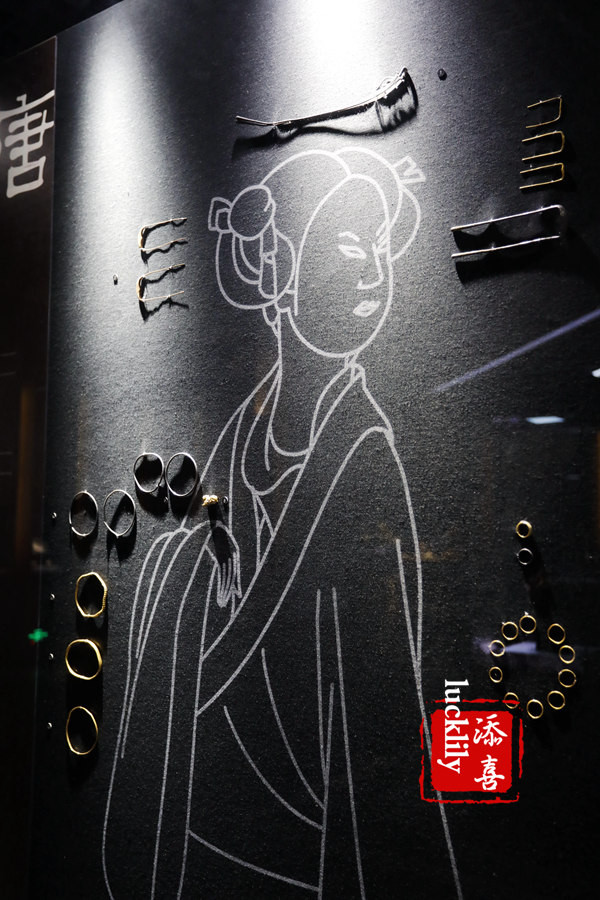
The Gold and Silver Ware Hall features fine pieces including ornaments, currency, and vessels, mostly excavated from local tombs and caches, spanning from the Han and Six Dynasties down to the Ming and Qing. The Tang, Song, and Yuan periods are especially well represented. The craftsmanship and artistic style reflect the level and character of the gold and silver work of their times, tracing the brilliant arc of the region's ancient metalworking.
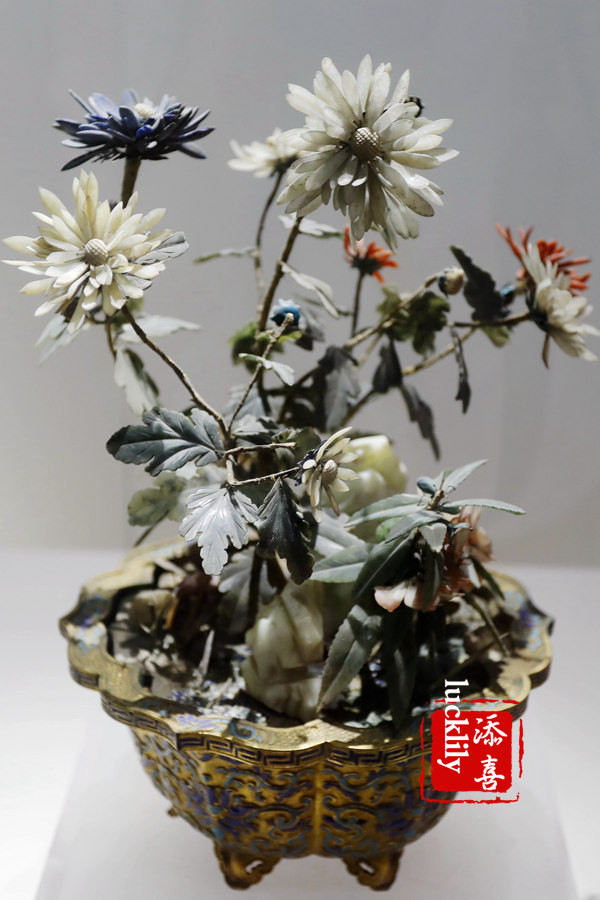
The Crafts Hall displays nearly a hundred fine works, including carved porcelain, Yixing clay teapots, jade, and cloisonné—a wide variety of exquisitely made pieces with plenty to admire. Among the Qing imperial treasures, the rosewood carved arhat couch was reportedly used by Empress Dowager Cixi.
Travel tip from Tianxi: The museum has volunteer docents, and I'd strongly recommend listening to the guided tour.
Admission: Free, but you need to pick up a ticket at the ticket office.
Hours: Tuesday to Sunday, 9:00 AM–4:30 PM; no entry after 4:00 PM.
Address: 85 Boxian Road, Runzhou District, Zhenjiang.
Getting there: Take bus No. 2 from Zhenjiang Station to Boxian Park, then walk back about 200 meters. Buses 102, 12, 104, and 28 also stop nearby. There's a public parking lot close by if you drive.
**Pot Lid Noodle Shops and Snack Stalls Everywhere in Zhenjiang**
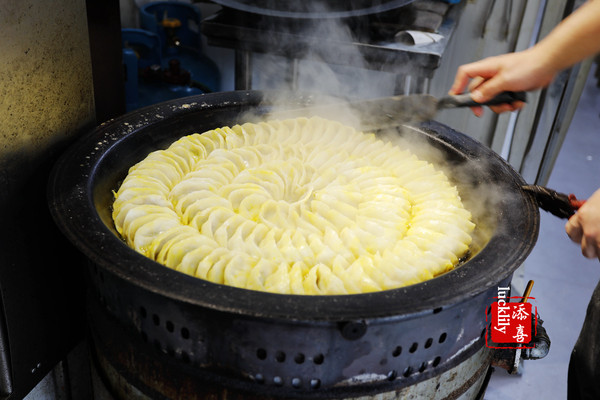
While at the museum, I asked the docent where to find good food nearby. She said the most famous noodle shop in town is Dahua, not far from the museum—about a 15-minute walk. Zhenjiang really is packed with snack stalls, and pot lid noodles are everywhere. The shops were still open in the afternoon, with potstickers sizzling in their pans, the aroma absolutely tempting. But we had our sights set on that famous noodle place, so we kept walking.
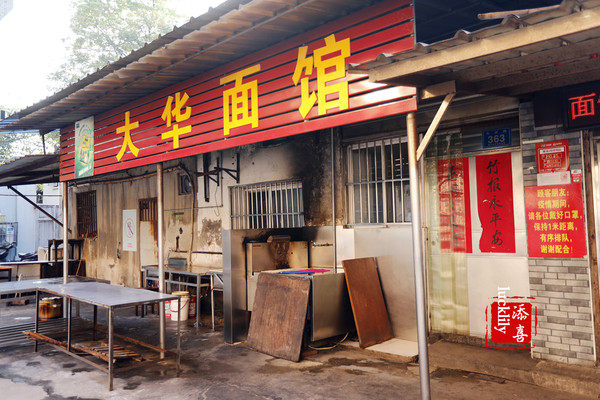
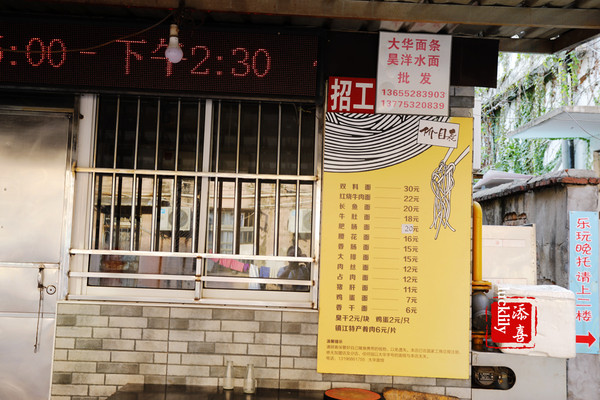
We finally spotted Dahua Noodle Shop—only to find they close at 2:30 PM. Locked door, plain and simple. We'd have to come back early the next day.
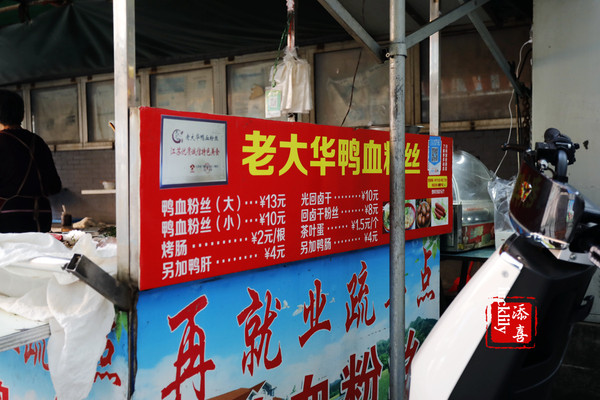
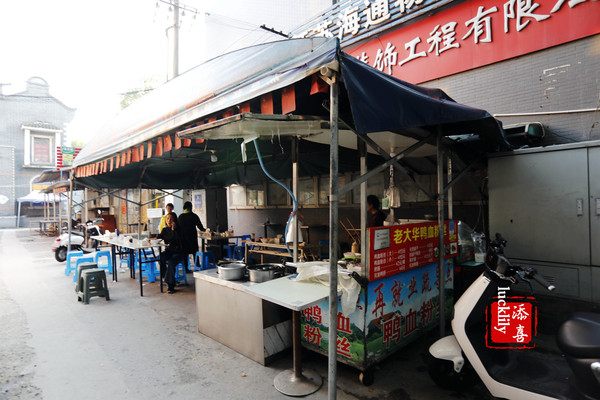
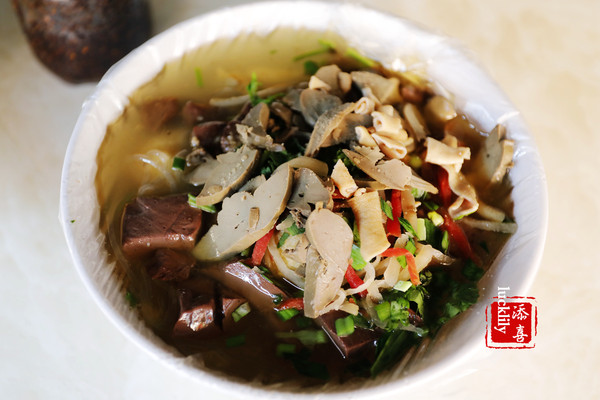
But every cloud has a silver lining. If we'd gotten our noodles at Dahua, we might have missed this utterly unassuming little spot—Old Dahua Duck Blood Vermicelli. Twenty yuan a bowl, and it was the best duck blood vermicelli soup I've ever had, with the most generous toppings. Besides the duck blood, it came with fried tofu puffs, duck intestines, and duck liver. The broth was rich and oily, and the toppings tasted like they'd been flash-fried in oil—incredibly fragrant. Oh, and the red bean paste shop across the way was a real gem too—delicious and cheap.
**Xijin Ferry Old Street**
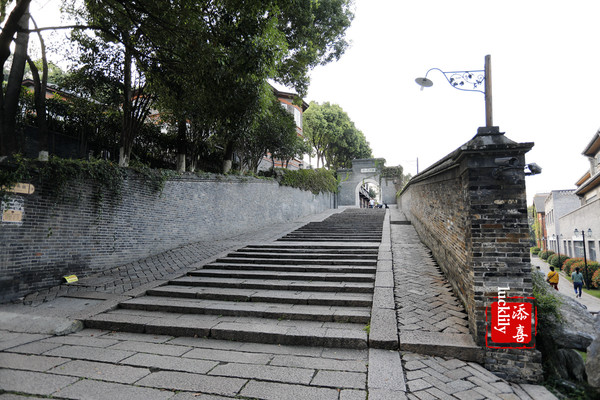
After our vermicelli and red bean paste, we turned back. The steps just up from the museum lead to the entrance of Xijin Ferry—I'd spotted the turnoff on our way to the museum and got pulled right onto this old street steeped in history.
Xijin Ferry is the area in Zhenjiang with the most preserved cultural relics—the most concentrated and best-kept—and it's the very soul of Zhenjiang's historical and cultural identity.
Unlike the trendy commercial streets in many cities, most of the buildings here are genuine preserved historical landmarks. Xijin Ferry is lively in just the right measure—not over-commercialized—and it carries the city's own particular charm and rhythm.
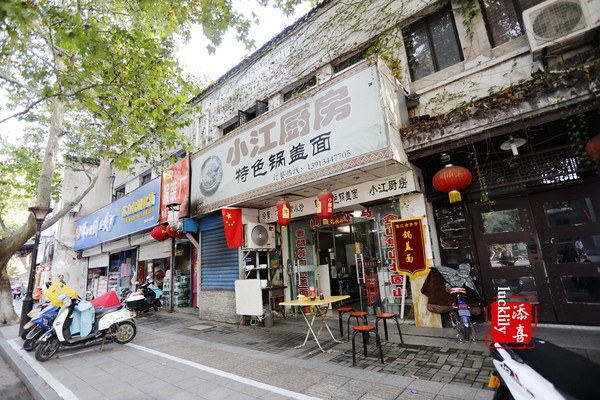
Midway down the street, a few pot lid noodle shops really made their presence known. One was Yujia Kitchen, a century-old establishment. I was drawn in by the giant custom pot at the entrance, with its little wooden lid bobbing inside—the first properly ceremonial pot lid noodles I'd seen in Zhenjiang. The noodles themselves were excellent: springy, chewy, with real bite, served with greens and bean sprouts. I usually like adding something crisp like lettuce to my own scallion-oil noodles at home, so this hit the spot. I added a slice of marinated pork, and the whole bowl came to 28 yuan. I deliberately sat in the courtyard to eat—the atmosphere was lovely. According to the staff, this well-preserved courtyard house is one of the few historic buildings left on the street.
Just a few steps past Yujia Kitchen, Sister Li's Pot Lid Noodles had the loudest hawking of all. The man out front kept twirling a handkerchief while shouting that these noodles had been on CCTV, with a long banner hung across the storefront. Business was clearly booming—they were overshadowing the noodle shop across the way. But we'd just eaten, so we grabbed some osmanthus cakes at the door instead—another Zhenjiang specialty, and very tasty.
Visiting Xijin Ferry in the early evening turned out to be perfect timing. The sky was still light when we walked in, the setting sun gilding the buildings on both sides with a golden rim. By the time we reached the end and turned back, dusk had fallen. The old street grew dimmer, then its lights came on, revealing a whole different scene.
With National Day approaching, little five-star red flags lined the alleyways.
**Zhenjiang Pot Lid Noodle Tasting Hall**
The Tasting Hall was originally on our must-visit list anyway, and it happened to be on the way from Xijin Ferry back to our parking spot.
The place is spacious, divided into several dining areas, with classic traditional decor. On the walls hung the five-character secret to pot lid noodles: "mix," "jump," "float," "simmer," and "top"—corresponding to mixing the dough, jumping on it, cooking the noodles, simmering the broth, and preparing the toppings. Clearly, the selection of ingredients and the cooking method are both crucial.
The open kitchen lets you watch the noodles being made—the little pot lid floating in the big pot, which I found endlessly amusing as an outsider.
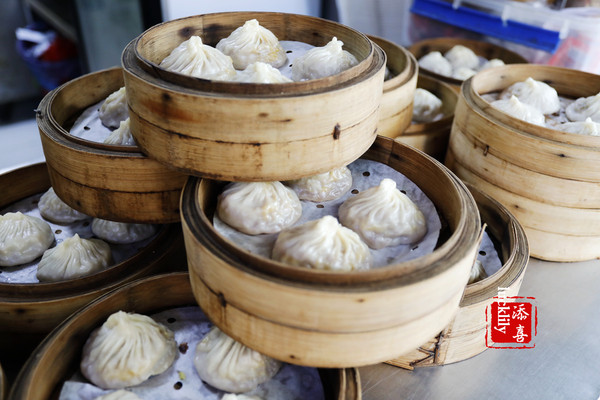
This time I ordered the lion's head meatball pot lid noodles, plus soup dumplings and crab roe dumplings. The prices run a bit higher, given the restaurant's caliber, but the flavors were genuinely excellent.
**Day 2: Dahua Noodle Shop**
Having struck out the previous afternoon, we were even more determined to hit this place that closes at 2:30 PM. The setup reminded me strongly of Old Ju Ying Noodle Shop back in Hangzhou—open only until 1:30 PM, always a line no matter when you go. Though after being featured on "A Bite of China," the original owner sold it, and the new owner has opened branches all over Hangzhou, open all day—but the reputation, like the flavor, isn't what it used to be. So seeing Dahua in Zhenjiang felt familiar and comforting. A place where locals queue up