Dali Old Town
Yunnan: The Longer You Stay, the More You Want to Disappear Into the Mountains (A Three-City Journey Through Dali, Lijiang, and Xishuangbanna)
The first time I came to Yunnan was in April 2013. I was a carefree kid back then, naive and untroubled, and I spent over a month lazily drifting through the old town of Dali. That trip planted the first seeds of what Yunnan would come to mean to me. The second time was in December 2019. By then I was a young man who'd seen a bit of the world and its warmth and coldness, and I spent a few days trekking deep in the mountains of Yubeng Village in Shangri-La. That trip gave me a deeper understanding of Yunnan. The third time was in August 2020. I'd crossed into my thirties by then, a slightly more grounded uncle-type, and I wandered through the old towns of Dali, Lijiang, and Xishuangbanna for nearly two weeks. That trip left me with an inexplicable attachment to this place. (You can find my Yubeng trekking travelogue here: https://you.ctrip.com/travels/xianggelila106/3921865.html?isAuthor=true)
Thank goodness the day I went to Xizhou was gloriously sunny. All I wanted to do was run through those rice fields.
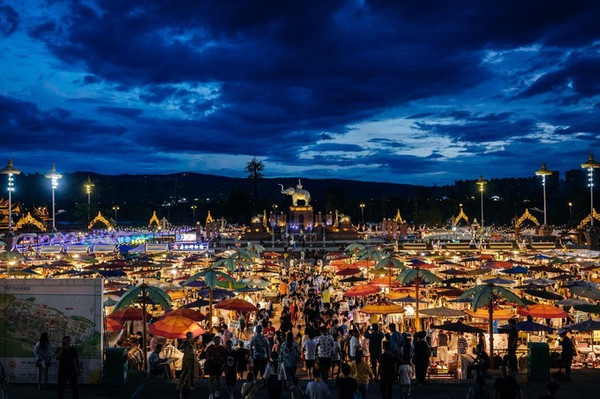
The night markets in Xishuangbanna are genuinely a daily must-visit. I loved them so much.
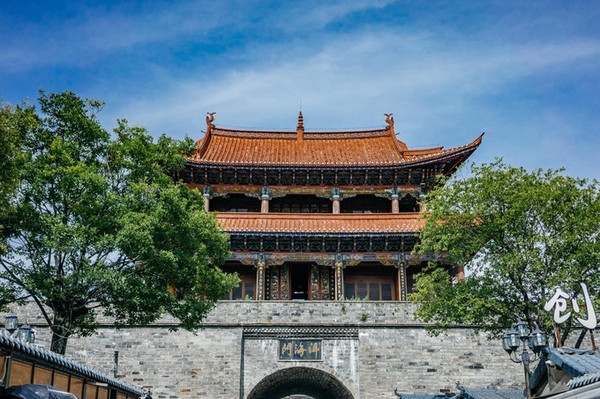
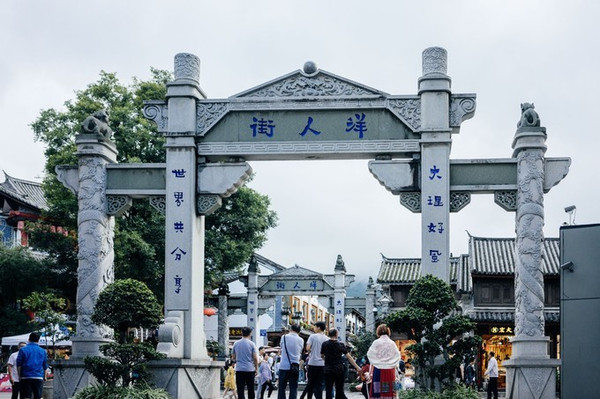
The moment I arrived in Dali Old Town this time and passed through Erhai Gate, I started sighing to myself. So much has changed that I barely recognized it. Back in 2013, there was basically nothing around Erhai Gate. It was wide open and empty. Now it's a bustling market, and the surrounding shops are thriving. That laid-back feeling of strolling after a meal that I loved so much back then is probably gone for good.
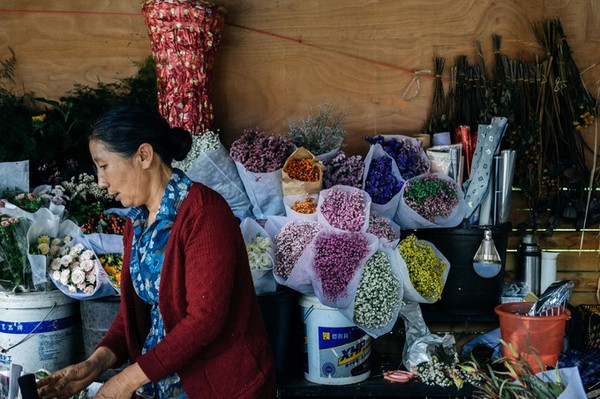
As for what the market at Erhai Gate sells, it's nothing beyond the usual ethnic clothing, local snacks, and handmade souvenirs. Though I do have a friend who regularly stops by the little flower shop. In Dali, if you've got fake flowers sitting in your home or your shop, that's basically disrespecting the place. With such stunning natural surroundings, beautiful flowers are everywhere. As long as you're willing to put in a little effort to decorate, there's no need for those lifeless artificial ones.
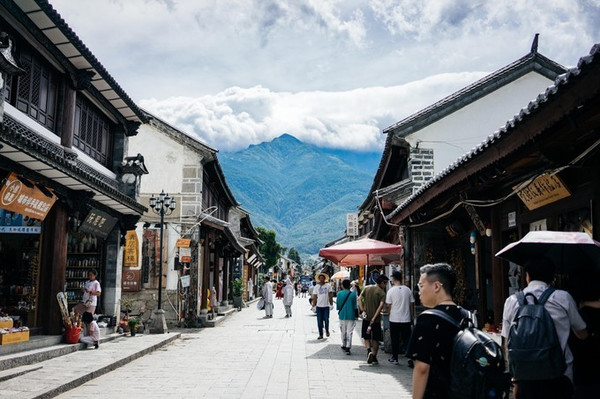
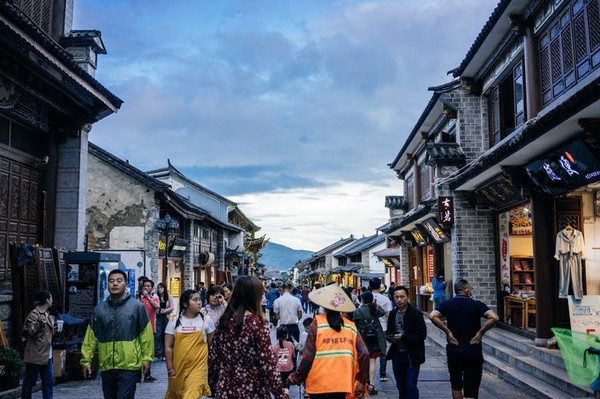
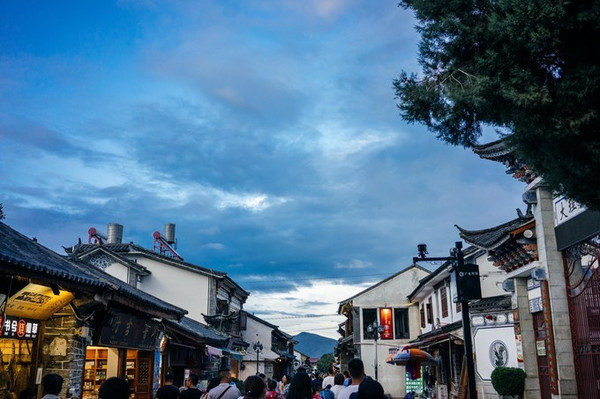
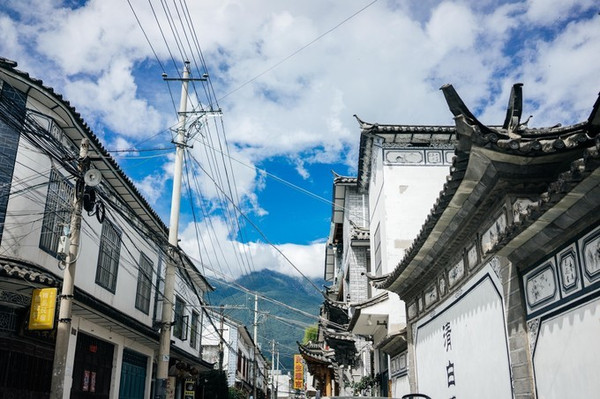
Walking from Erhai Gate along Renmin Road toward Cangshan Mountain has always been my favorite way to explore the old town. Renmin Road is the busiest, liveliest main street in the old town, lined with all kinds of specialty shops on both sides. After a few years away, the lower section—which used to be a bit quiet—has gotten noisy too. Lots of tourists, and the shops on both sides are mostly guesthouses, restaurants, and souvenir stores.
The upper section is as bustling as ever, and I always just hurry through it. That's where tourists congregate the most, especially with Foreigner Street right next to it—back in the day, that was the go-to bar street. Actually, there are quite a few bars along both sides of Renmin Road. Come evening, when the live singers start performing, the old town's already lively atmosphere gains a touch of artistry, a touch of world-weariness.
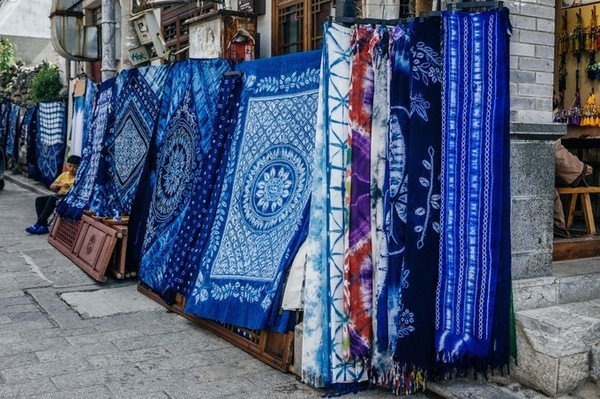
I remember back then in Dali, aside from all the tie-dye products, you'd see plain cotton and linen clothing everywhere in the old town. When I came back this year, I couldn't find those clothes anymore. Most of what's around now is tie-dye apparel ranging from 69 to 399 yuan. Back then, I loved wearing those simple clothes—staying grounded, carrying a bamboo basket on my back, riding a bike around the old town and its outskirts.
Dali Old Town isn't exactly big, but it's not small either. Walk around enough and you realize there are only so many places to go, but walking from Erhai Gate to the North Gate still takes a while. The courtyards hidden deep in the alleys might surprise you. So if you want to experience a quieter side of the old town, just step away from the main streets and wander into the side alleys. You might stumble upon a cozy café, a great eatery, or a lovely guesthouse.
As for why I insist on staying inside the old town, it's really about having a place where I can quietly watch the clouds roll over Cangshan Mountain. Every day, every moment, the clouds on Cangshan shift and transform in ways I never tire of. Even during the rainy season, when the clouds never seem to part and you rarely catch sunlight streaming through them, it doesn't bother me. When your mindset is right, that's enough.
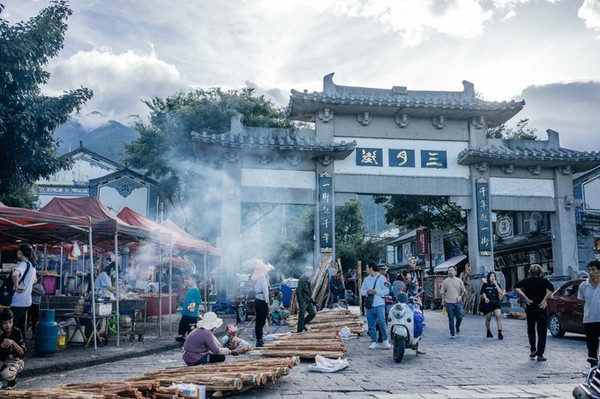
Actually, there's one place near the old town that's well worth a visit, though you have to leave the old town to get there. That's the Third Month Street. The Dali Third Month Street is a traditional ethnic gathering with over a thousand years of history, and it's also an ancient and thriving trade market in western Yunnan. I loved coming here to hunt for things back in the day—clothes, snacks, souvenirs, I'd browse them all. It's especially lively during festivals, though now it seems to have been gradually taken over by food stalls and restaurants. The days I was there happened to coincide with the Torch Festival, but due to the pandemic, the activities were canceled. Still, there were plenty of stalls selling torches under the archway.
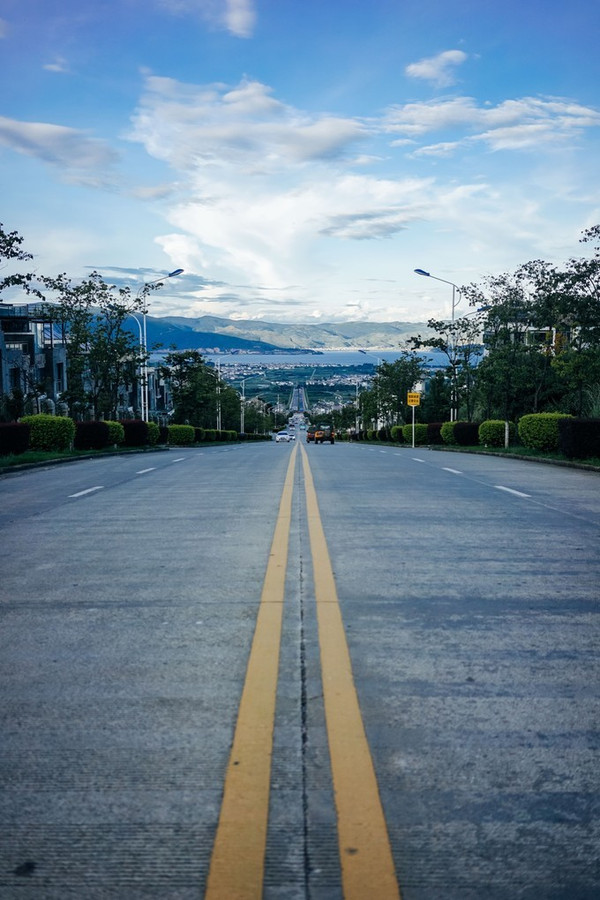
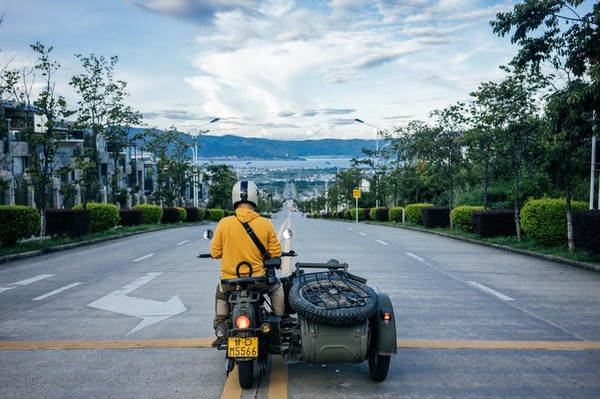
A bit further from the old town, Dali University is also worth a visit. When I was there, it was still closed due to the pandemic. It should be open now, and visitors are probably allowed in. But outside the campus, there's a pleasant surprise I'd specifically found online beforehand. Since Dali University sits at the foot of Cangshan Mountain, the terrain is quite elevated. Outside the campus, there's a straight road leading directly toward Erhai Lake with nothing blocking the view. Standing up high, you can see Erhai in the distance. There's very little traffic on this road normally, so I may have been a bit reckless and taken photos right in the middle of it. 【Old Town Life】Leisure and Pleasure—Food and Coffee
During my days in the old town, I basically slept until I woke up naturally, had a late breakfast, then went back to rest or found a café to sit in. In the evening, I'd figure out where to have dinner and grab a drink. It was all very casual.
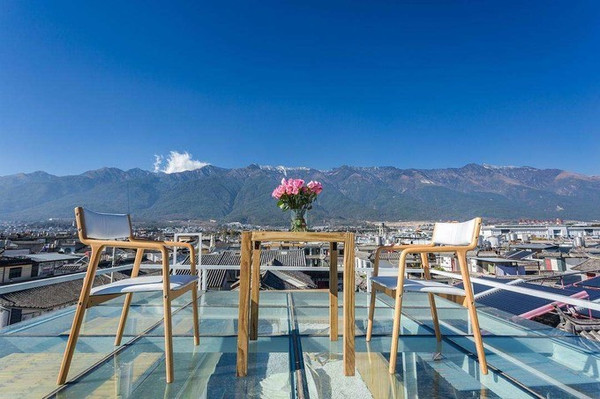
When choosing accommodation, I told myself I absolutely had to find a guesthouse with a rooftop where I could see Cangshan. So I booked this place called Jimu Guesthouse. I did get somewhat deceived by the photos—the rooftop table and chairs in the pictures are actually off-limits—but it does have its own rooftop.
Besides the rooftop, this guesthouse has its own café with a 20% discount for guests, so I didn't have to go far to sit quietly with a cup of coffee. Since the guesthouse is away from the main street, it's quiet most of the time. Plus, there's an Akita dog, a Scottish Fold blue cat, and a white tabby cat to keep you company. That's how I spent my days.
Waking up naturally in the old town, I'd want to find a spot for brunch and coffee. I mainly checked out two places. Honestly, waking up naturally isn't that easy—sometimes I really can sleep in. Chaimiduo is one of the few restaurants in the old town with its own standalone courtyard. It's a great spot for dates, breakfast, or afternoon tea.
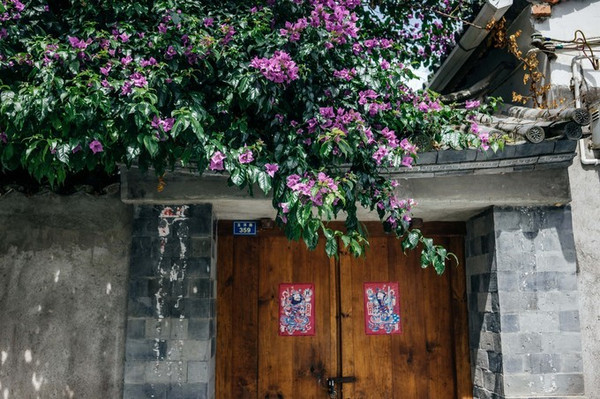
Chaimiduo also has a farm, a market, a restaurant, and guesthouses—it promotes a farm-themed lifestyle. The restaurant's ingredients come directly from the farm. The atmosphere is comfortable, with its own courtyard and bougainvillea covering the walls. It's lovely in the sunlight. If it's too sunny, there are plenty of seats indoors and on the second floor. Most of the patrons are families with kids or young couples. Try to arrive early, or you'll be waiting for a table. The menu has plenty of options, with a focus on healthy dishes. I ordered a Farmer's Breakfast. Other recommendations: Farm Salad, Cream of Mushroom Soup, Rosemary Grilled Steak, Vegetable Salad, and various Western dishes.
To the Moon is another highly rated Western restaurant in the old town. It's small, but the portions are generous—a great brunch spot in Dali Old Town.
It's a standalone building with seating both upstairs and downstairs. Unfortunately, it rained the day I went, so the outdoor seats on the second floor weren't open. There are outdoor seats on the ground floor too, café-style and quite pleasant. But the indoor