6 Days in Qingdao: Sleep in a Movie Castle, Snap Shots, and Sip at the Trendiest Cafés**
I’ve always had a soft spot for cities by the sea. I figure people who wake up to that kind of open water every day must carry a little more space in their hearts. That’s what drew me to Qingdao.
And then there was the castle from *Hello Mr. Billionaire* — I was floored when I found out it was actually in Shandong. So I decided to spend a night at Penglai Wencheng Castle. That’s how this trip came together: a love for the ocean, a curiosity about film locations, and a sudden urge to just book a flight and go.
**About the Flights**
Since this was a last-minute National Day trip, I dodged the priciest days (Oct 1–2) and flew out on Oct 4. Return was also pushed back two days to catch normal fares. Oct 4, Shandong Airlines (part of Air China, so you earn miles): 7:00–9:25, Chongqing to Qingdao, ¥720 per person. Oct 9, same airline: 20:20–23:10, back for ¥604.
**Getting Around Qingdao**
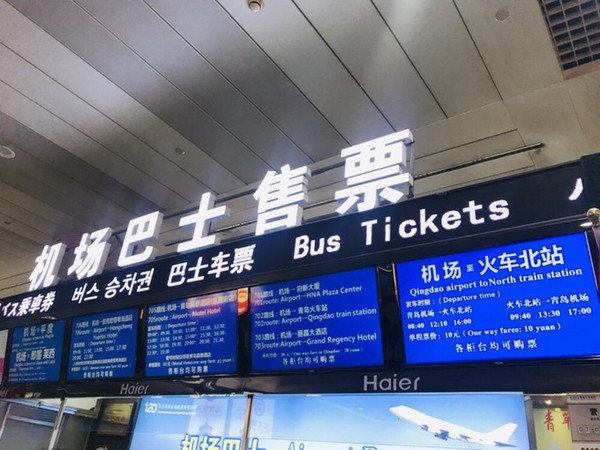
1. The airport runs shuttle buses to various city points — convenient, ¥20 per person.
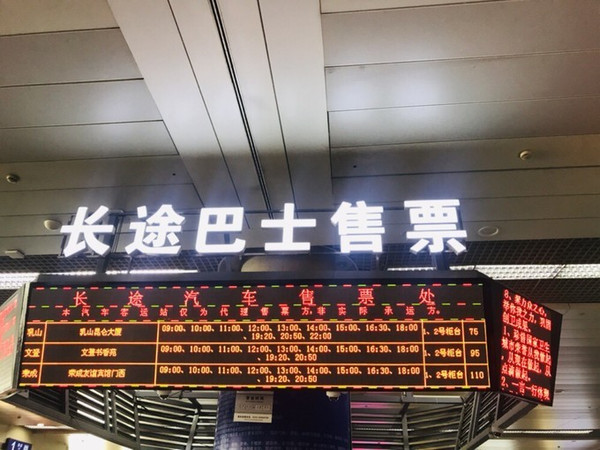
2. There are also direct buses from the airport to other destinations in Shandong if you’re exploring further.
3. The metro is limited — just three lines (1, 2, and 3) as far as I remember. Buses mostly start at ¥1, with two tourist routes at ¥5. Taxis start at ¥10, and I never ran into any detour or price-gouging issues — Qingdao is a mature tourist city, so you feel safe. I mostly stuck to buses and taxis; the metro just doesn’t cover enough.
**My Itinerary**
- **Oct 4** — Arrive, check into JI Hotel. Stroll: Olympic Sailing Center, May Fourth Square, Music Square, MixC Mall. Eat: Longxiyuan Fish Soup Dumplings, Gechuan Fish Dumplings.
- **Oct 5** — Zhanqiao Pier, Catholic Church, German Prison Museum, Badaguan Scenic Area, University Road & Yushan Road, Qingdao light show. Eat: Yan Xiaoguan, Pang Fairy.
- **Oct 6** — Yandao Hill Park, then bus to Penglai, check into Wencheng Castle.
- **Oct 7** — Tour the castle, bus back to Qingdao, check into Orange Crystal Hotel. Eat: Steam seafood, Singapore Mom’s Baked Buns.
- **Oct 8** — Trendy 25+ café, Hisense Plaza, Qingdao Beer Museum, Taidong Pedestrian Street.
- **Oct 9** — Qingdao Railway Station, German Governor’s Residence Museum, Signal Hill Park, Vanillacafa café, then fly home.
**Where I Stayed: JI Hotel**
I’m picky about accommodations, and my mom — who came along — has a serious cleanliness obsession, even stricter than mine. She can find fault with any guesthouse, even in Japan, so we went with a proper hotel. National Day rates were running 1–2 times the usual, so I hunted around and settled on JI Hotel: decent location, acceptable price, and a level of cleanliness I could trust.
The style is minimalist Japanese. The building was converted from an old structure — the same building houses both a hotel and a restaurant, so you enter two different worlds through separate doors, which I found charming.
It’s close to the sea, about a 10-minute walk from May Fourth Square. I liked this area — it feels like the meeting point of old and new Qingdao, with wide roads and fewer crowds compared to the old town.
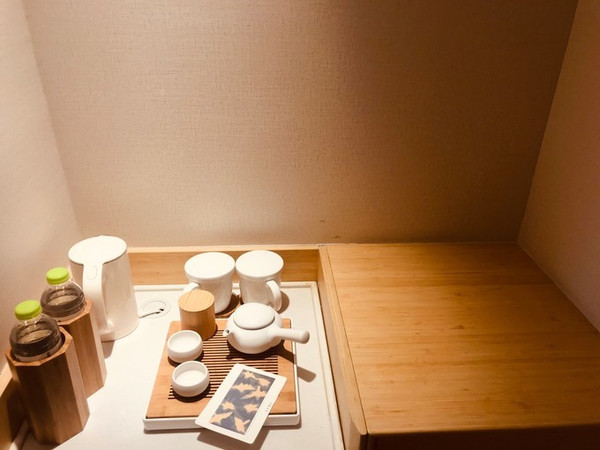
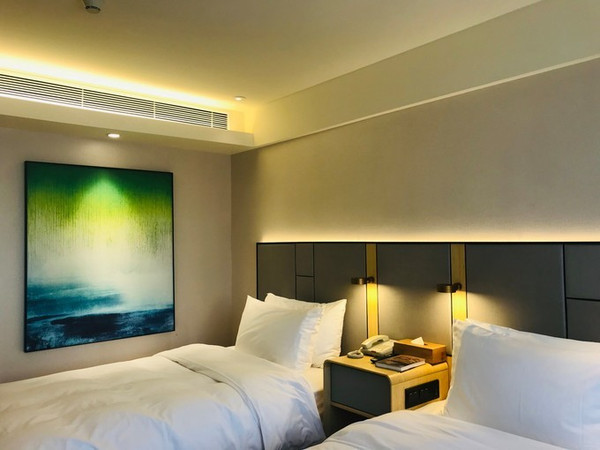
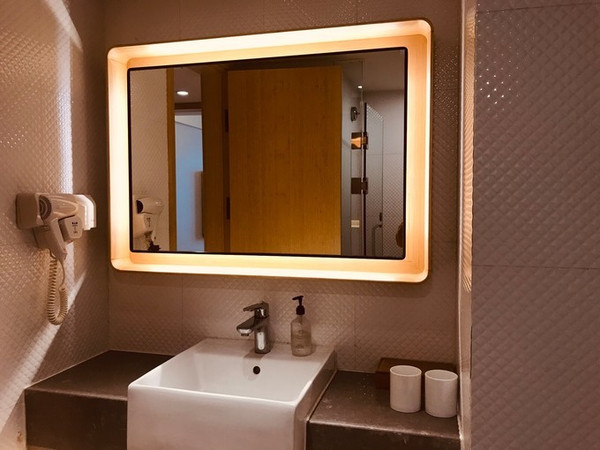
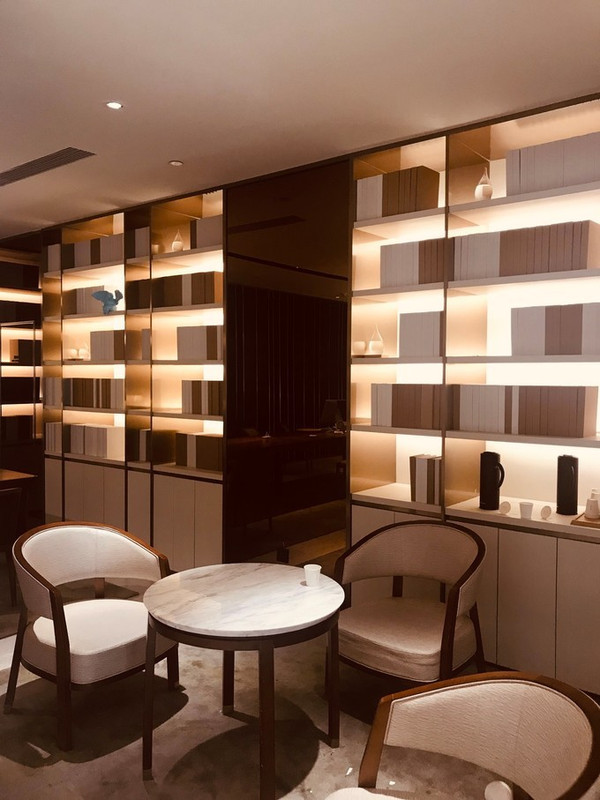
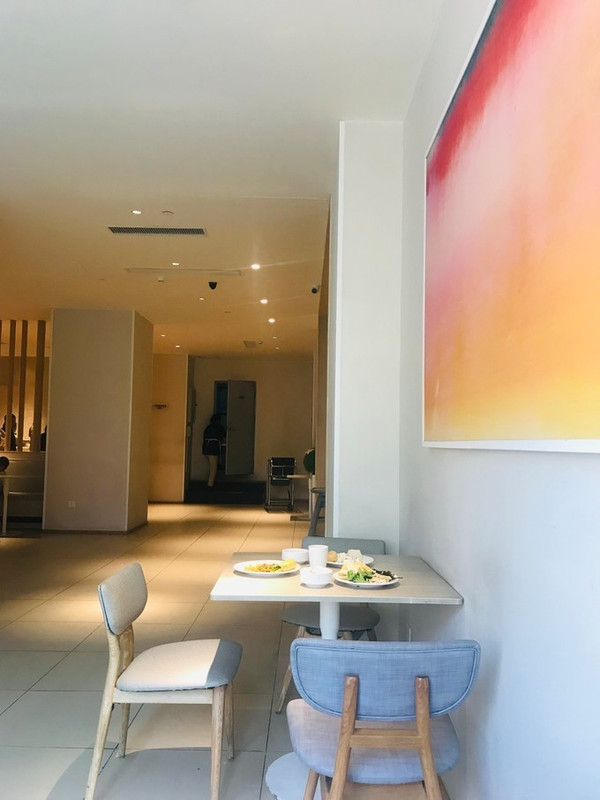
The room was compact but clean. There was even a tea setup, though we didn’t use it. The lobby was sleek and modern, with free coffee. Breakfast was ¥30 per person after a member discount — good variety, though the noodles were underwhelming.
**Where I Stayed: Orange Crystal Hotel**
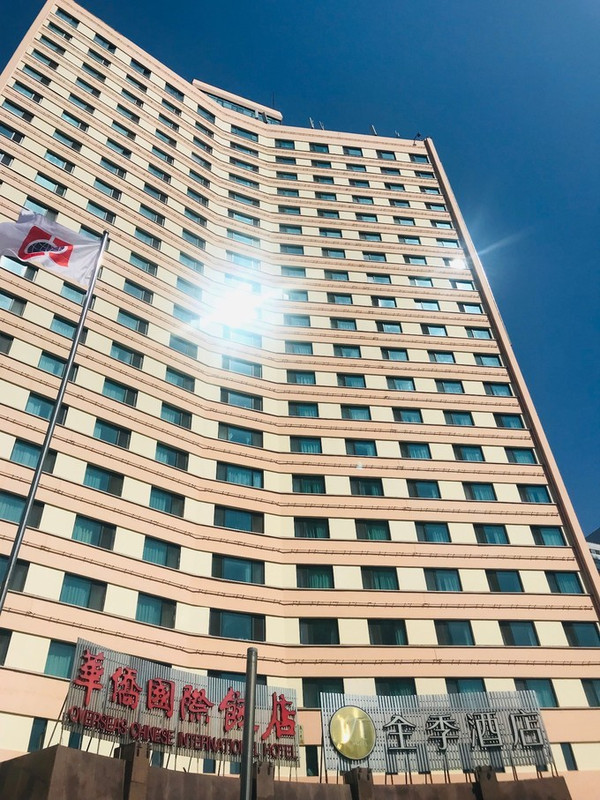
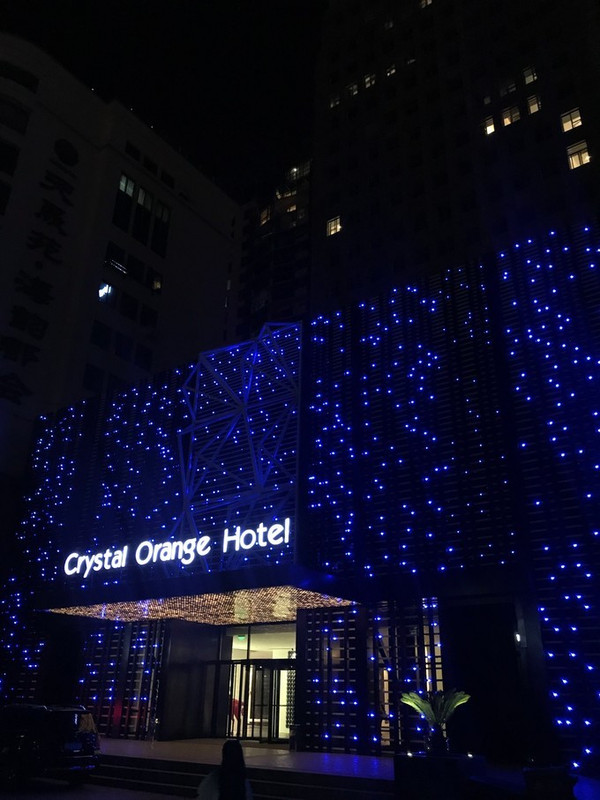
We spent our last two nights at this upscale branch of the Huazhu group. I spotted its glittering facade one night and was hooked — at my age, I’m a sucker for anything that sparkles. With a member discount, it came to ¥420 per night.
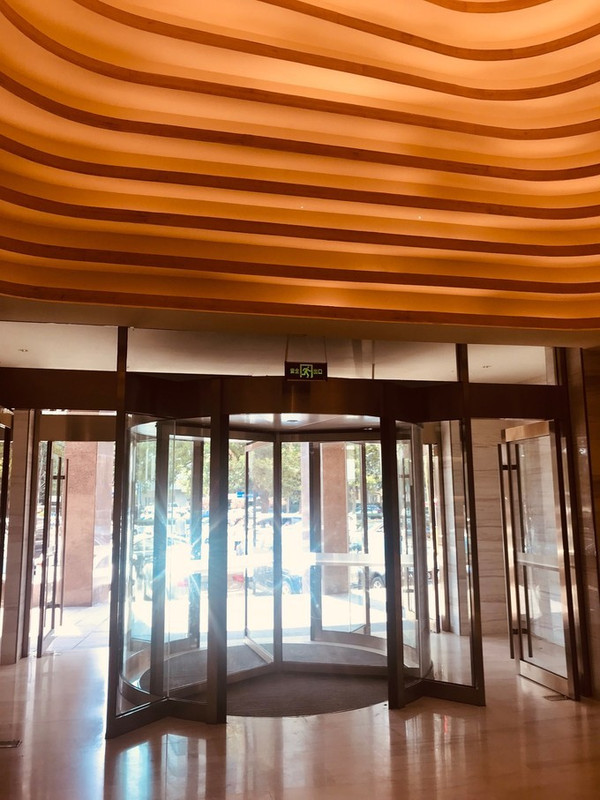
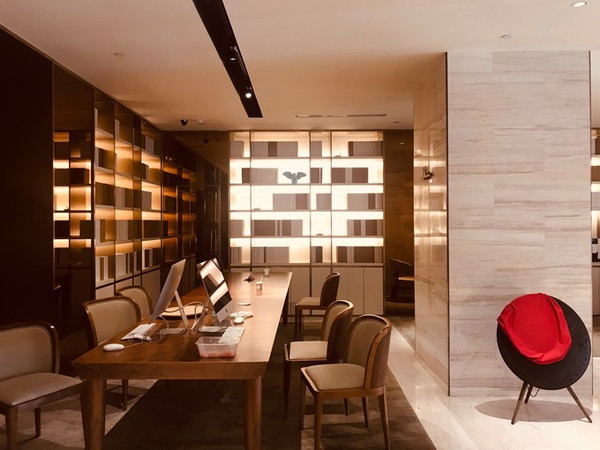
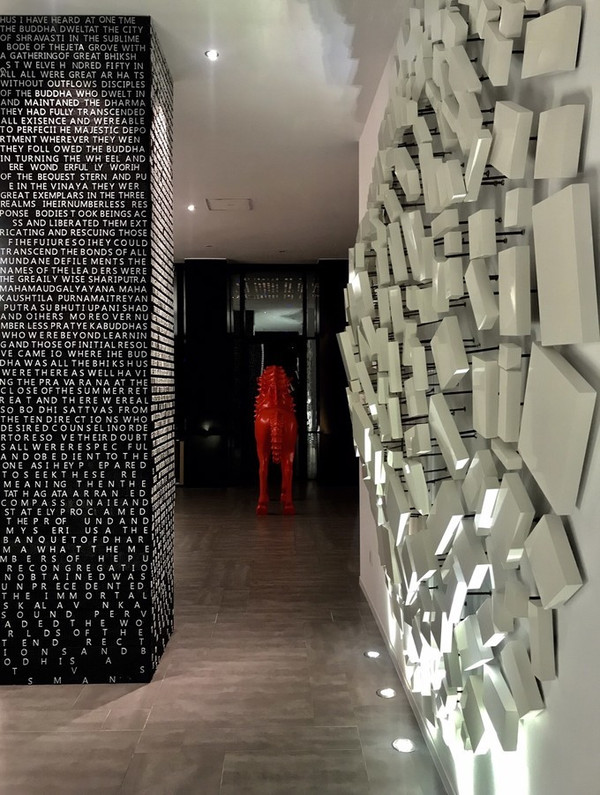
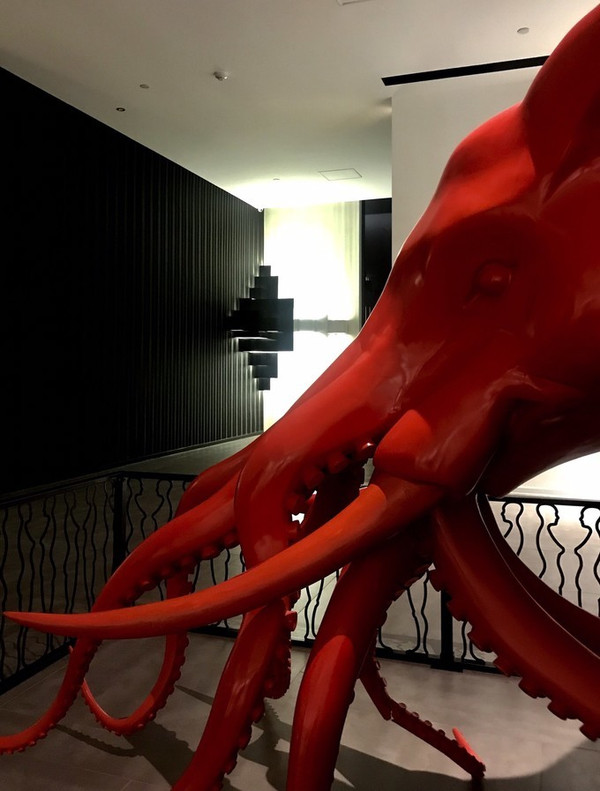
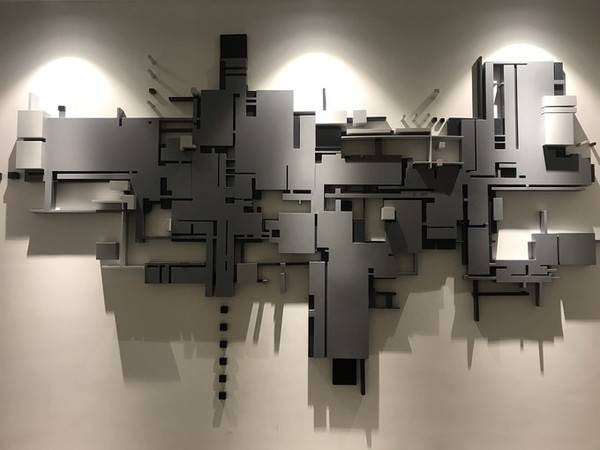
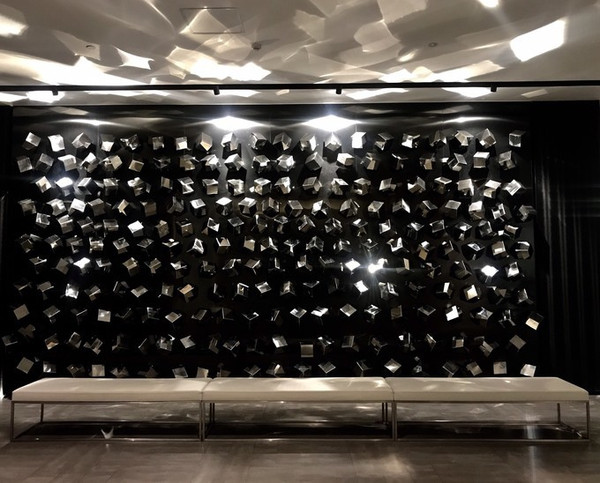
This isn’t a budget spot; it’s a stylish sea-view hotel, so rates run a bit higher. But it’s worth it. The entrance doesn’t greet you with a front desk — instead, there’s a sprawling modern art installation in cool tones of black, white, and gray, punctuated by two red horses and a red elephant. It’s a photographer’s dream, like stepping into an art gallery.
The elevator is dim and moody, with gallery-style artwork on the walls. The room greets you with a Bluetooth speaker playing upbeat tunes, and you can connect your own playlist. Location-wise, it’s about 500 meters from MixC toward the waterfront, close to May Fourth Square, the Olympic Sailing Center, and Hisense Plaza — where all the big brands are.
**May Fourth Square**
We stayed nearby, so we ended up visiting multiple times. The area is ringed with five-star hotels like Shangri-La and The Westin, all around MixC.
We arrived early, caught up on sleep, and headed out in the afternoon. The square is named for the May Fourth Movement, and its iconic sculpture, “May Wind,” spirals upward in fiery red — a symbol of patriotism and national strength. The square is split into north and south sections by Donghai Road: the north connects to the city government, while the south opens onto Fushan Bay as a seaside park.
During National Day, the square was packed — especially after dinner, when crowds gathered for the light show. And it was spectacular. Fifty-three buildings along Fushan Bay lit up in sync, with animations shifting every night from 8:00 to 8:30. A golden dragon snaked across the towers and lay flat over the sea; waves rolled in; old Qingdao landmarks appeared; there was even a *Along the River During the Qingming Festival* sequence. Fireworks crackled over the water, and lasers painted the sky. Qingdao really knows how to put on a show.
**Olympic Sailing Center**
After the light show, I walked over to the adjacent Olympic Sailing Center. It’s free to enter with an ID — just show it at the gate. This was the venue for the 2008 Olympic and Paralympic sailing events. To build the “City of Sails,” the city relocated the Beihai Shipyard and turned the area into a maritime sports hub.
I initially balked at the ¥30 electric cart, but trust me — even though you can see all the landmarks at a glance, walking it will wear you out. It’s vast, as is the Chinese way. The Olympic Museum costs ¥30; it’s open 9:00–17:00 (closed Mondays in the off-season).
The Lovers’ Dam is inside the center — a 534-meter breakwater lined with bars, cafés, and restaurants, topped by a white lighthouse. It’s a favorite spot for couples, especially at night when you can watch the city lights across the bay. It’s also the best spot for the light show.
The harbor was filled with sailboats and private yachts, remnants of the Olympic spirit. I’ve seen plenty of marinas abroad, so it didn’t wow me, but it’s still a pleasant evening stroll. On sunny days, the waterfront promenade makes for great photos.
**Zhanqiao Pier**
We started day two at Zhanqiao Pier, which dates back to 1892. Originally built as a military supply dock during the Qing Dynasty, it stretches 200 meters into the sea. During National Day, it was absolutely swarming — we took one look at the sea of heads and decided to give it a miss. The nearby First Beach was equally packed, like dumplings in a pot. The Catholic Church is within walking distance, and I was more interested in the German architecture anyway.
**Catholic Church**
Less than a kilometer from the pier, the church rises ahead. Qingdao was once a German colony, so the city is dotted with German-style buildings — the church being a prime example.
Officially St. Michael’s Cathedral, it was designed by German architect Bie Luha in a blend of Gothic and Romanesque styles. The original plan called for a 100-meter tower, but WWII-era restrictions on German capital forced a scale-down. It was completed in 1934, standing 56 meters tall — the tallest building in Shandong before 1949, and China’s only consecrated cathedral.
The hill leading to it was lined with wedding photos — I counted at least ten couples. Entry is ¥10, but I figured the exterior was enough; compared to German cathedrals, this one’s modest.
The slope below has colorful graffiti and cute cafés, which serve as backdrops for couple shoots. I love looking up at the German-style buildings. A German friend I met last year commented on my photos: “We say ‘Tsingdao.’ It’s hard for Germans to pronounce Chinese words correctly.”