[A Journey Along Suzhou Creek] Beyond
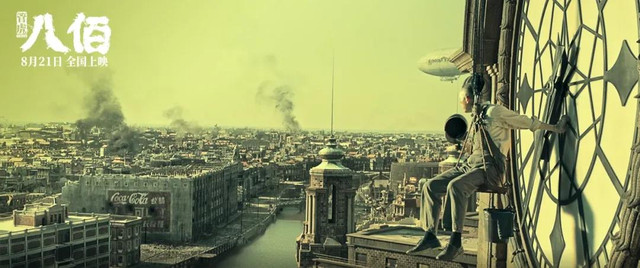
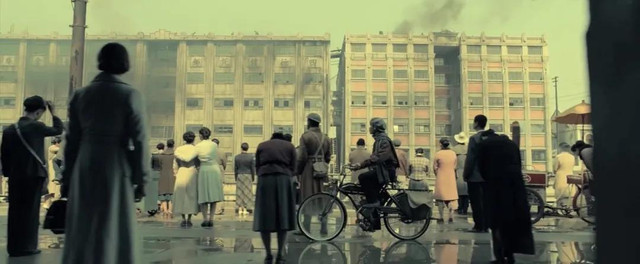
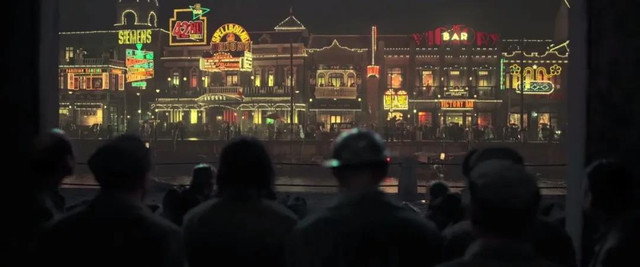
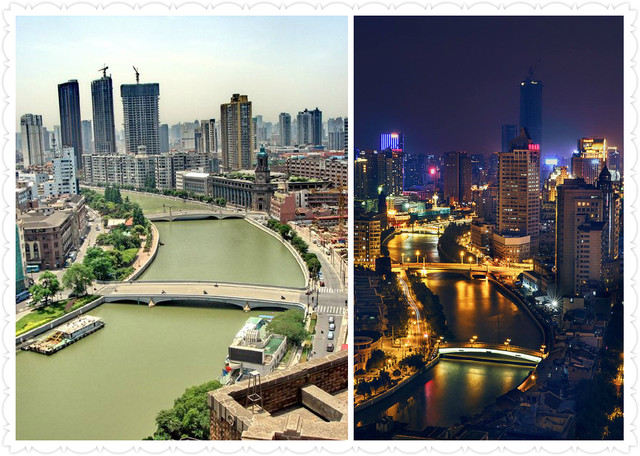
The anti-Japanese war film *The Eight Hundred* has brought the Sihang Warehouse, standing quietly along Suzhou Creek, back into the public eye, turning it into a popular check-in spot, and putting Suzhou Creek itself on the trending list. Many of the once-dilapidated old warehouses and buildings along both banks of Suzhou Creek have now been transformed into memorial halls, museums, art studios, and trendy Instagram-worthy destinations, exuding a chic, bohemian vibe. It’s well worth spending a leisurely afternoon strolling along the river for an hour or two, tracing history, comparing past and present, and enjoying the scenery of Suzhou Creek.
01 Overall Route
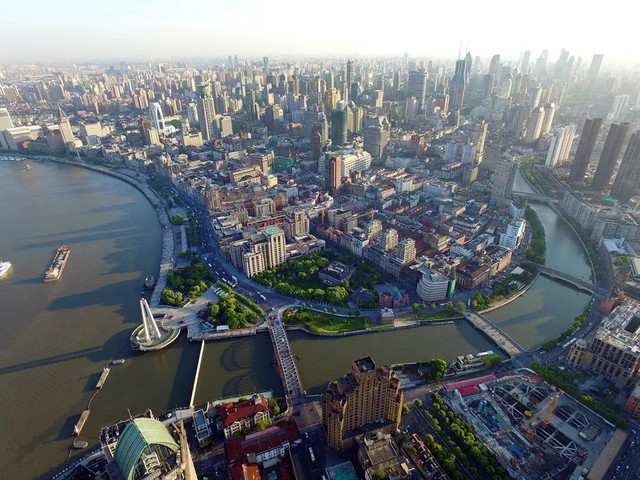
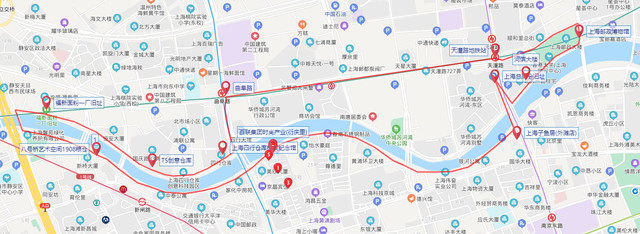
Zi Yu Ju Hotel (The Bund Branch) is also situated on the banks of Suzhou Creek, under the Henan Road Bridge near East Nanjing Road, just 1.3 kilometers from the Sihang Warehouse. This stretch of the river happens to be the highlight of Suzhou Creek, featuring not only numerous magnificent historical buildings but also dazzling riverside views. Thus, this City Walk route begins at Zi Yu Ju Hotel (The Bund Branch). Starting from the hotel, head from east to west, walk along Suzhou Creek for a round trip, and finally return to the hotel. The full round trip is approximately 5.5 kilometers, taking 1–2 hours on foot. Two segments can be covered by metro or bus to save time and walking distance.
Attractions along the way:
① Former Site of the Shanghai General Chamber of Commerce
② Broadway Mansions (He Bin Building)
③ Shanghai Postal Museum
④ Sihang Warehouse Memorial Hall of the War of Resistance
⑤ Sihang Tiandi + Sihang 195 Creative Park
⑥ Former Site of Fuxin Flour Mill No. 1 (Suhe Art Center)
⑦ South Suzhou Creek Creative Park
⑧ No. 8 Bridge Art Space 1908 Grain Depot
⑨ Bailian Fashion Center (Yanqingli)
02 Former Site of the Shanghai General Chamber of Commerce
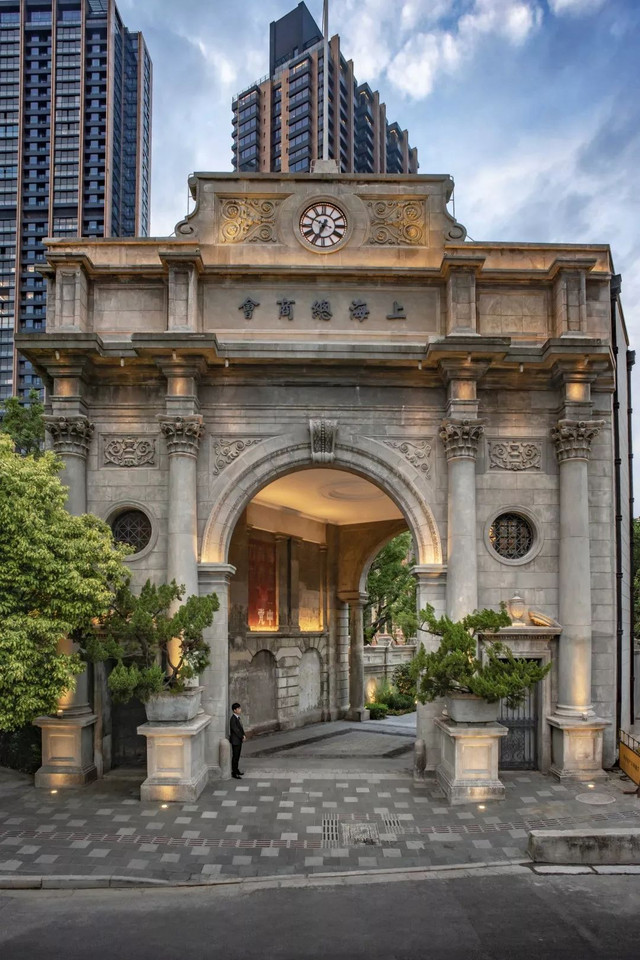
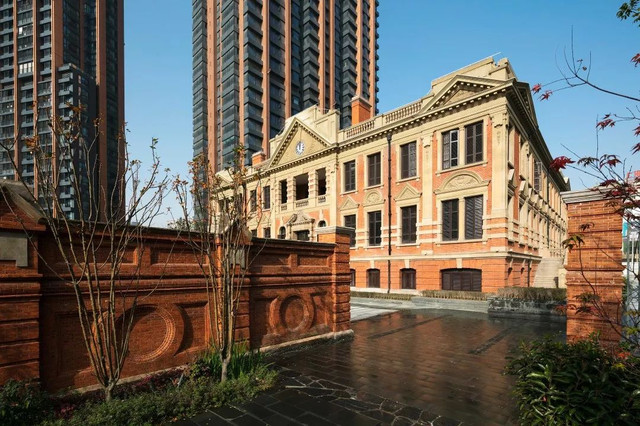
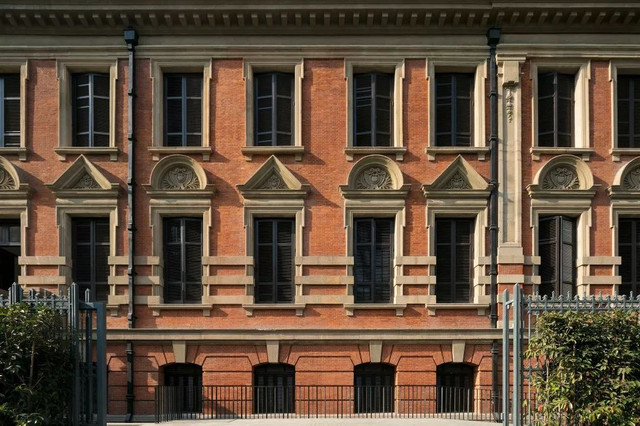
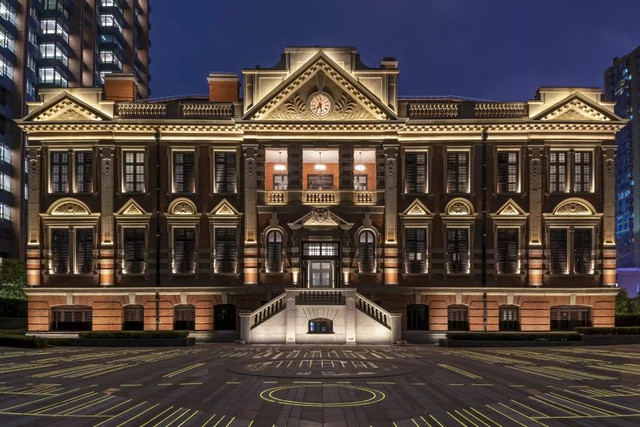
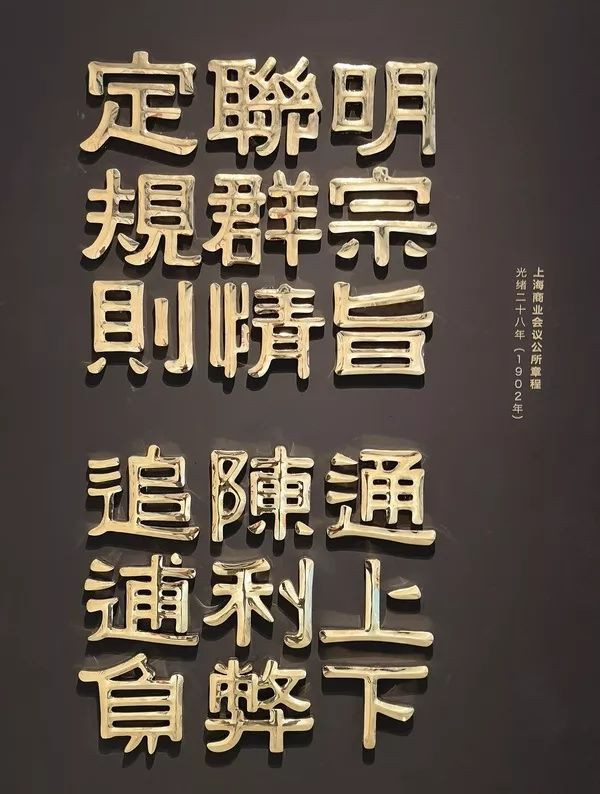
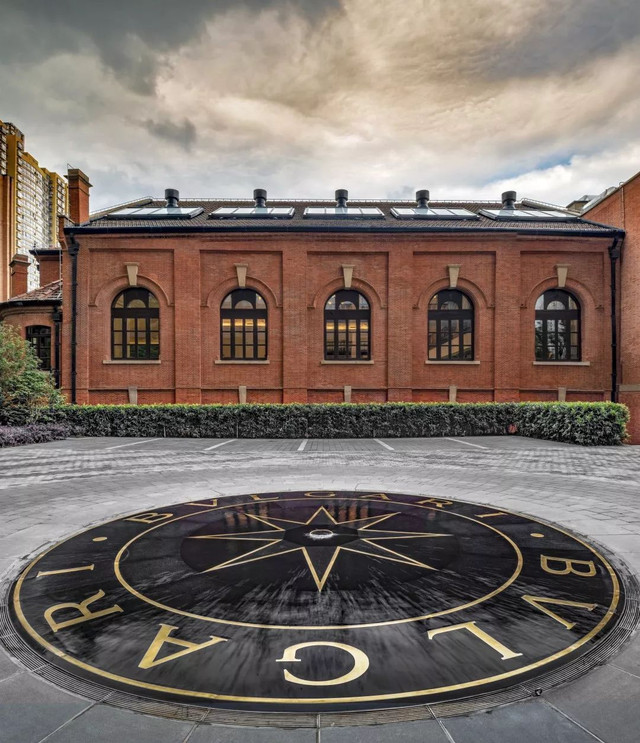
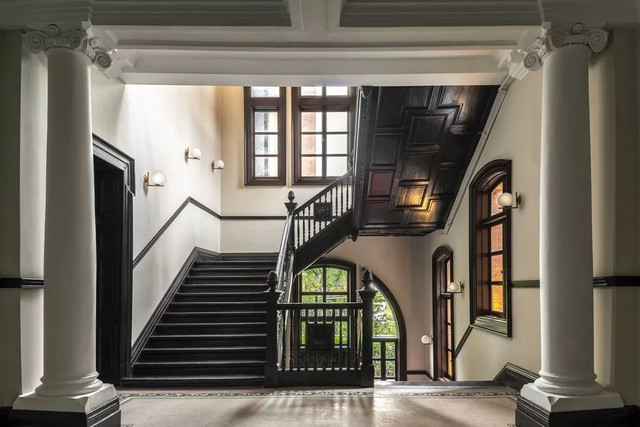
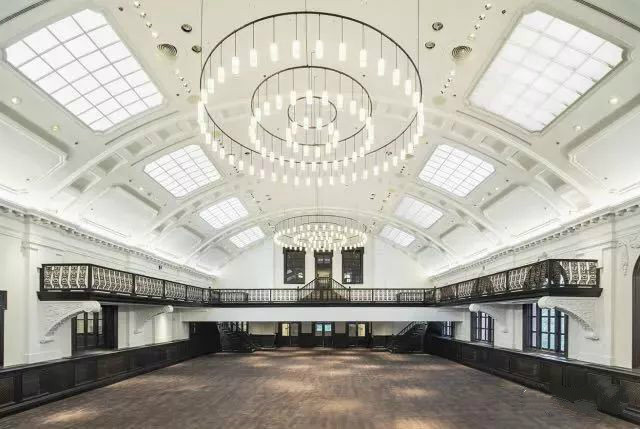
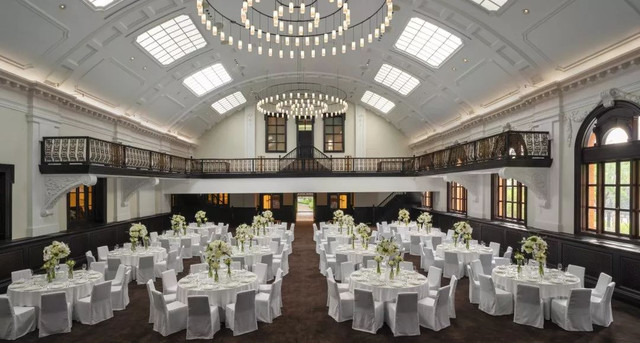
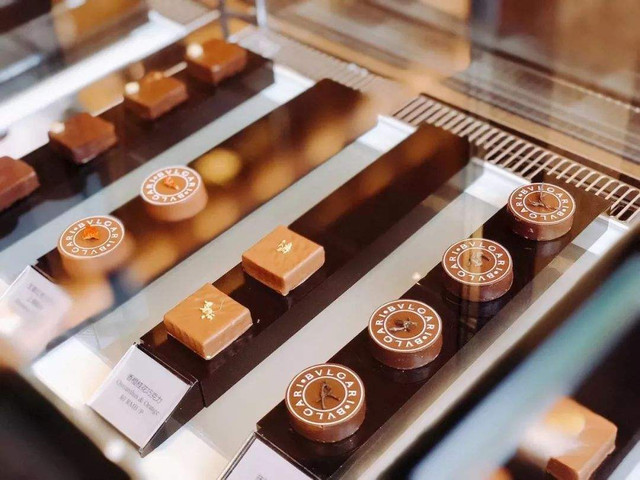
Cross the Henan Road Bridge in front of Zi Yu Ju Hotel (The Bund Branch), and you’ll find the former site of the Shanghai General Chamber of Commerce. Over the past century, this site has pioneered many "firsts": the first commercial library, the first draft of a commercial law, the first monthly report of the *General Chamber of Commerce*, the first commercial arbitration office, and the first generation of Chinese industrial entrepreneurs... Today, the world’s sixth and China’s second Bulgari Hotel has been established here. The three-story building of the Shanghai General Chamber of Commerce, once a dominant force in old Shanghai, has become Bao Li Xuan, the only Chinese restaurant among the six Bulgari hotels globally, serving Michelin one-star Cantonese cuisine. The adjacent 48-story skyscraper is the Bulgari Hotel. On the first-floor lobby, there’s China’s first Bulgari chocolate boutique, where every chocolate bears the Bulgari logo. As for the price, well, over 100 yuan per piece!
03 Broadway Mansions (He Bin Building)
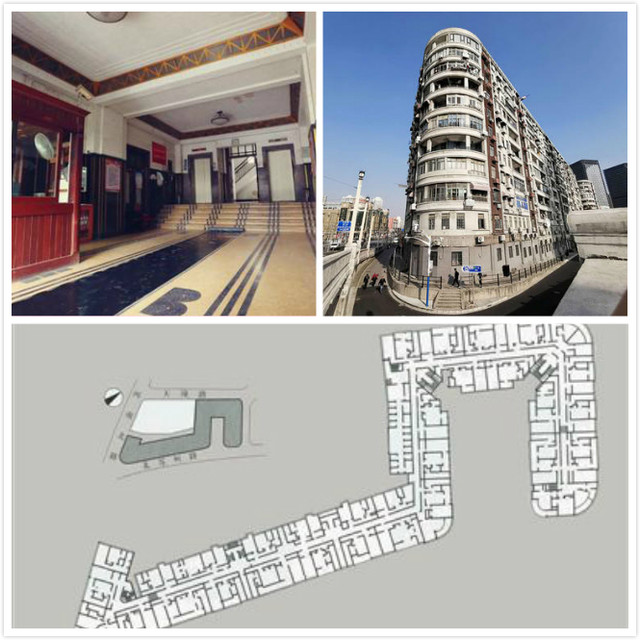
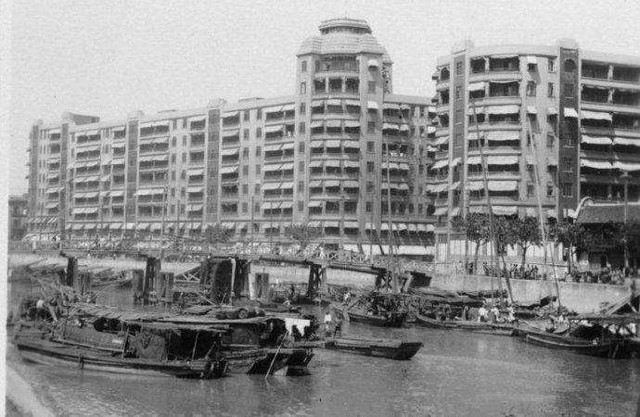
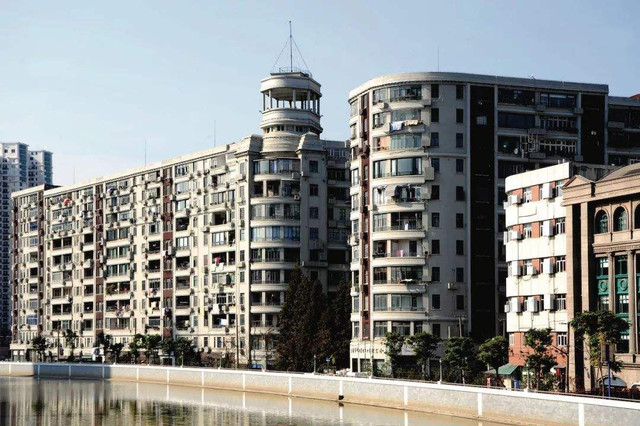
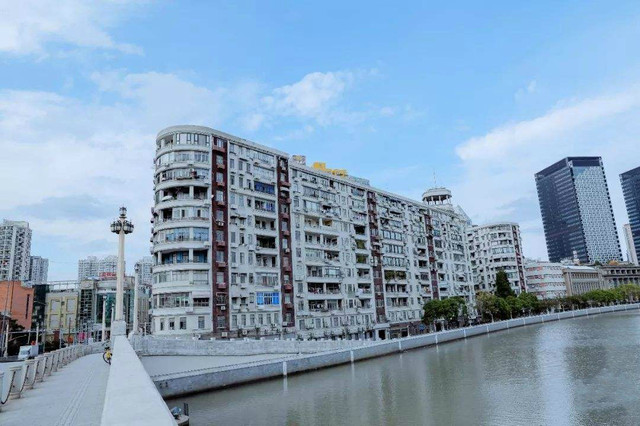
Across the street from the Shanghai General Chamber of Commerce stands the renowned Broadway Mansions. This "∽"-shaped building, covering 7,000 square meters, was constructed by Sassoon & Co., the largest real estate developer in Shanghai at the time. It was the largest single apartment building in Shanghai by total floor area, dubbed the "Far East’s First Apartment Building." The entire structure could house over 700 households, more than 2,000 people, and even had a swimming pool on the ground floor. Broadway Mansions was Shanghai’s earliest "waterfront residence," initially rented mainly by British, American, and Spanish tenants. Later, many famous British and American film companies were stationed here until after the founding of the People’s Republic of China, including:
- Universal Pictures (USA)
- Columbia Pictures (USA)
- Metro-Goldwyn-Mayer (MGM, USA)
- The Motion Picture Association of America
- RKO Pictures (USA)
- United Artists (USA)
- British Lion Films (UK)
After liberation, Broadway Mansions housed many senior intellectuals, historians, and painters. There are multi-million-yuan luxury residences here, as well as tiny rented rooms of just 7–8 square meters. More than 80 years later, much of the building retains its original appearance, with an authentic British retro style. Ann Hui’s film *The Postmodern Life of My Aunt*, starring Chow Yun-fat, Zhao Wei, and Siqin Gaowa, was also shot at Broadway Mansions.
04 Shanghai Postal Museum
If there’s one of the most beautiful buildings along Suzhou Creek, it’s the Shanghai Postal Museum, located to the right of Broadway Mansions, beside the Sichuan Road Bridge. Originally known as the Shanghai General Post Office, it was one of the top ten buildings in Shanghai at the time. With ancient Roman Corinthian columns, an Italian Baroque clock tower, Greek mythological sculptures symbolizing communication and connection, a dreamy golden spiral staircase, and the "Far East’s First Hall" capable of accommodating six basketball teams... it’s gorgeous, and every photo turns out stunning!
The Shanghai Postal Museum is China’s first postal museum, displaying replicas of representative postal history items such as horse-drawn carriages, mail ships, automobiles, trains, and airplanes, along with a postal counter from the Qing Dynasty, a high-tech RFID mail sorting prototype, and a ring-screen theater (currently closed). The fifth-floor rooftop garden offers views of the clock tower and sculptures, overlooking the entire Suzhou Creek and the Bund, but it is also currently closed. Additionally, the museum showcases many precious stamps and postmarks, such as the Penny Black with a Maltese cross cancellation, China’s first set of stamps (the Large Dragon stamps), the world’s first stamps from various countries (top 50), and stamps of various special forms. This is a museum rich in content and well worth visiting, and admission is free. It’s best to book in advance; opening hours are Wednesday, Thursday, Saturday, and Sunday from 9:00 AM to 5:00 PM, with last entry at 4:00 PM. The exterior at night is also beautifully illuminated!
05 Sihang Warehouse Memorial Hall of the War of Resistance
After visiting the Postal Museum, exit and turn right, walk west along Tiantong Road for 300 meters, take Metro Line 12 for one stop to Qufu Road Station, then walk another 300 meters to reach the Sihang Warehouse. Of course, if you’re energetic and have good stamina, you can also walk directly from the Postal Museum along Suzhou Creek to the Sihang Warehouse, about 1.5 kilometers, taking 20–30 minutes. The Sihang Warehouse was jointly funded by four banks—Yanye, Jincheng, Zhongnan, and Dalu—known as the "Four Northern Banks." This five-story reinforced concrete building, covering 11,984 square meters, was the largest and most structurally robust warehouse on the north bank of Suzhou Creek at the time. Those who have seen *The Eight Hundred* will be familiar with the history of the Defense of Sihang Warehouse. If you haven’t seen it, I recommend watching the film before your visit. Afterward, seeing the bullet-riddled traces left on the walls from that era will evoke a very different emotional response. The Sihang Warehouse Memorial Hall of the War of Resistance was established on the original battle site and is currently a major hotspot—be sure to book in advance to avoid disappointment. It’s closed on Mondays! The exhibition is divided into six sections, opening with a letter written by Xie Jinyuan to his wife, Ling Weicheng, before he headed to the Shanghai front. The museum’s treasures are two sets of photographs: "The Sihang Warehouse in the Flames of War" and "The Lone Army Withdrawing from the Sihang Warehouse."
06 Sihang Tiandi + Sihang 195 Creative Park
To the right of the Memorial Hall, there’s a beautiful red building—this is "Sihang Tiandi." Originally a Bank of China warehouse built in the 1930s, it was later redesigned by renowned Chinese architect Luke Him Sau and transformed into a high-end industrial park. To the left of the Memorial Hall, walking about 130 meters along the river, you’ll find Sihang 195 Creative Park, Shanghai’s earliest creative park—TS Creative Warehouse. This building is actually part of the Sihang Warehouse complex and was one of the battle sites back then. Plus, it was co-designed by the famous Jewish architect László Hudec, who also designed the Park Hotel!
07 Former Site of Fuxin Flour Mill No. 1 / Suhe Art Center
This is the property of the illustrious Rong family, founded by Rong Zongjing and Rong Desheng (father of Rong Yiren, former Vice President of the People’s Republic of China) as their first flour mill. The trademark used, "Warship" (Bingchuan), is the No. 1 registered trademark in China’s trademark registration history. The Rong family eventually owned 12 flour mills, with output accounting for about one-third of the national private flour industry, earning them the title "Flour Kings