Xiangcheng: A Floral Paradise Just North of Suzhou
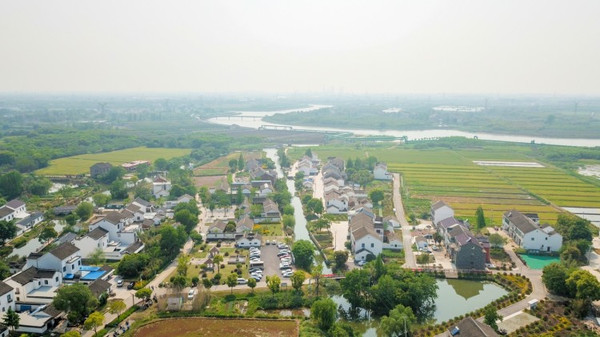
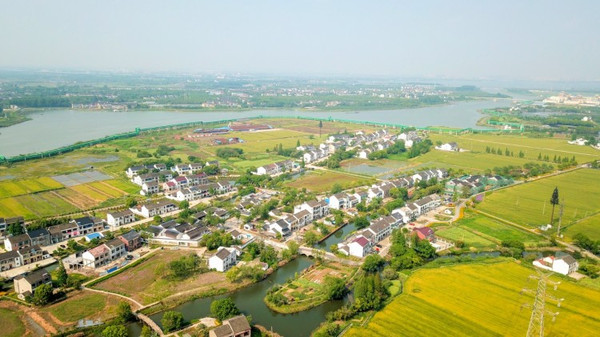
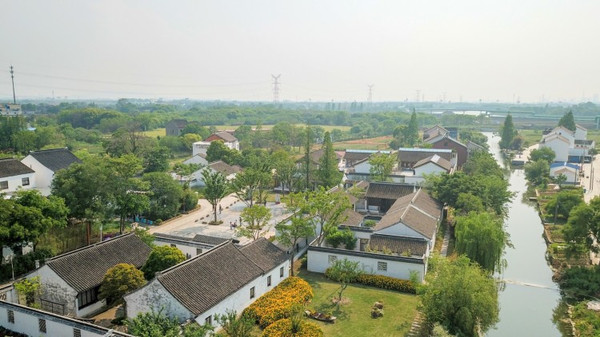
The name Xiangcheng goes back over two thousand years, to when Wu Zixu, a minister of the Wu Kingdom during the Spring and Autumn period, tasted the soil and studied the heavens before choosing this spot by Yangcheng Lake to build his city. Today, Xiangcheng sits just north of Suzhou proper. It may not be hairy crab season right now, but the countryside here is absolutely perfect for a family getaway.
Getting to Know Xiangcheng
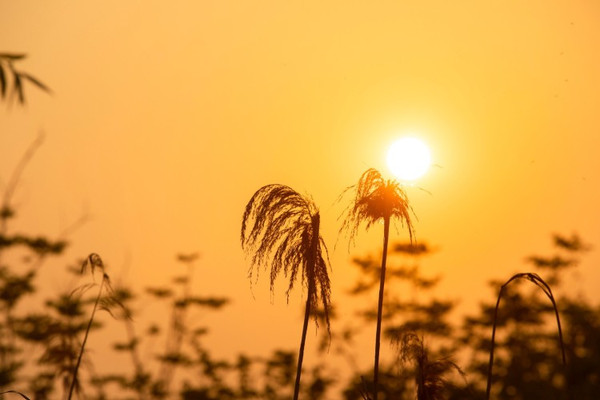
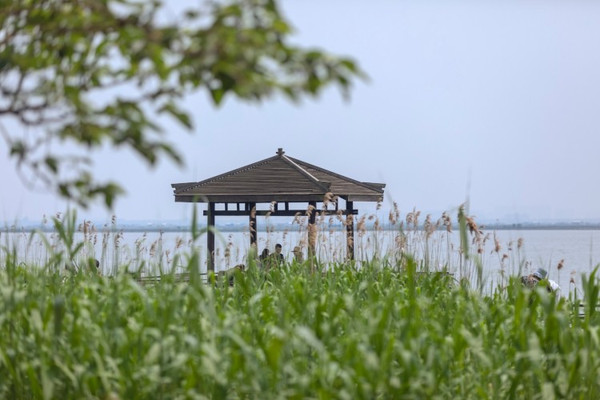
Watch a sunset in Wangting
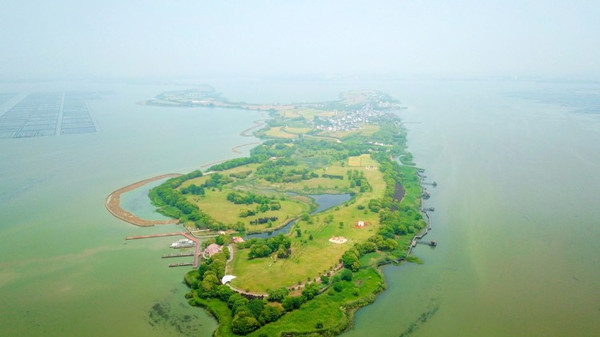
Spend a day living like a fisherman on Lotus Island, drifting along in a little boat.
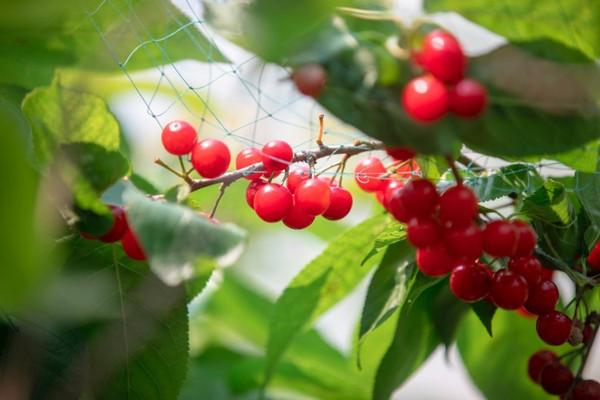
Pick cherries along the Wangyu River.
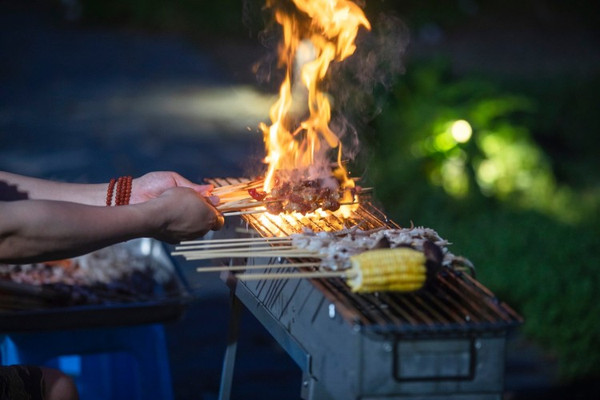
Throw an epic house party at Cunchang Lake House in the Handcraft Village.
Feed the cute farm animals in the fields.
Wander through the flower and botanical gardens and discover the magic of rare old trees.
Swing on a swing and have a picnic in the romantic sea of roses at the Rose Garden.
In Feng Menglong Village, soak up the cultural legacy and official philosophy of the great literary master Feng Menglong.
Walk along the lotus boardwalk on Lotus Island and breathe in the fresh air.
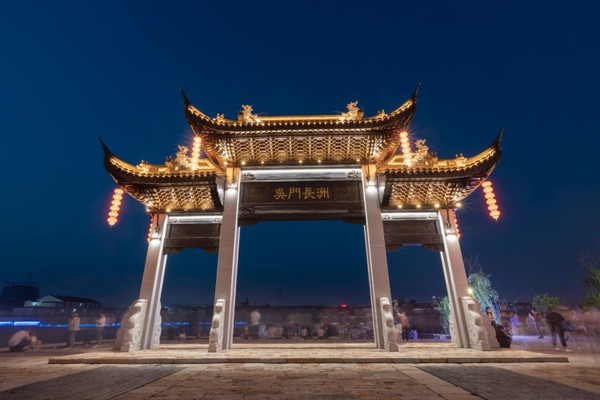
By the canal in Wangting, listen to a gentle "Rice Fragrance Serenade."
Getting There
By air: Within a 1.5-hour radius, you have five international airports to choose from: Shanghai Hongqiao, Shanghai Pudong, Hangzhou Xiaoshan, Sunan Shuofang, and Nanjing Lukou.
By car: Xiangcheng has some of the best transport links in Suzhou and the entire Yangtze River Delta. With four major junctions (Jinghu, Sujiahang, Suxi, and the Suzhou Ring Expressway) and fourteen highway exits, driving here from anywhere in the region is a breeze.
By train: There are four main railway stations in Suzhou.
1. Suzhou Station – The main station and the largest, serving the Jinghu (Shanghai-Nanjing) line and the Shanghai-Nanjing Intercity High-Speed Railway.
2. Suzhou North Station – Also known as the High-Speed Rail North Station, located in the northern part of Xiangcheng. It's a long way from Suzhou Station (over 15 km), and serves the Beijing-Shanghai High-Speed Railway, mostly fast bullet trains.
3. Suzhou Park Station – East-northeast of Jinji Lake in the Industrial Park, and fairly close to the Yangcheng Lake Eco-Tourism Resort.
4. Suzhou New District Station.
For getting to Xiangcheng, both Suzhou North Station and Suzhou Park Station are convenient. Suzhou North is a high-speed rail hub with frequent trains, and it sits right next to Xiangcheng, making it easy to explore Xiangcheng Old Street and track down the Eight Wonders of Xiangcheng. If you'd rather come in from Xinghu Street onto Meiren Leg for a reverse tour of the area, Suzhou Park Station works great too.
By bus: Suzhou currently has six long-distance bus stations: South Station, North Station, the North Square Station next to the railway station, Wuzhong Station, West Station, and the High-Speed Rail North Station Bus Terminal.
A. Suzhou North Bus Station: A blend of classical Jiangnan garden style and modern architecture.
B. Suzhou Nanmen Bus Station: At 601 South Ring East Road, this is the newest and largest bus station in the city.
C. Suzhou North Square Bus Station: On the west side of the North Square at the railway station. Buses from here mainly go to cities along the Shanghai-Nanjing corridor, northern Jiangsu, and within greater Suzhou.
D. Suzhou New District Bus Station (also called West Station): At the intersection of Changjiang Road and Jinshan Road (78 Jinshan Road) in the New District, close to Metro Line 1.
E. Wuzhong Bus Station: 10 Guangjian Road, Wuzhong District.
One common point of confusion: the North Bus Station and the North Square Bus Station are two different places. Both are in Xiangcheng and not far from the railway station. The North Square Station is literally right next to the train station, adjacent to Metro Line 2, and for travelers coming from nearby cities like Hangzhou or Wuxi, it's the quickest and most convenient option.
Suggested Itinerary
Day 1
Morning: Feng Menglong Village / Former Residence / Memorial Hall / Academy / Farming Culture Park
Afternoon: North Taihu Scenic Area in Wangting / Changzhou Garden
Dinner: Yilu Daohua
Evening: Wangting Canal Park
Stay: Moshe Guesthouse in Wangting
Day 2
Morning: Cherry picking at Wangyu Renjia
Afternoon: Yangcheng Lake Eco-Tourism Resort / Zaowuyuan · Liujiazhuang Handcraft Village
Stay: Cunchang Lake House
Day 3
Morning: Lotus Island
Afternoon: Rose Garden
Stay: Yueji Dielai Hotel
Day 4: China Flower Botanical Garden, then depart.
Feng Menglong Village
Feng Menglong Village is in Huangdai Town, Xiangcheng District. The famous folk literature master Feng Menglong was born here, and the village was officially renamed from Xinxiang Village in his honor.
Since the renaming, the village has leaned into its connection to this cultural giant, weaving together a specialty fruit base, the Liangdanggang wedding canal, the beautiful countryside scenery, Huanggongdang Leisure Farm, and the Feng Menglong Farming Culture Park. The goal is to build a new kind of countryside that combines specialty agriculture, eco-tourism, and cultural heritage.
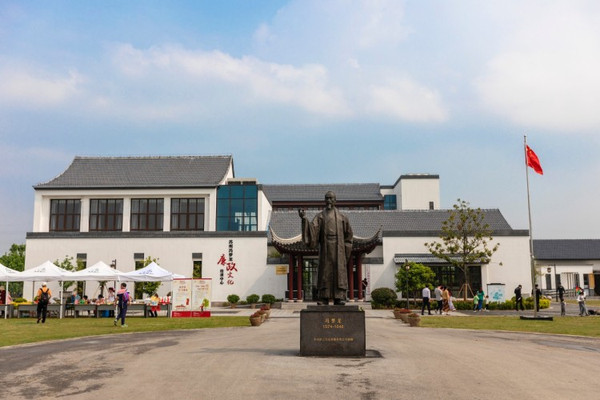
Feng Menglong Village is also a Red Education base in Xiangcheng. A training center currently doubles as the visitor center—the real one is still under construction. In front of the training center is a huge grassy square where villagers gather for events; last year's Farmers' Harvest Festival was held right here.
At the entrance to the training center, there's a creative farmers' market from the Red May activities—Chinese sugar painting, local snacks, specialty rice, and seasonal fruit, all in abundance.
Feng Menglong Village
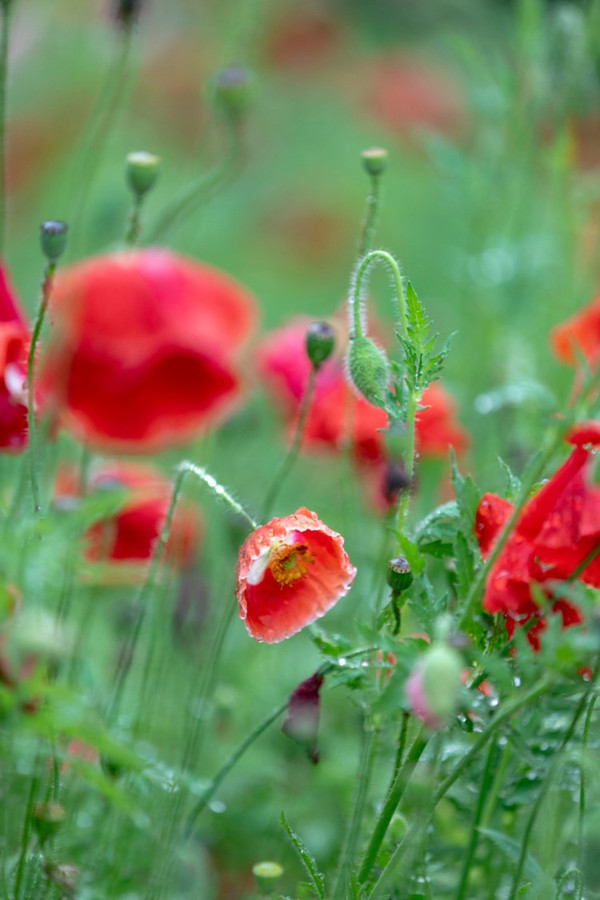
Around the training center are independent orchards growing kiwis, bayberries, yellow peaches, grapes, and more. It's not harvest season yet, but the walls around the orchards are covered in blooming roses in every color—red, pink, white. Absolutely gorgeous and very much worth a photo stop.
Feng Menglong Village
The roses are lush and varied in color—red, pink, white—and they make for beautiful photos!
Feng Menglong Village
Feng Menglong Village
Feng Menglong Village
Feng Menglong Village
Feng Menglong Village
Feng Menglong Village
Feng Menglong Village
East of the training center is a quiet ecological park filled with all kinds of flowers in bloom.
Inside, you can take a boat out on the lake, and plenty of people come here to fish or cycle.
Feng Menglong Village
There are three main stops in Feng Menglong Village: the training center, the former residence/memorial hall/academy, and the farming culture park. They're all fairly close together—about five minutes by car—and the scenic area runs electric shuttle buses between them.
The Former Residence of Feng Menglong
After checking out the visitor center, hop on the shuttle and head to the former residence.
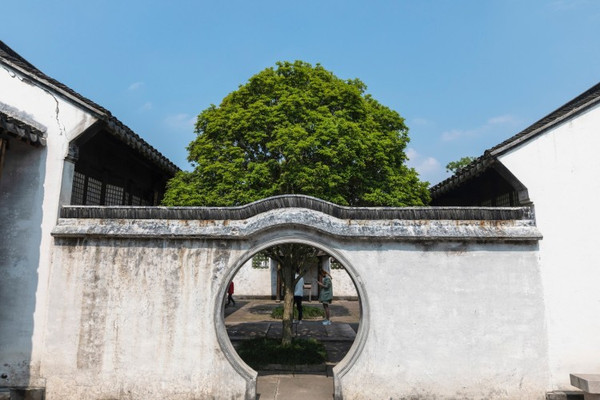
The former residence is at the north end of Feng Gengshang Natural Village. It's a Ming Dynasty house with gray tiles and white walls—the main building in front, living quarters behind, and a spacious courtyard in between. Feng Menglong is said to have lived here until the age of twelve.
The residence is a two-courtyard Jiangnan dwelling. In the first courtyard, the kitchen and a display of farming tools sit on either side. The second courtyard holds the main hall, the bedroom, and the study.
In the side courtyard, there's a private school.
The Feng Menglong Memorial Hall
The memorial hall sits just west of the former residence, built in the Ming-Qing Jiangnan waterside style. It consists of an entry hall and four exhibition halls, covering his official career, literary achievements, Wu-region roots, and cultural research to reconstruct the real Feng Menglong.
The entry hall introduces his life. Feng Menglong—one of the greatest folk literature masters in Chinese history—was born right here. On the 440th anniversary of his birth, his birthplace was renamed "Feng Menglong Village." Feng Menglong (1574–1646) was a celebrated writer of the Ming Dynasty. In his Shouning Daizhi, he described himself as "a native of Changzhou (present-day Suzhou), registered under Wu County, Suzhou Prefecture." His collected works exceed 30 million characters, but he's best known for the "Three Words" (Yushi Mingyan, Jingshi Tongyan, and Xingshi Hengyan). He's regarded as a pioneer of vernacular Chinese fiction and a towering figure in folk literature.
The Feng Menglong Academy
West of the memorial hall is the Feng Menglong Academy, which has become a trendy new library worth checking out in Xiangcheng.
On the second floor is a study hall done in Japanese karesansui style, with a round doorway that's perfect for photos. The academy is large—over a thousand square meters—and holds the most complete collection of Feng Menglong-related books anywhere. It's