A Leisurely Two-Day Escape to Putuo Mountain: Day One on the Main Island, Day Two on Luojia Mountain
Getting There:
The only way to reach Putuo Mountain is by ferry, and there are two departure points to choose from.
(1) Zhujiajian Wugongzhi Pier to Putuo Mountain:
This pier is noticeably bigger and fancier than Banshengdong Pier, with an exterior that resembles the Potala Palace. Ferries start running at 6:20 AM and continue until 9:50 PM, with frequent departures throughout the day. During the daytime, you'll find fast speedboats; at night, regular ferries take over.
(2) Shenjiamen Banshengdong Pier to Putuo Mountain:
The first boat leaves at 6:00 AM and the last at 5:00 PM. Both fast boats and hourly regular ferries are available. This pier is older and also serves routes to Dongji Island and Baisha, so it can get pretty crowded. There's road construction happening nearby, so if you're driving, expect to take a detour.
Tickets:
The main entrance ticket to Putuo Mountain varies by season. During the off-season (December to January), it costs 140 yuan; during peak season (February to November), 160 yuan. Discounts are available:
(1) Children under six years old (or under 1.2 meters tall) enter for free, while minors aged six to eighteen get half-price tickets.
(2) Seniors aged seventy and above enter for free, and those aged sixty to sixty-nine get half-price tickets.
Tips:
During Chinese New Year (the first to fifth day of the first lunar month), May 1st to 3rd, and October 1st to 5th, tickets cost 200 yuan per person. The entrance ticket doesn't cover the incense tickets at temples or the ticket for Luojia Mountain.
Accommodation:
(1) There are quite a few star-rated hotels on Putuo Mountain, most of which offer pick-up service from the pier. Prices are reasonable. Options include the Radisson Manor, Putuo Hotel, Xiangsheng Hotel, Kaiyuan Guan Tang, Xilei Xiaozhuang, and Luyuan Ge Boutique Hotel, among others.
(2) Guesthouses scattered around the mountain are budget-friendly, and the hosts are genuinely attentive. They'll come pick you up at the entrance and deliver your luggage to the pier when you leave—pretty thoughtful service all around.
(3) Temple lodgings for pilgrims are basic but cheap.
Candy, candy, candy!
Suggested Itinerary:
I stayed at a guesthouse near Fayu Temple and followed the route recommended by the owner. After going through it, I have to say it's a solid plan.
(Day One, Morning) From Fayu Temple, take the shuttle bus to Nanhai Guanyin—Zizhulin—Bukenqu Guanyin—Baibu Sha.
Start the morning by taking the bus to Nanhai Guanyin, then visit Zizhulin. The open-air statue of Guanyin is the main highlight here, believed to bring peace and good health. After paying your respects, head to Zizhulin nearby, which houses the Bukenqu Guanyin temple.
(Day One, Afternoon) Take the bus to Puji Temple—then hike up to Xitian Scenic Area—return the same way and catch a bus to the Putuo Mountain Cable Car Station—Foding Mountain—Huiji Temple—take the cable car down—Wanfo Pagoda—Baotuo Lecture Temple—then another bus ride back to Fayu Temple.
(Day Two) At 9:00 AM, head to Duangu Pier and catch the boat to Luojia Mountain. Boats to Luojia leave at 7, 8, and 9 in the morning, with one returning at 1:30 PM. You can leave your luggage at the pier. After exploring, come back and wander around Duangu Pier, Xitian Scenic Area, and Ciyun Temple.
Dining:
The temple vegetarian meals are both affordable and tasty.
(1) Puji Temple: breakfast from 5:30 to 7:00 AM at 5 yuan per person; lunch from 10:30 to 12:00; dinner from 4:30 to 5:30 PM at 10 yuan each.
(2) Huiji Temple: lunch only, from 10:30 to 11:50, 10 yuan per person.
(3) Fayu Temple: lunch from 10:30 and dinner from 4:15 PM, both 10 yuan per person.
Tips:
The mountain is full of towering camphor trees that block out the sun, so even in summer, it doesn't feel too hot—there's a pleasant coolness. But with all that greenery comes plenty of mosquitoes, so come prepared. And if you're hitting the beach, don't forget sunscreen.
Putuo Nantianmen Scenic Area:
Getting there is easy—no shuttle bus needed. The Nantianmen Scenic Area is just past the entrance, so you can walk right over. It's a great spot to save for the last day, and you can even store your luggage at the scenic area office.
Why it's worth it:
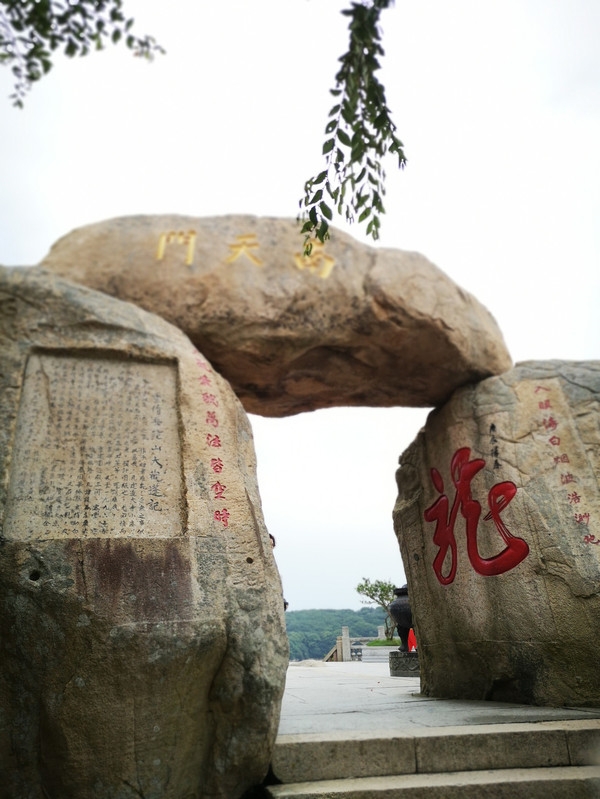
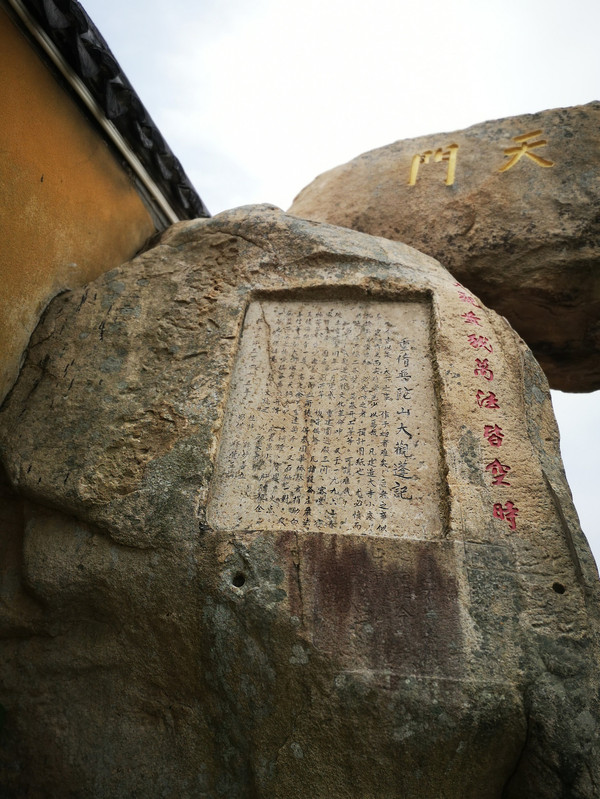
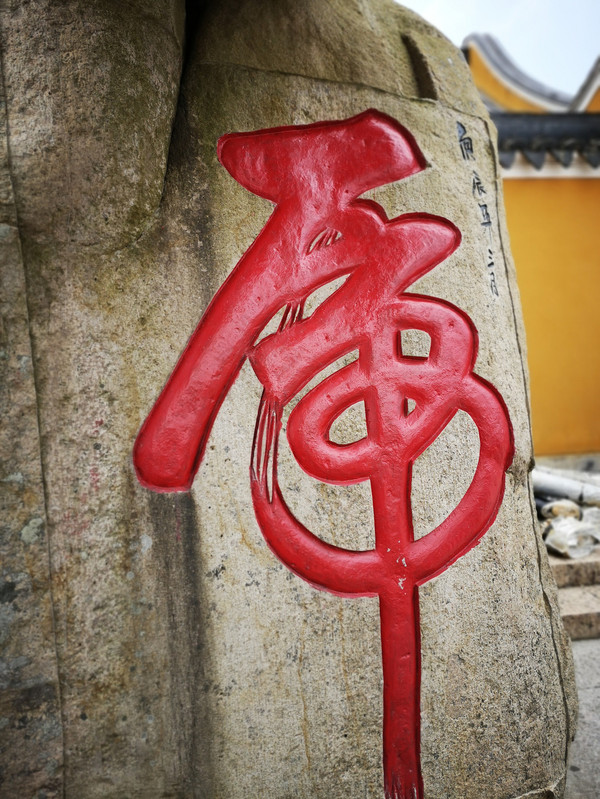
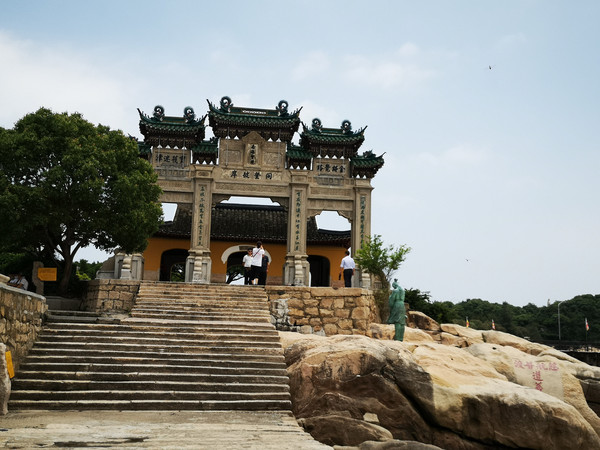
Nantianmen sits near the main gate of Putuo Mountain. Follow the small path from the pier at Duangu Shengji, and you'll find it. Originally a small island, it's compact but stunning. At the end of the path, there's a natural stone archway carved with the words "Nantianmen" on top.
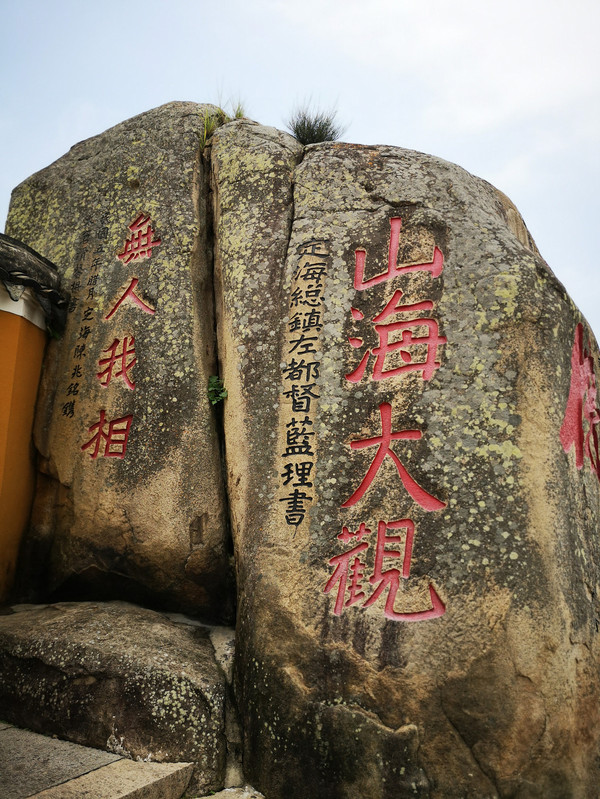
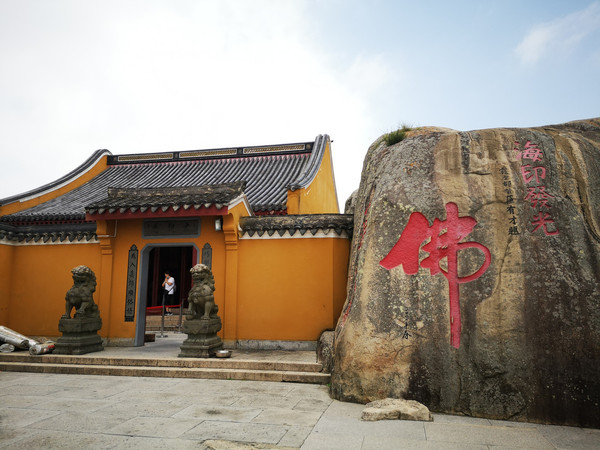
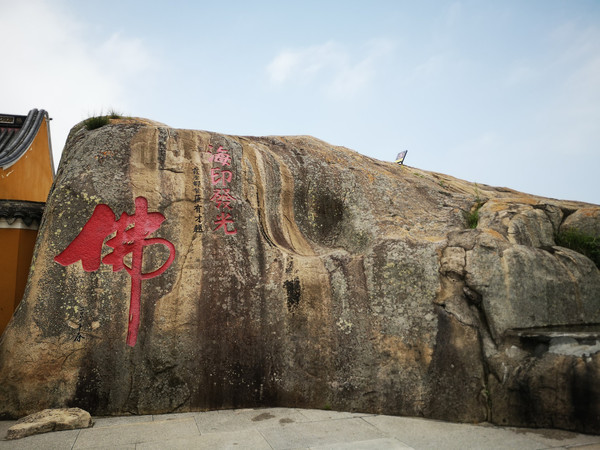
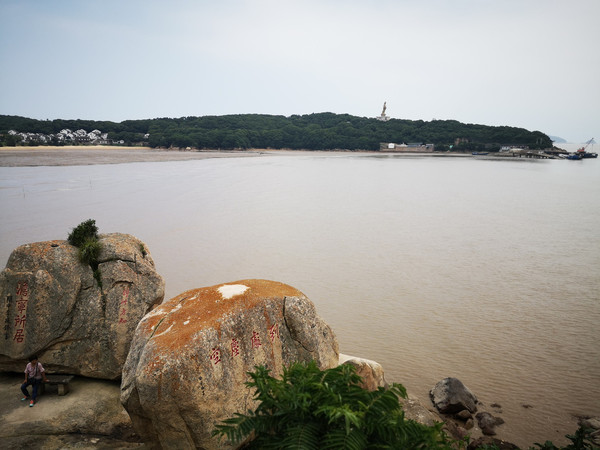
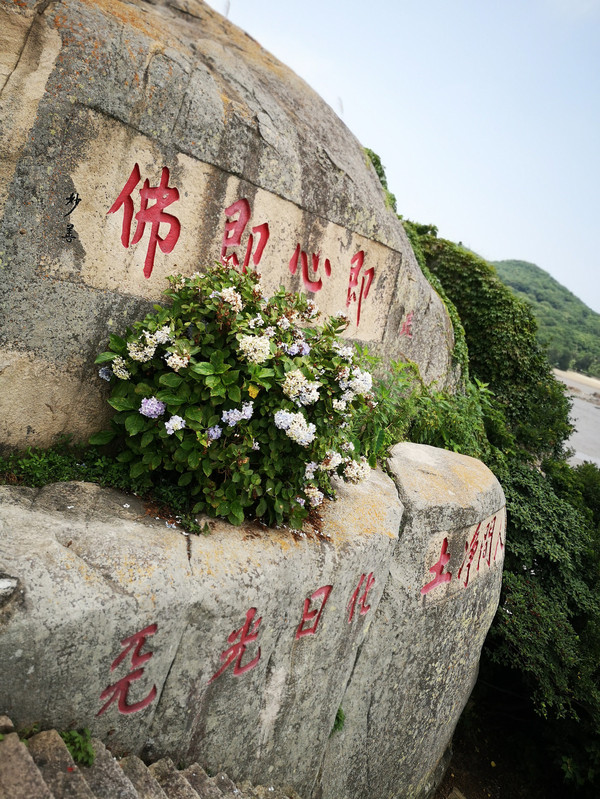
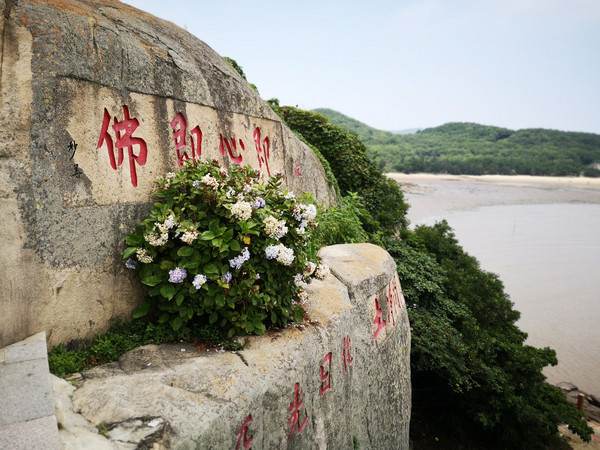
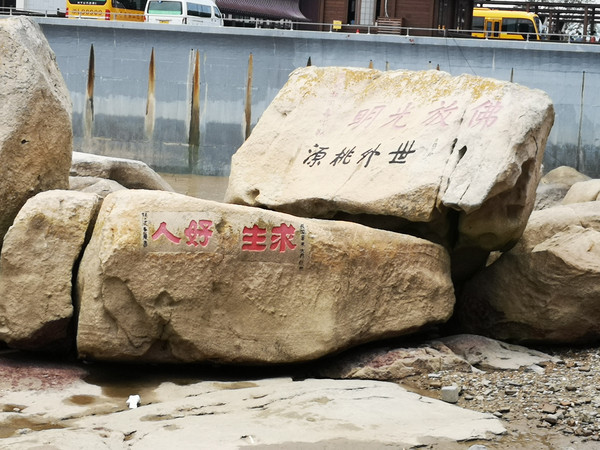
The island's natural boulders are massive and smooth, with "cliffside inscriptions" carved into many of them. There's also a small temple where you can go in and pay your respects. The views here are fantastic—you can see the towering Nanhai Guanyin statue straight ahead, as well as the ferries heading to and from Luojia Mountain.
Duangu Pier:
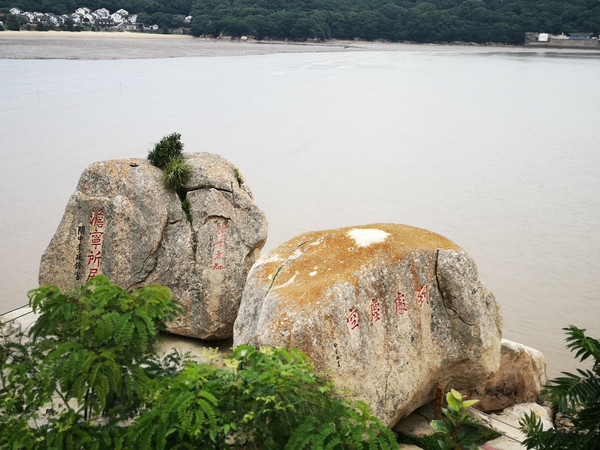
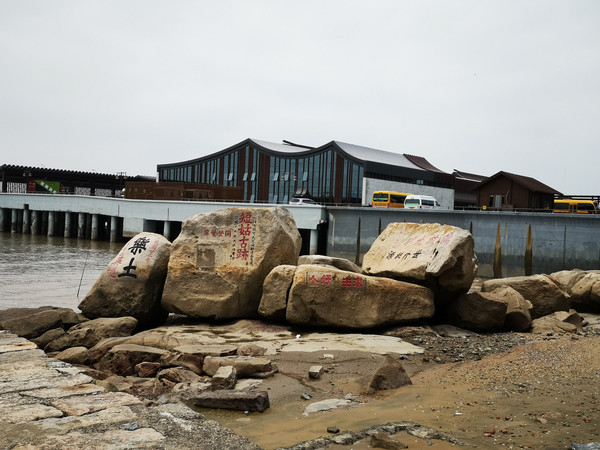
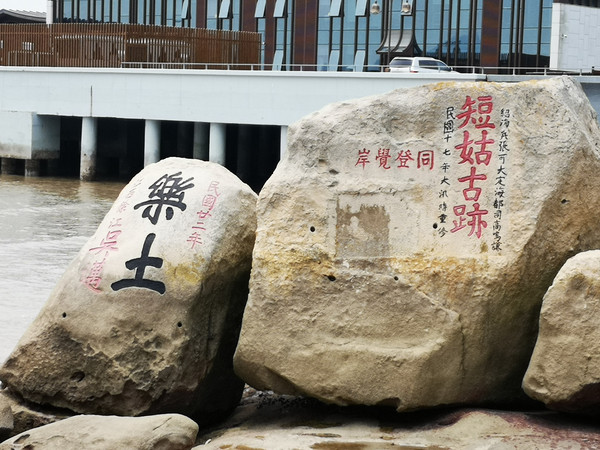
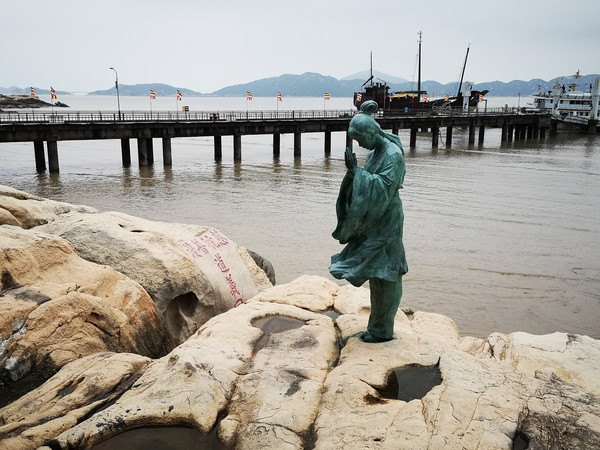
This spot used to be a beach with a stone stretch over ten meters wide and about a hundred meters long. The rocks here are scattered in all sizes and shapes, and fourteen inscriptions are carved into them, including "Duangu Historic Site," "Cihang Pudu," "Daoyi Tonggui," "First Buddhist Land," and "Land of Bliss."
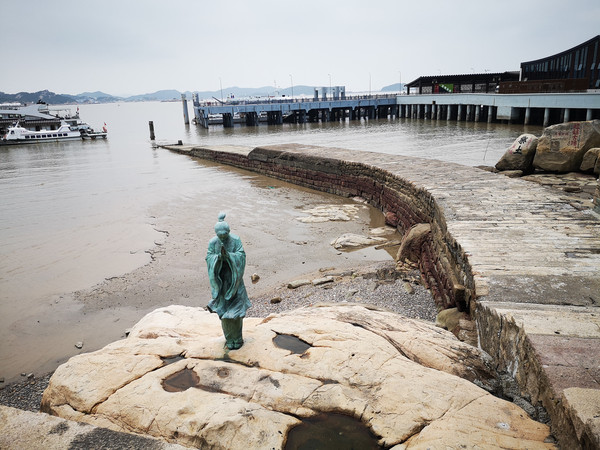
On the pier, you'll see large rocks with carvings, a memorial archway, and a bronze statue of a figure with palms pressed together in prayer. There's also an old stone causeway.
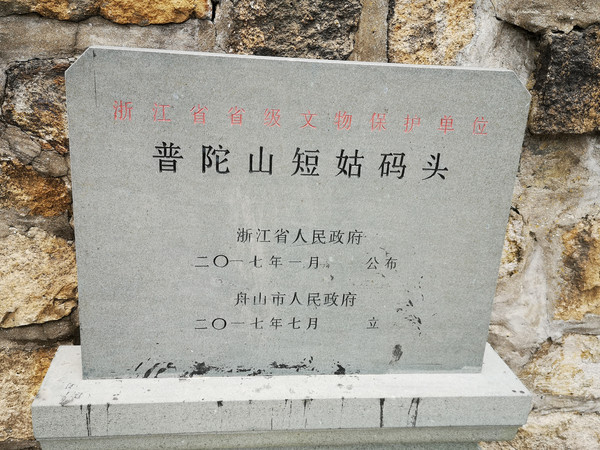
Duangu Shengji, also known as Duangu Daotou or Duangu Historic Site, sits on the southwestern coast of the island. It was once a natural stone dock and the only landing point for pilgrims arriving by boat. The boarding point for Luojia Mountain is just a short distance from Duangu Pier.
Ciyun Temple:
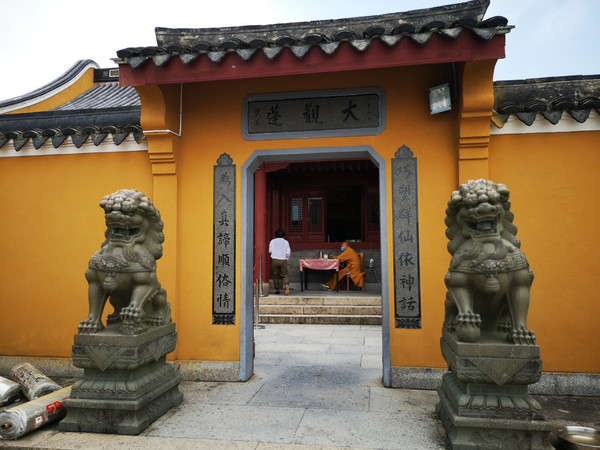
This temple enjoys a prime location right next to Duangu Pier. It's the closest temple to the main Putuo Mountain passenger terminal—just a five-minute walk—making it the perfect final stop before you leave the island. Many pilgrims visit it after returning from Luojia Mountain. It's a good place to pray for safety.
Why it's worth a visit:
The temple gate is elegant and unique, and the temple itself is built on rocky terrain right against steep sea cliffs, so you can hear the waves crashing below. Inside, you'll find a gleaming wooden corridor with intricate colorful carvings. Beyond the woodwork, there are clay and brick sculptures decorating the main hall, and the doors feature carvings depicting scenes from the Journey to the West. The main hall, Yuan Tong Hall, has a plaque reading "Sea Moon and Tidal Sound," written by the late abbot Miao Shan. Inside, a serene statue of Guanyin sits with a kind, moon-like face, flanked by Shancai on the left and Longnü on the right. You can also take a small statue of Guanyin home to enshrine if you wish—a way to forge a karmic connection.
There's also a family of adorable cats living in the temple. The mother cat has raised a lively bunch of kittens, all a bit skinny but happily playing and growing up in the peaceful temple grounds.
Nanhai Guanyin Scenic Area:
Take the shuttle bus to the Zizhulin stop, and from there, it's a short walk to the Nanhai Guanyin statue. The statue stands 33 meters tall in total—13 meters for the base, 18 meters for the bronze figure itself, and a 2-meter lotus pedestal. It weighs over 70 tons. The railings are decorated with carved stone lions, and the surrounding trees are so thick they block out the sun, keeping things cool even in summer. The island's coastal scenery is beautiful, and there's a small temple nearby called Xifang Jingyuan. Across the water, you can see Luojia Mountain. The rocks along the shore are a striking purplish-red.
Zizhulin:
The rocks here have a purplish-red hue, and when you split them open, you can see patterns resembling cypress and bamboo leaves—hence the name "purple bamboo stone." Later, people planted actual purple bamboo here as well.
In the fifth year of the Later Liang Zhenming era (916 AD), a Japanese monk named Huie brought a statue of Guanyin back from Mount Wutai. When his ship was blocked by wind near this coast, he