China's northernmost major city, famous for its spectacular winter ice festival and fascinating blend of Chinese and Russian architectural heritage.
China's Ice City where Russian architecture meets northeastern soul
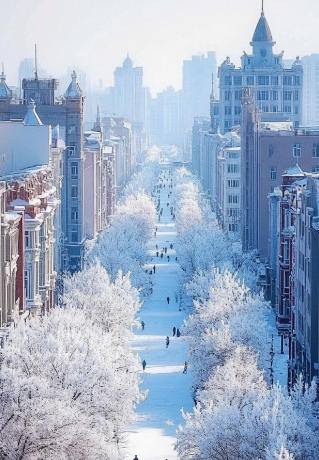
Harbin, known as China's Ice City, is a fascinating blend of Russian elegance and northeastern Chinese grit. Founded in 1898 when the Russian Empire built the Chinese Eastern Railway through the region, the city developed a unique architectural and cultural identity that sets it apart from anywhere else in China. Walking through Harbin's streets, you'll encounter Orthodox churches with golden onion domes, Baroque and Art Nouveau buildings from the early 1900s, and a culinary scene that fuses Russian borscht with Dongbei dumplings. This is a city where -30Β°C winters are not endured but celebratedβwith the world's largest ice festival, outdoor ice swimming, and the local tradition of eating Madier ice cream in the freezing cold.
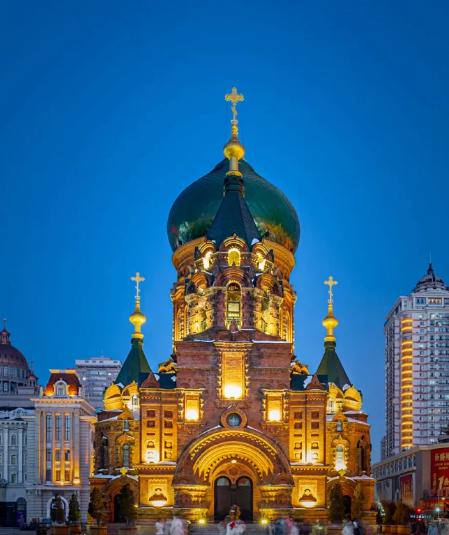
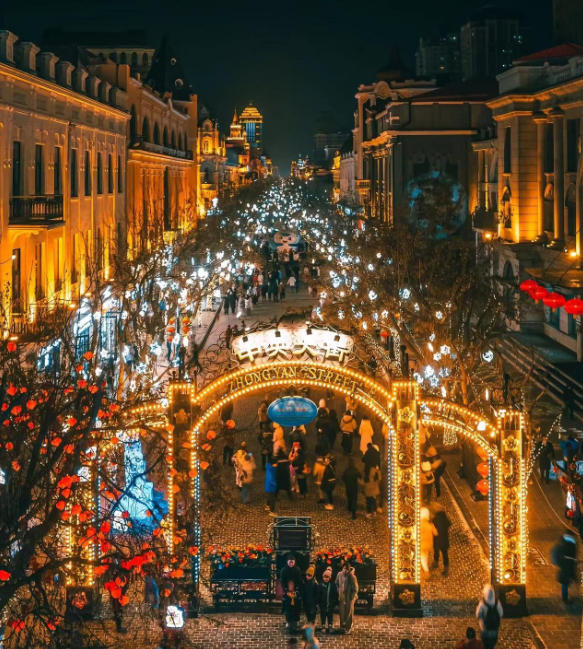
Beyond its winter spectacle, Harbin offers a rich tapestry of history and culture. The city's Russian heritage is visible in St. Sophia Cathedral, a magnificent Byzantine-style church built in 1907 that now houses a museum of architecture. Central Street (Zhongyang Dajie), a 1.4-kilometer pedestrian avenue lined with European-style buildings, was once the commercial heart of a cosmopolitan city that hosted Russian, Jewish, Polish, and Japanese communities. The Songhua River, which flows through the city, becomes a massive playground in winterβfrozen solid enough to support ice sculptures, sledding, and even driving. In summer, the riverfront offers pleasant walks and the chance to see the city's more relaxed side.
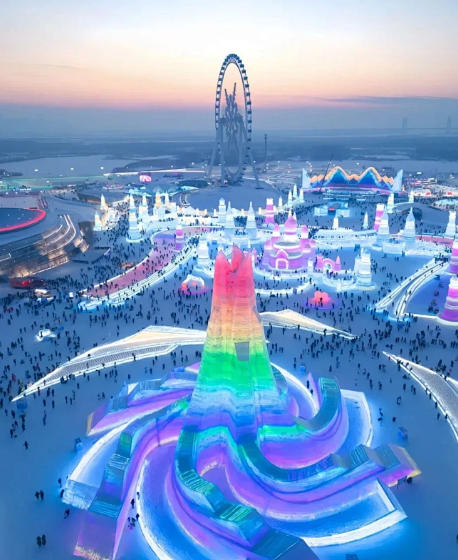
Harbin is also the gateway to China's wild northeast, a region of vast forests, volcanic mountains, and Siberian tigers. The city's cuisine reflects its northern latitudeβhearty iron pot stews, crispy guo bao rou (sweet and sour pork), and smoked red sausage with Russian roots. The annual Harbin International Ice and Snow Sculpture Festival, held from January to February, transforms the city into a wonderland of illuminated ice palaces, slides, and art installations that draw visitors from around the world. Whether you come for the ice, the architecture, the food, or the chance to experience China's most European city, Harbin offers an unforgettable encounter with a side of China that most travelers never see.
From ice palaces glowing in winter darkness to century-old Orthodox cathedrals
A 1.4km European-style pedestrian street lined with Renaissance, Baroque, and Art Nouveau buildings from Harbin's golden age. The cobblestone pavement and histo...
Learn More β
A stunning Russian Orthodox cathedral built in 1907, this Byzantine-style church with its green onion dome stands as a reminder of Harbin's Russian heritage. No...
Learn More β
The world's largest ice and snow festival, featuring massive illuminated ice sculptures, castles, and slides carved from frozen Songhua River blocks. A magical ...
Learn More βWhere -30Β°C winters are celebrated with ice festivals, iron pot stews, and ice cream

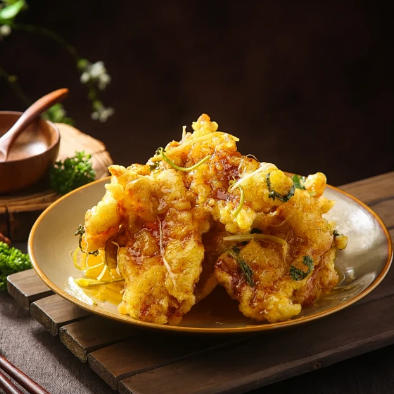
Harbin's signature dish β crispy deep-fried pork slices coated in a sweet and sour sauce. The meat is tender inside, the batter shatteringly crisp, and the tangy vinegar glaze addictive. Invented in the early 1900s to suit foreign diplomats' tastes, it has become northeastern China's most beloved dish.
? Try: Chuang Guan (est. 1907) β the restaurant that invented this dish

A smoky, garlicky smoked sausage with a distinctive crimson casing β a legacy of Russian and Eastern European influence in Harbin. The sausage is firm, deeply flavored, and eaten cold or grilled. A perfect street snack on a freezing winter day, it warms the soul as much as the body.
? Try: Qiulin Company (est. 1900) or any street vendor on Central Street

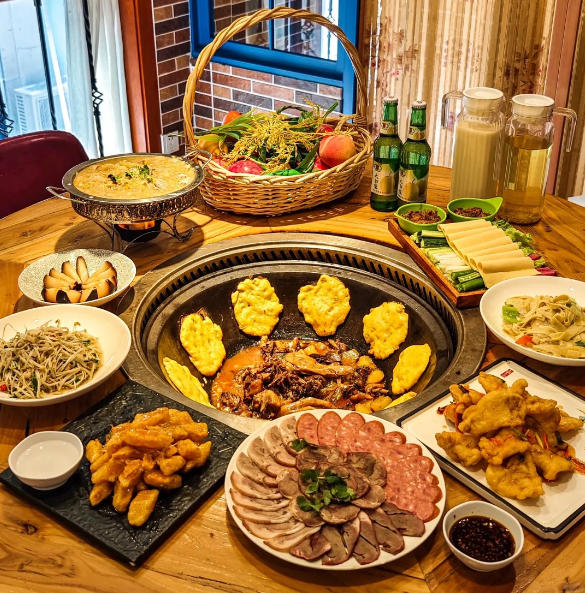
A northeastern specialty β a massive iron pot set into the table, filled with stewing goose, fish, or ribs along with potatoes, tofu, and hand-pulled dough strips. The communal pot is both meal and experience, with ingredients simmering as you eat. Perfect for surviving Harbin's brutal winters.
? Try: Lao Dongbei Tie Guo Dun β authentic atmosphere with traditional clay stoves
A curated plan to explore ice sculptures, Russian heritage, and Dongbei comfort food
Walk this 1.4km European-style pedestrian street lined with Renaissance, Baroque, and Art Nouveau buildings. Admire the Russian, Jewish, and French architecture from the early 1900s.
Harbin's most iconic landmark β a magnificent Russian Orthodox church built in 1907. Now a museum of architecture and art. The green onion dome is stunning against winter skies.
Try Russian-influenced Harbin cuisine β borscht, red sausage, and guo bao rou in a historic setting.
Walk along the frozen Songhua River in winter, or enjoy the riverside promenade in summer. The Flood Control Monument is a city symbol.
Visit the century-old Madier bakery for Russian-style bread and the local tradition of eating ice cream in -20Β°C weather.
Explore this trendy street with bars, cafes, and street performers. Great atmosphere for dinner and drinks.
Visit polar bears, penguins, and white whales in one of China's best polar animal parks. Watch the famous underwater polar bear show.
Experience northeastern China's iconic iron pot stew β goose, fish, or ribs simmering with potatoes and dough strips.
Home to over 500 Siberian tigers β the world's largest breeding base. Ride a caged vehicle through the tiger enclosure for close encounters.
Return to hotel to layer up for the extreme cold of the ice festival. Wear thermal underwear, down jacket, hat, gloves, and hand warmers.
The world's largest ice and snow festival β massive ice sculptures illuminated with colorful LED lights. Ice slides, buildings, and art installations. Arrive at dusk to see both daylight and illuminated versions. Allow 3-4 hours minimum.
Explore the history of northeastern China, from ancient Bohai Kingdom to Russian influence and modern development. Housed in a former Russian palace.
Try Harbin's famous jiaozi β choose from dozens of fillings at a traditional dumpling restaurant.
Historic waterfront area with restored buildings, souvenir shops, and views of the Songhua River. Good for last-minute photos.
Browse Russian nesting dolls, amber, vodka, and other imports at shops near Central Street.
Final Harbin feast β guo bao rou, red sausage, and Madier bread. Say goodbye to China's ice city.
"Multi-city itineraries showcasing the best of China, with Harbin as a highlight"
Harbin β Changbaishan β Jilin. Experience China's frozen northeast β from Harbin's Ice Festival to volcanic hot springs at Changbaishan and rime ice formations along the Songhua River in Jilin.
View Route β
Harbin β Changchun β Shenyang β Dalian. Explore China's industrial heartland β Russian heritage, imperial palaces, coastal cities, and the vast northeastern plains. Best in summer to escape southern heat.
View Route β
Harbin β Shenyang β Beijing. Trace the path of the Qing Dynasty from their Manchurian homeland to the imperial throne in Beijing β palaces, tombs, and the story of China's last dynasty.
View Route βEverything you need to know for a smooth and enjoyable visit
Harbin is the gateway to northeastern China:
Harbin's transport is efficient and affordable:
Best neighborhoods for different travel styles:
Essential know-how for a comfortable visit:
Continue your China journey with these incredible nearby destinations
Let us help you plan the perfect trip to China's magnificent capital