4 Days and 3 Nights in Pu'er: Dai Villages, Mountain Hot Springs, and Local Flavors—Worth Every Moment!
The life I dream of is a little cabin in the mountains, waking up to sunlight every day, watching light and shadow dance on white gauze curtains, the person I love beside me. I get up, push open the window, and I'm greeted by a warm forest breeze, the chirping of insects and birds filling my ears. The one I love is right there—a single embrace worth more than anything in this world.
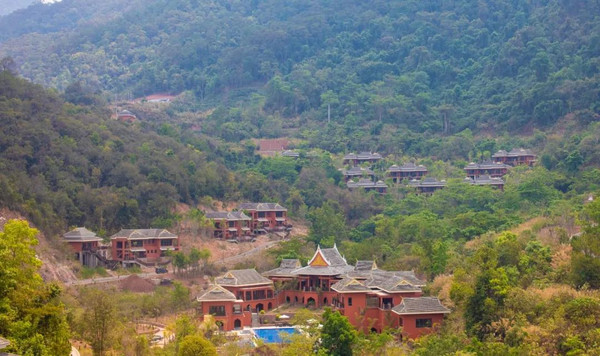
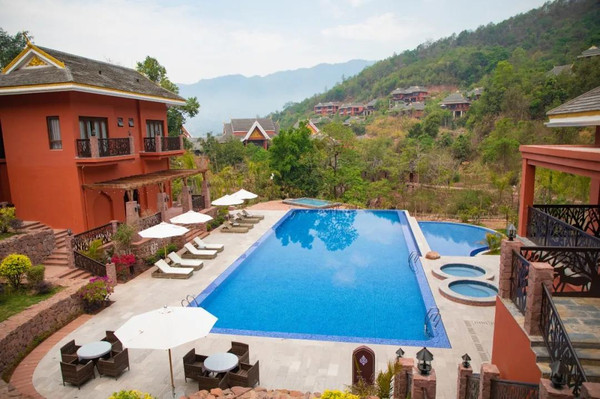
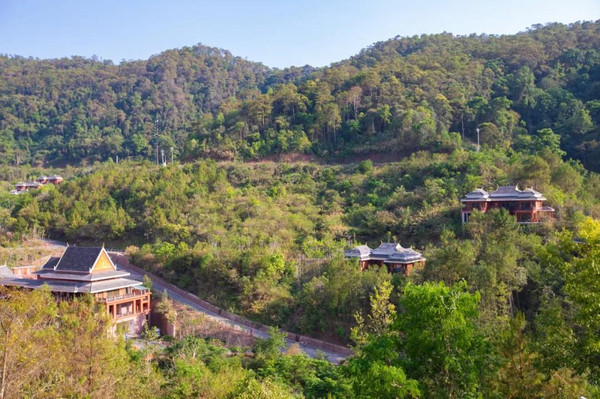
I never imagined that this trip to Pu'er would bring all those romantic notions to life. Hidden deep in the mountains, Xikang Yunshe felt like a mountain retreat tailor-made for me—every vision I'd ever had of my dream life came true here. Xikang Yunshe Health Resort is located in Jinggu, Pu'er. Jinggu means "Valley of a Thousand Views," and it's lush with trees and bamboo groves. The first time I saw the hotel, I was struck by its flowing layers of color. Three days in this exquisite space steeped in Dai charm, and all my accumulated exhaustion melted away.
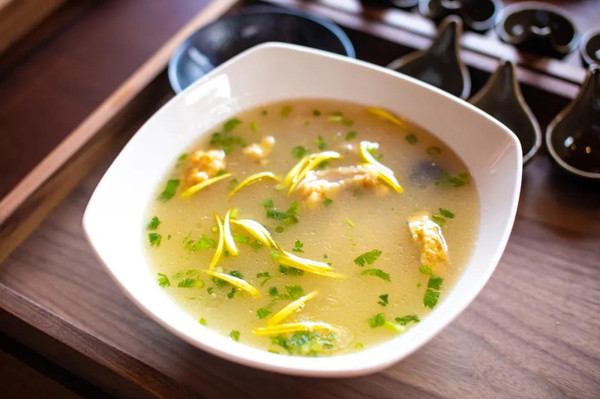
In the morning, I had a steaming bowl of chicken soup rice noodles, experiencing Yunnan's reputation as the homeland of rice noodles. The free-range chicken here is incredibly flavorful—if you skip the soup and the noodles, you'd truly be missing out.
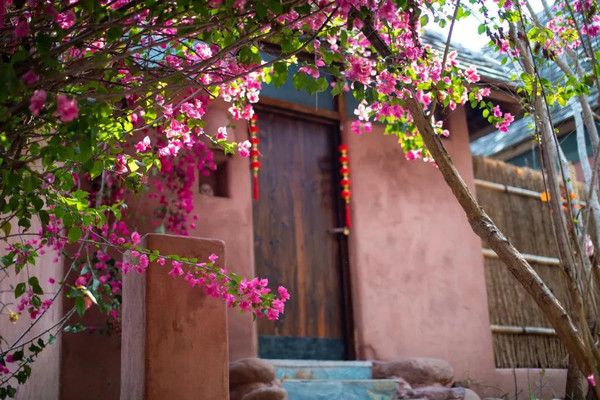
After breakfast, I took a walk along the hot spring path behind the hotel. Bougainvillea was blooming vibrantly, those magenta clusters lifting my mood instantly. Besides the outdoor hot spring pools, there are private ones too. Whether you prefer quiet or lively, you'll find your place here.
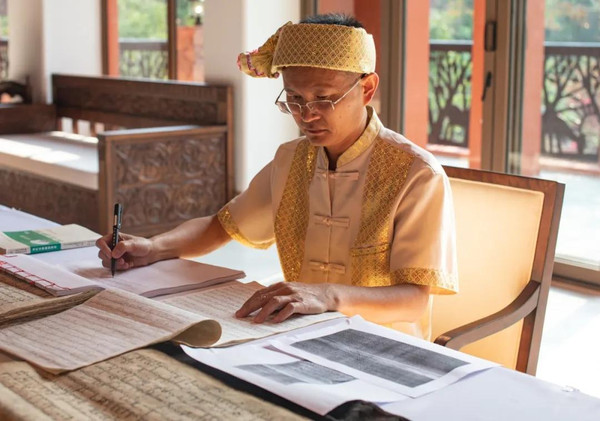
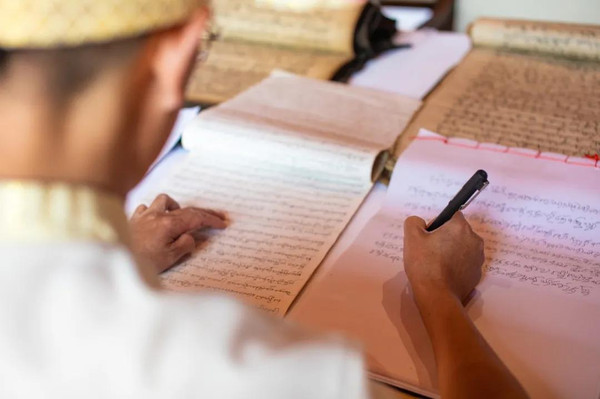
At noon, I joined a Dai elder in copying scriptures, purifying body and mind. Even though I couldn't read those curving symbols, I could still quiet my mind and trace along. Looking at those ancient scrolls, I couldn't help but sigh—time flies, youth fades.
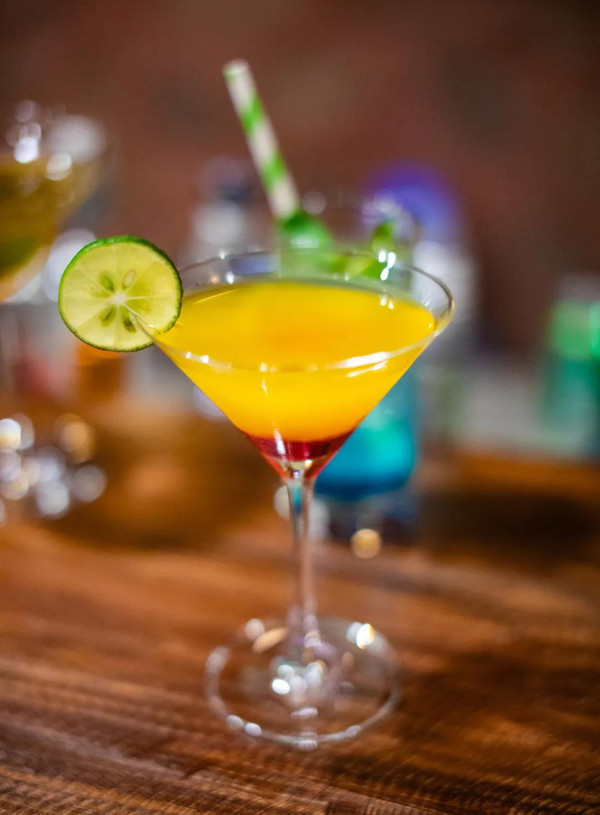
At night, I went to the small bar for a crafted cocktail, soaked in the hot springs with friends, chatting away. Immersed in the steaming pool, stars winking at me from above, my heart swelled with joy—the world felt beautiful, the future full of promise, everything exactly as happiness should look.
Now back in Chongqing, I count those beautiful moments, and the laughter still drifts before my eyes. Memories fade eventually—what endures is what's captured in writing. This 3-day trip to Jinggu, Pu'er, I'll tell you all about it slowly. Actually, getting to Pu'er was quite a journey. During the pandemic, flights were unstable—my direct flight was canceled, so I had to reroute to Xishuangbanna, hire a car from there to Pu'er, and then either arrange paid airport pickup through the hotel or take a shuttle bus to Jinggu.
About temperature and what to wear:
Both Xishuangbanna and Pu'er are tropical, so summer clothes work fine—just bring a light jacket for cooler evenings. Sunglasses and sunscreen are a must, and keep after-sun repair products with you. Also, with such dense forest coverage, bring mosquito repellent!
About the itinerary:
Day 1: Chongqing—Xishuangbanna—Pu'er
Day 2: Pu'er—Jinggu—Check into Xikang Yunshe Health Resort—Whole lamb feast—Hot springs
Day 3: Water Splashing Festival—Dai village visit—Tea mountain tour—Peacock feast—Small bar
Day 4: Making sticky rice cakes—Tower-wrapped tree and tree-wrapped tower—Health management center—ATV off-roading—Live-action CS—Bug feast—Bonfire party
The first night I stayed at a hotel in Simao District, Pu'er. I grabbed a quick meal at a small restaurant the front desk recommended and went back to rest. The real vacation began on day two. The hotel sent a car for us early in the morning. The drive to Jinggu was lush and green. The closer we got, the denser the forest, the air fresh and sweet—a world away from the smog of the big city.
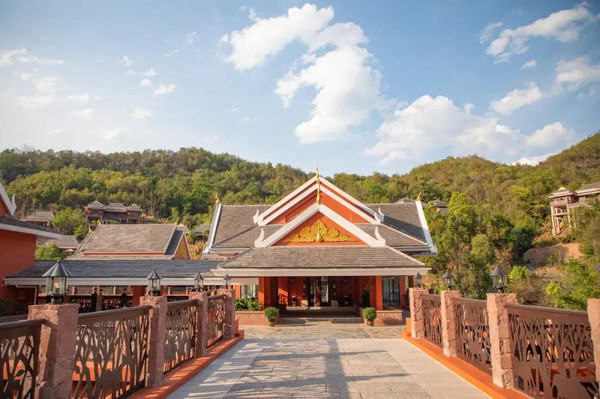
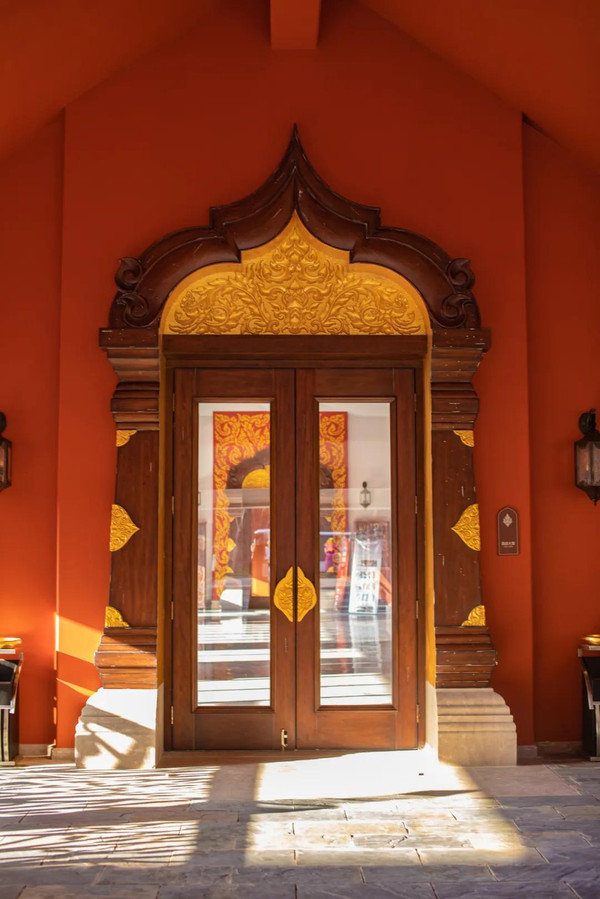
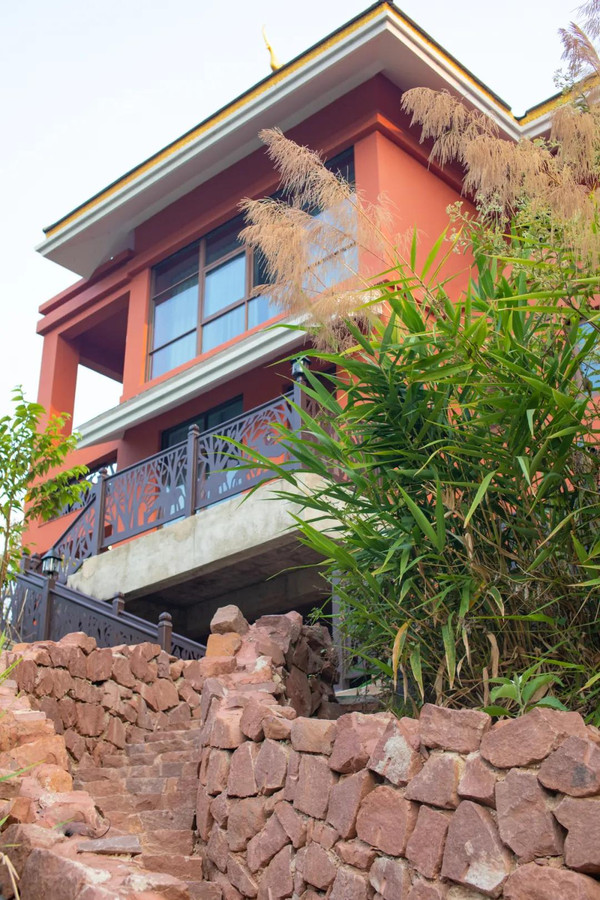
Xikang Yunshe Health Resort is dripping with Dai charm. Under blue skies and white clouds, the red walls and golden roofs carry a distinctly exotic feel. Brilliant sunshine, mountain valley breezes, birdsong everywhere—I felt like a caged beast set free, heart leaping, face beaming.
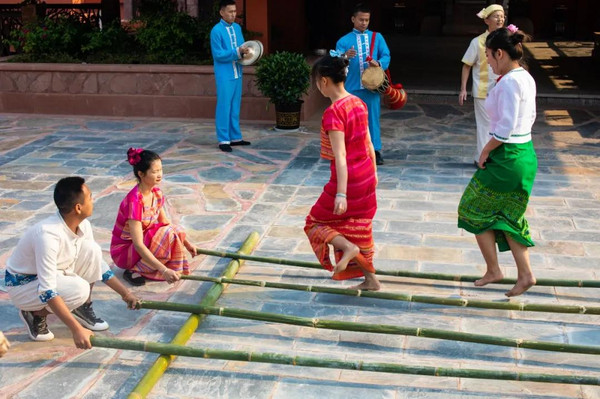
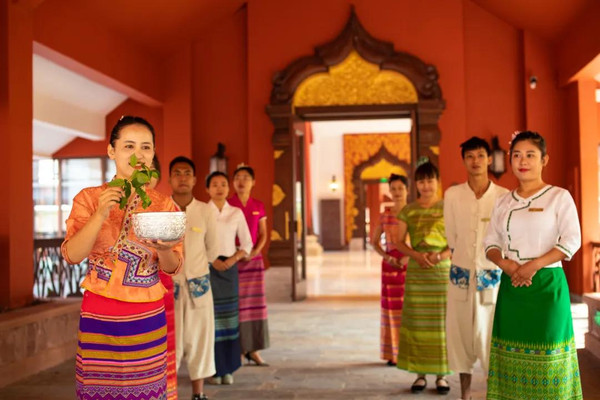
The warm Dai women prepared a welcome ceremony for us—bamboo pole dancing, splashing auspicious water, drinking ancient brown sugar water, honey water, rose wine. Small details, but so thoughtfully done. Through these little gestures, we felt the warmth and beauty of the Dai people.
Xikang Yunshe is a Dai-style wellness resort that just opened in January 2020. Compared to the commercialism of other hotels, its red walls and golden roofs carry centuries of Dai culture. We stayed in a standalone villa nestled among mountains and greenery—this is probably what the ideal life of retreat looks like. Sunset, sunrise, push open the window and see a scene straight out of a painting.
Walking through the hotel, those bright vivid colors against the dazzling outdoor sunlight made me feel like I'd broken free from winter's grip, my steps suddenly light. I especially love Dai-style architecture—it has that aristocratic, palace-like feel. Staying here, being cared for so attentively, I felt like a princess of an ethnic minority.
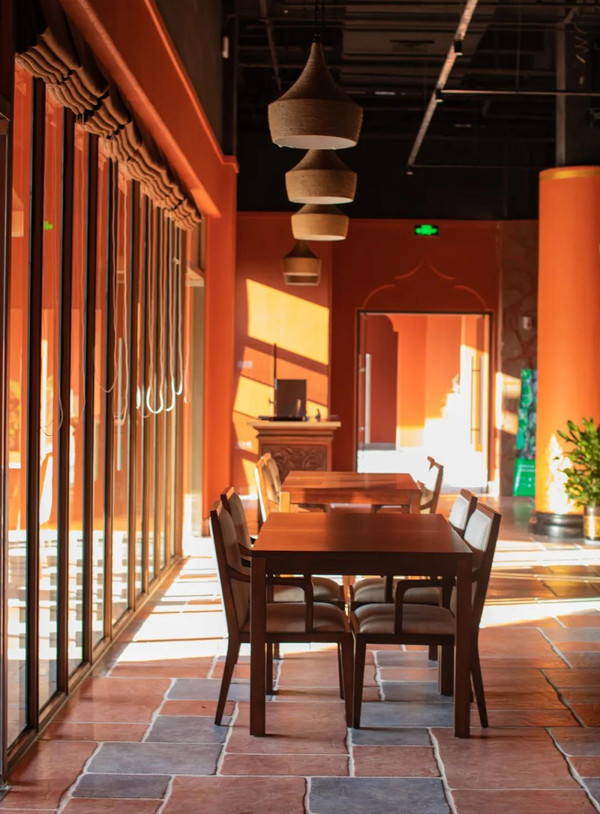
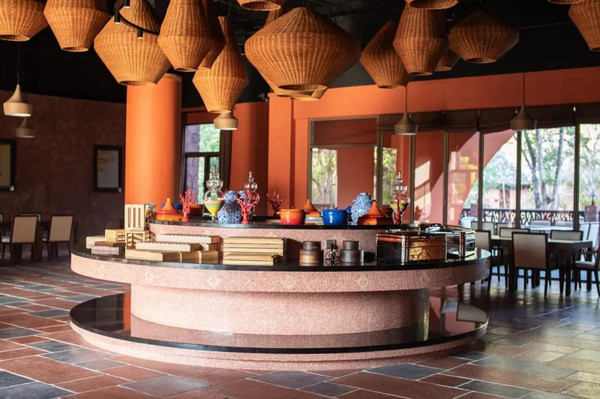
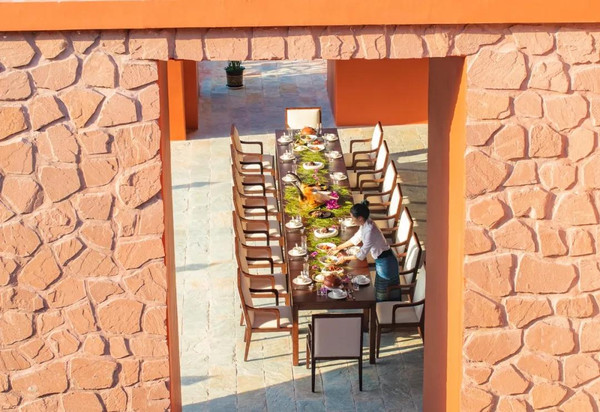
The hotel's all-day restaurant is beautifully appointed. My favorite spot is the outdoor seating area—dinner time is the best. Watching the sun set slowly, feeling the cool forest breeze, chatting with friends over a meal that stretches two or three hours.
Staying at Xikang Yunshe
My husband and I stayed in Building 3. A small stone staircase from the road leads up to the room—very private. The accommodation area is a bit far from the main hotel, but there's a dedicated shuttle.
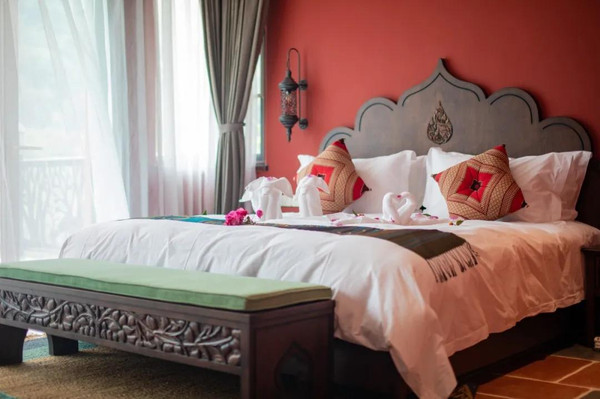
I love the room design—spacious and elegant, with furniture mostly made of solid wood. I'm someone who has trouble sleeping in unfamiliar beds, but those three nights here, I slept soundly until dawn every single night. It has everything to do with how comfortable the mattress and pillows were.
The bathroom has a wet-dry separation design, with both a large bathtub and a shower. Toiletries and care products are all provided—not brands I'm familiar with, but they smell lovely and work well.
My friend's room had a hot spring pool outside, with bougainvillea petals floating on the surface. Soaking in the pool, gazing at the distant mountains and nearby scenery, sipping Pu'er tea and snacking on the complimentary treats from the room—pure bliss.
The hotel's biggest feature is its health management system. Every guest can come here for a body assessment. At the Yunshe Health Management Center, they combine blood tests, bone density tests, and functional medicine testing. The equipment alone is worth a fortune—over a million.
They have intelligent dynamic fitness assessment devices, plantar pressure and posture evaluation instruments, body composition analyzers, mental stress analyzers, infrared posture recognition devices, and other cutting-edge health assessment equipment that can comprehensively evaluate your body. After the assessment, professional doctors create a health healing plan based on the results, offering course-based guidance on exercise, diet, rest, and more—a full-spectrum approach to caring for body and mind.
Playing at Xikang Yunshe
(1) Visiting an ancient Dai village, trying bamboo weaving
Following a Dai girl, we visited an old Dai village—I'm not sure of its name. But the people were so welcoming. An old man under an ancient tree was working on traditional bamboo weaving, using dyed strips to make back baskets. These bamboo items may not be masterpieces, but they carry the artisan's spirit.
The elderly women in the village all looked spirited, their eyes shining. They smiled at us, shared goat milk fruit they'd picked from the mountains, and gave us some sticky rice cakes they'd made at home. We were lucky—it happened to be the Dai New Year, otherwise we wouldn't have tasted such delicious cakes.
When we took photos with them, one grandmother was especially shy, covering her face and eyes with her hands—such a cute, bashful gesture. Probably because they're far from the world's troubles, they've kept that unchanged girlish heart.
(2) Climbing the tea mountain, visiting tea farmers, picking and drying tea ourselves
Pu'er is famous for tea, especially Pu'er tea. A visit to the tea mountains is an essential experience. Tropical weather is unpredictable—one moment blazing sun, the next a downpour. Coming down from the peak to mid-mountain, there was no trace of rain. So we visited a tea farmer's home and learned the skills of picking, roasting, and sun-drying tea.
We only know how tea tastes when brewed, but we had no idea how many steps and how much time it takes to go from fresh leaves on the tea tree to the final product—that deliciousness that lingers in your throat. Everything in this world has its own way. All we can do is appreciate every result.
One last thing—Pu'er's mountains are full of wild fruit: papaya, mango, mulberries, all ripe this season. The locals' favorite way to eat them is mango with chili, papaya with chili. If you get the chance, you should try it.
(3) Visiting Mengwo Zong