Zhejiang Day Trips | Two Days in Shangyu, Shaoxing: Ancient Sites, Scenic Views, Great Photos, and Sweet Grapes
01 A Few Words First
What's the best part of traveling? For me, it's the discovery. Finding a hidden gem, stumbling upon something that fills a gap in what I know, or just having a great time with good food and fun experiences. It had been a while since I last visited Shaoxing. Honestly, beyond the fact that a college classmate came from there, I'd never really gotten to know the place. So this trip to Shangyu District was a real treat—a two-day getaway packed with fascinating stories, beautiful scenery, and some seriously sweet grapes.
02 The Itinerary
Day 1: Half a day at Zhujiazhuang, then over to Zaoli Lake and the Seventeen-Arch Bridge, and checked into Shangyu Hotel for the night.
Day 2: Headed from the hotel to Hangzhou Bay Flower Field, then hit the grape gardens in Gaibei for some fresh-picked fruit.
03 Where We Stayed
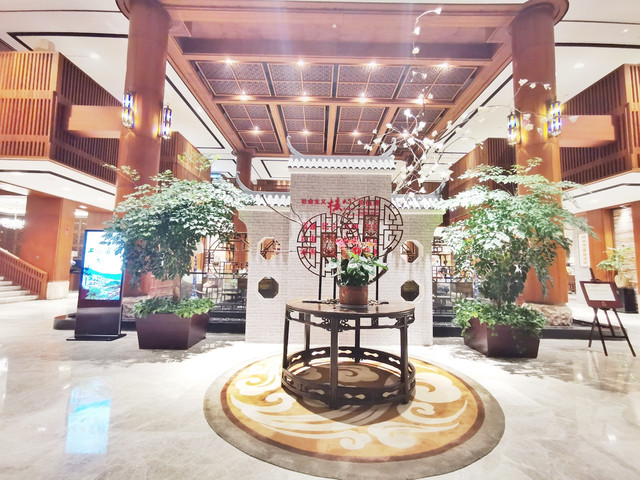
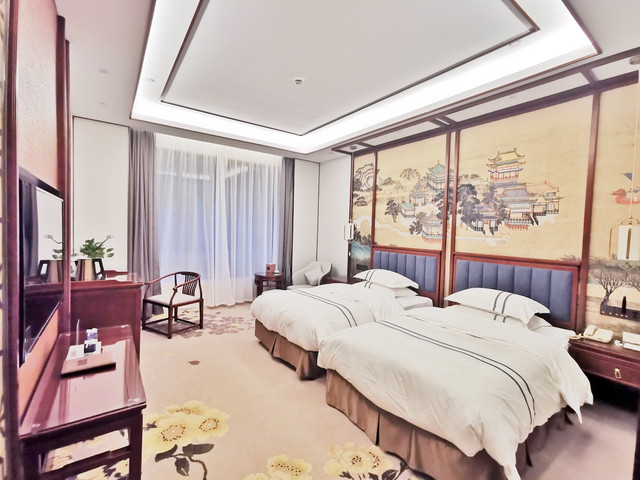
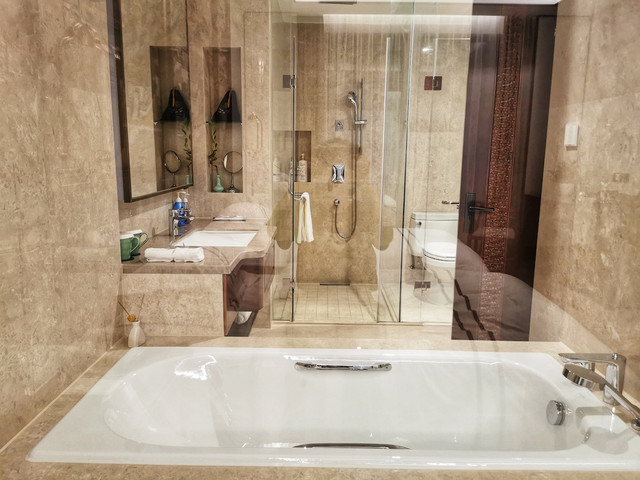
Since most of the trip was around Shangyu and its immediate surroundings, we booked a room at Shangyu Hotel, a local five-star spot. The hotel is tucked away with hills on three sides and calm waters on the other—peaceful and quiet. The rooms and overall decor lean toward a clean, elegant style. On the property, there's the famous Shun Well, an ancient site with water so clear it's like a mirror, crisp and sweet, carrying thousands of years of history.
04 Zhujiazhuang: The Hometown of Zhu Yingtai
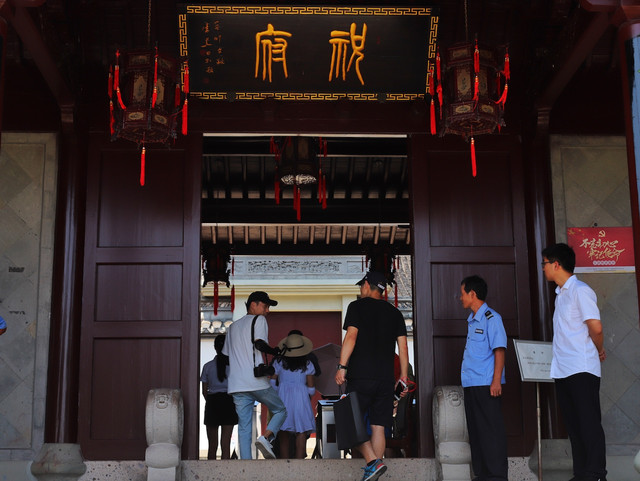
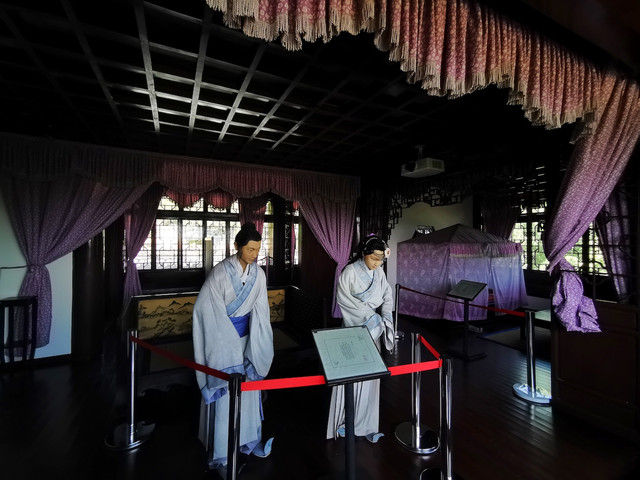
The story of Liang Shanbo and Zhu Yingtai from the Eastern Jin Dynasty is pretty much known by everyone, but not many people realize where Zhu Yingtai actually came from. This time, I was lucky enough to visit Shangyu District in Shaoxing—a place with such deep cultural roots it feels like it's hiding treasures everywhere—and found out that Zhu Yingtai's hometown is right here. The legend of Liang-Zhu started in this very spot. The romantic tale unfolds in Zhujiazhuang, at the southern foot of Wulong Mountain, with Fengting Mountain to the east and Yushui River to the south. It faces south with a solid feng shui setup.
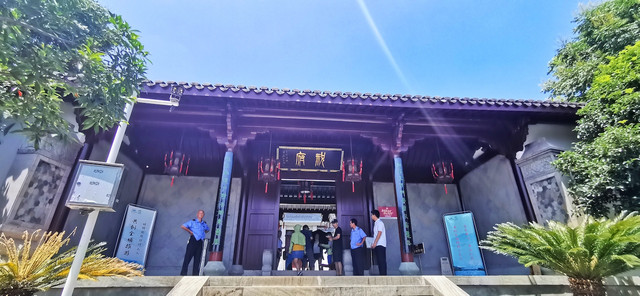
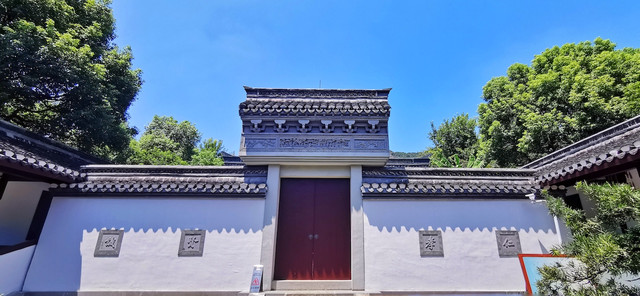
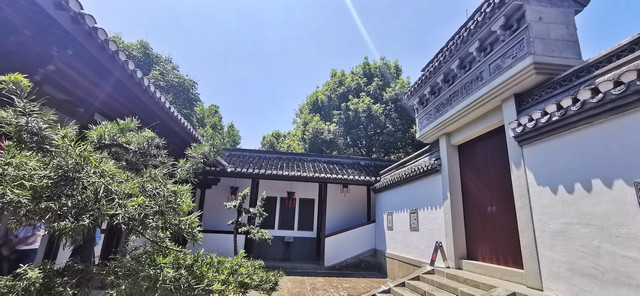
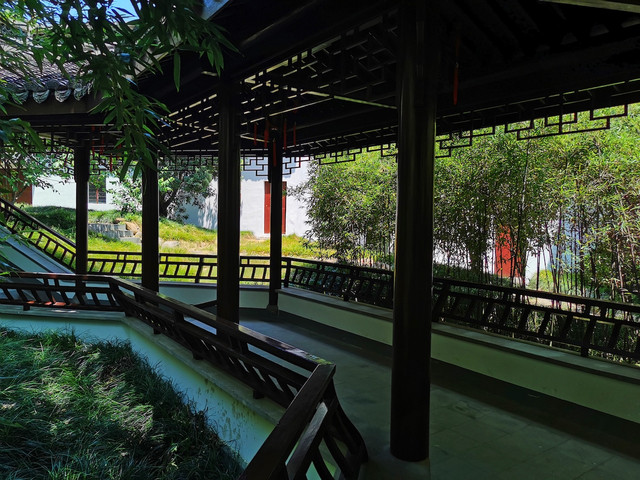
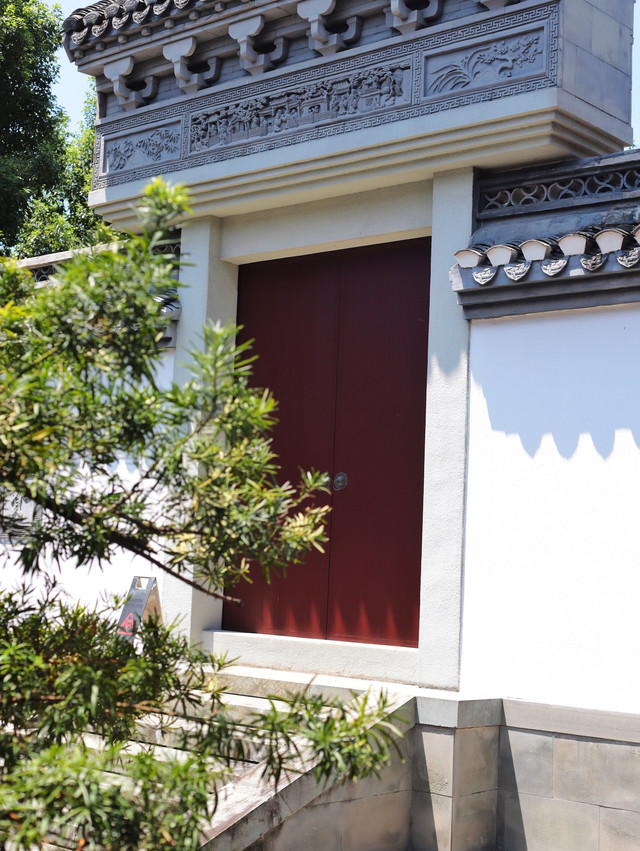
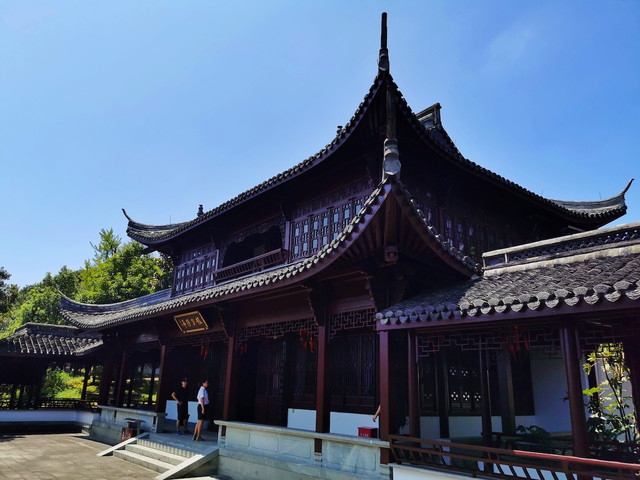
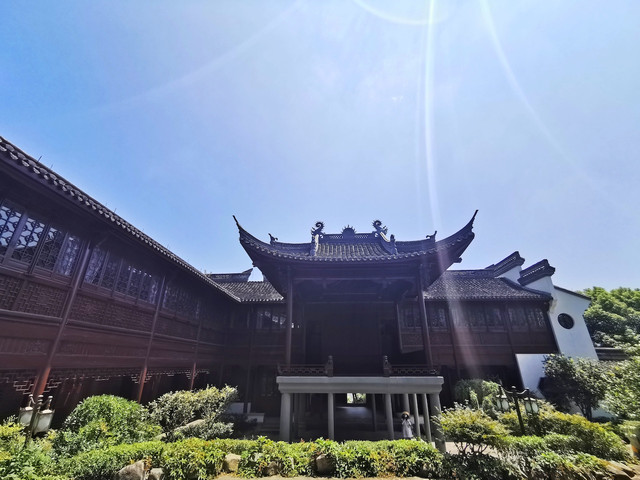
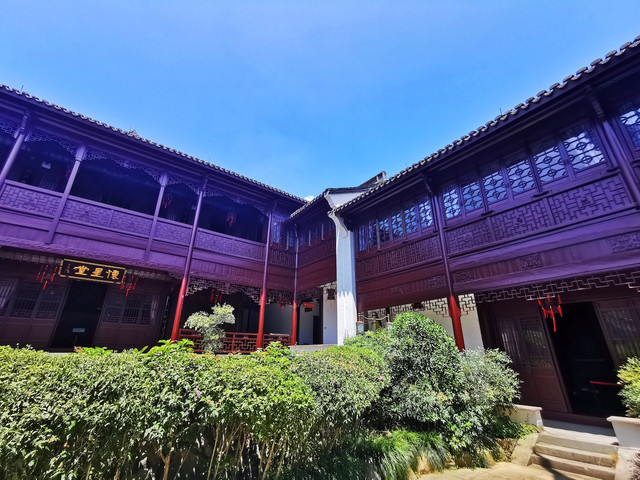
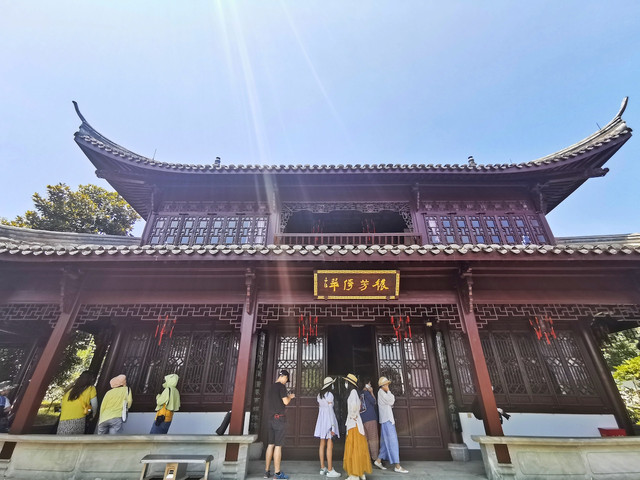
Zhu's mansion has whitewashed walls, dark tiles, and winding corridors, all done up in a classic, refined style. The gardens are planted to bring out that classic Jiangnan feel. Standing at the gate of Zhu Mansion, you get a commanding view looking down over the scenic beauty of Zhujiazhuang. Step through the entrance, and you'll spot the family motto carved into the white walls and black tiles: "Benevolence, Filial Piety, Integrity, and Sincerity"—four bold characters that show just how strict the Zhu family rules were. Zhu Yingtai, one of the leads in this beautiful love story, grew up in this kind of household, which shaped her into a talented, loyal, and devoted woman.
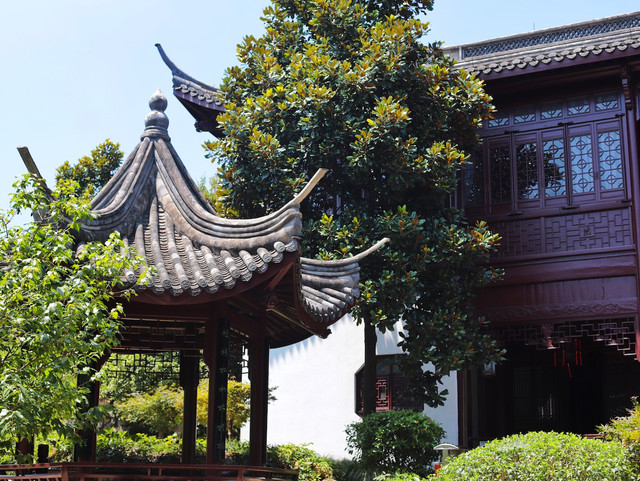
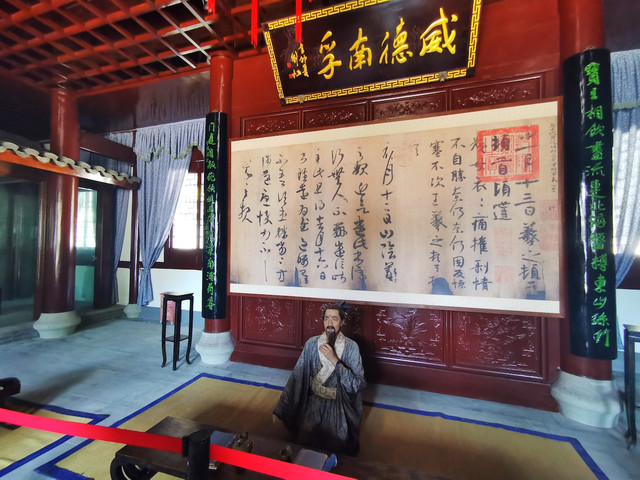
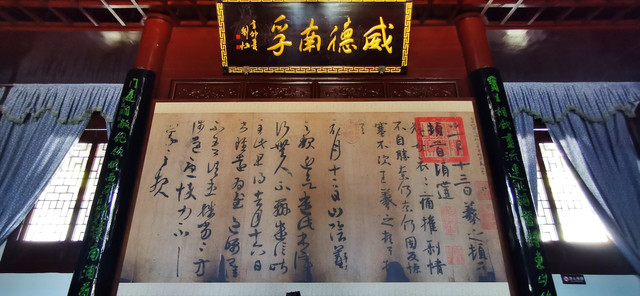
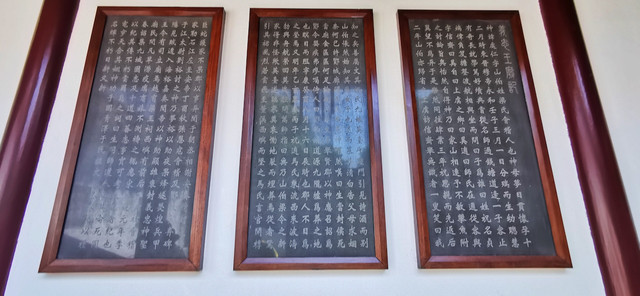
Wandering deeper into the mansion, you find yourself in a delicate Jiangnan garden. Pavilions with upturned eaves, rockeries, winding corridors, clear ponds with flowing water, lush greenery, and swaying bamboo—this was clearly a wealthy family's estate, every corner dripping with that classic Jiangnan refinement. The mansion is made up of three main structures: the Front Hall, the Yuanwai Tower, and the Yingtai Tower. The Front Hall was used for ancestral rites and hosting important guests. On the left, there are three stone inscriptions: the "Yizhongwang Temple Record," dedicated to Liang Shanbo, who once served as a county official in Yinzhou, Ningbo—later generations built a temple in his honor and carved this tablet. In the middle is the "Cao'e Stele," and the third is the "Shangyu Tie."
Going further in, you reach the Yuanwai Tower, where Zhu Yingtai's father, the head of the household, lived and received regular visitors. Here, there's a two-story stage where performances could run on both levels simultaneously—a sign of just how loaded the Zhu family was, since only Beijing's Summer Palace had a similar double-decker stage. Standing there, I could almost hear the soft strains of a zither, love vibrating on the strings, as Liang Shanbo and Zhu Yingtai weave their way through an eternal bond, bound by a promise of life and death.
The mansion isn't huge, so a tour doesn't take long, but the stories and cultural weight here are worth digging into again and again. The tale of Liang-Zhu turning into butterflies is beautiful and romantic—how many glances in past lives must it have taken to earn a love this fierce? I think that even though not many people know about Zhu Mansion today, or where Zhu Yingtai came from and how she was raised, it was precisely that family upbringing that allowed her to disguise herself as a man to study abroad, which led her to Liang Shanbo and gave us this timeless love story. Isn't that right?
05 Zaoli Lake: Comparable to West Lake and Qiandao Lake
Zhejiang has no shortage of lakes. Hangzhou's West Lake and Chun'an's Qiandao Lake are nationally famous, drawing tens of thousands of visitors every year. But Shangyu District in Shaoxing also has its own lake, called Zaoli Lake—the largest freshwater lake in Shangyu, covering about 1,500 mu of water, irrigating tens of thousands of mu of farmland, and directly sustaining tens of thousands of people. The locals rely on this lake for their livelihoods.
The name Zaoli Lake comes from a heartwarming legend. Back in the Tang Dynasty, the area was plagued by severe flooding. Two wealthy local families, the Cao and Li clans, saw the suffering and decided to follow the example of their ancestors. They gave up their own farmland to dig out a lake. Once it was finished, thousands of acres of fertile land were shielded from floods and droughts, and the villagers no longer had to fear the relentless rains or the scorching dry seasons. To honor the elders' contributions, later generations named the lake "Zaoli," a phonetic twist on their surnames.
For a long time, thanks to lagging infrastructure and transportation, Zaoli Lake didn't see many visitors. But after local efforts to clean up and develop the area—fixing the stagnant water flow, flood risks, and pollution that had been hurting the surroundings—the lake has become even more stunning. Surrounded by hills on three sides, the lake stretches wide and serene, with mountains reflecting in the water and water mirroring the mountains, like a peaceful, elegant landscape painting. It's got the calm beauty of West Lake and the grand scale of Qiandao Lake—truly deserving of the saying, "Scenery like Qiandao Lake, looks like West Lake's charm."
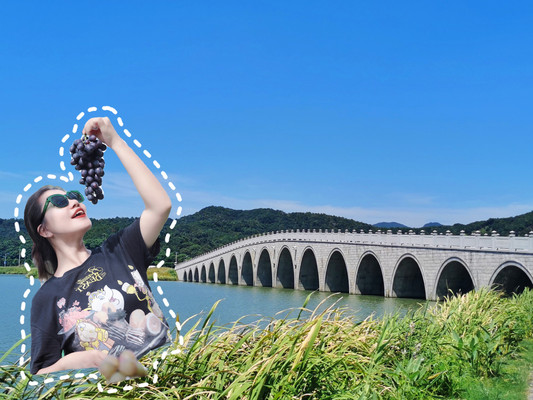
Where there's water, there are bridges. Over Zaoli Lake spans a 180.34-meter Seventeen-Arch Bridge, 180 meters long and 11 meters wide. Everyone knows the Seventeen-Arch Bridge in the Summer Palace, stretching like a rainbow across the waves—but Shangyu's version is actually 30 meters longer. This bridge, surpassing its predecessor, has become a must-see spot on the lake. And it's not the only one. Directly facing it, there's a walking park that feels like a Jiangnan garden. Standing by the shore, gazing out, the lake shimmers with ripples and glints of light. Climb a small hill nearby, and the view of the lake cradled by mountains is something else—it stirs a unique feeling in your heart. Located on the western edge of Fenghui Town, Zaoli Lake has both scenic hills and poetic inscriptions from literary figures of old. It was once called the "West Lake of Shangyu," and that reputation is well earned. Have you ever been? Or maybe you're already dreaming of it?
06 Boats, Go-Karts, and Photo Ops: The Fun at Flower Field by the Sea
How do you unwind after the daily grind? Some game, some binge movies or books, some catch up with friends. But plenty of folks prefer to step outside and head to nature or a theme park. Since time is tight for most of us, a lot of these leisure spots are set up on the outskirts of cities—easy to reach and packed with activities to relax your mind. On this trip to Shangyu, I found just such a place.
Hangzhou Bay Flower Field—doesn't the name already sound pastoral and fresh? It's genuinely a massive garden in Shangyu, sitting at the heart of the southern edge of Hangzhou Bay, right by the Jiashao Bridge in Shaoxing. With seasonal flower seas and coastal wetlands as the main draw, it creates this colorful patchwork of farmland and floral landscapes. The park now offers over a dozen leisure activities, including a wedding plaza, pottery, flower arranging, a Ferghana horse riding track, a mudflat playground, lake cruises, go-karts, and a performance stage. There's also specialty BBQ, lakeside private dining, and group quick-service meals with seasonal treats.
We arrived in the heat of summer, so the massive flower fields weren't in full bloom yet—they were still being planted and nurtured for the season ahead. But even without the blossoms, pedaling a paddle boat across the lake was a joy. The sun was fierce, but the boat's canopy offered decent shade