Stepping into Songjiang: A Different Side of Shanghai's Countryside (Complete 2-Day Travel Guide)
What comes to mind when you think of Shanghai? Is it bustling, modern, lively, or stylish? Perhaps we all have many adjectives to describe the glamour of old Shanghai's Bund, but this time, I'm heading to the outskirts of Shanghai—Songjiang—to uncover a completely different side of the magic city.
**Shanghai Film Park**
Today, China's tourist attractions are becoming more and more diverse, ranging from natural wonders to man-made scenic spots, offering travelers a wide variety of destinations to choose from. When it comes to man-made attractions, film studios are among the most popular—not only can you see the scenes that appear on TV with your own eyes, but you might even catch a glimpse of celebrities. This has given rise to a popular travel trend known as "pilgrimage to sacred filming locations."
When it comes to China's film studios, the first thing that comes to mind is Hengdian World Studios in Zhejiang, the largest film and television shooting base in China, often called China's Hollywood. But in the magic city of Shanghai, there is also a film base that can rival Hengdian—the Shanghai Film Park, where numerous blockbuster domestic films have been shot.
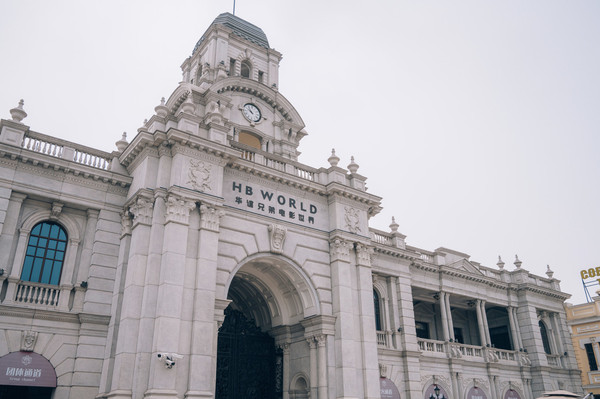
Located in Chedun Town in Songjiang, the Shanghai Film Park has turned this small town into a movie town. Established in 1992, it is not only one of China's top ten film and television bases but also a 4A-level tourist attraction. Originally focused on film and TV shooting services, it has now developed into a comprehensive tourist area offering sightseeing, cultural entertainment, and leisure vacations.
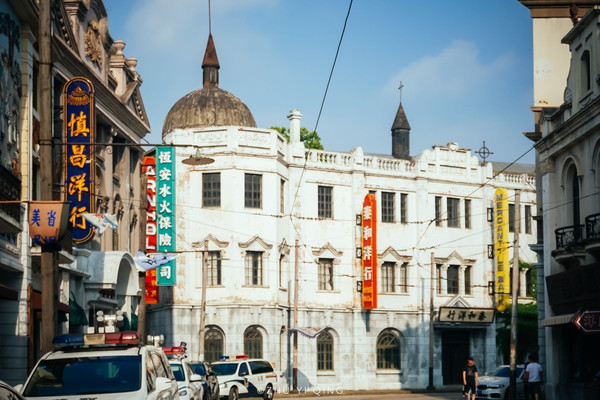
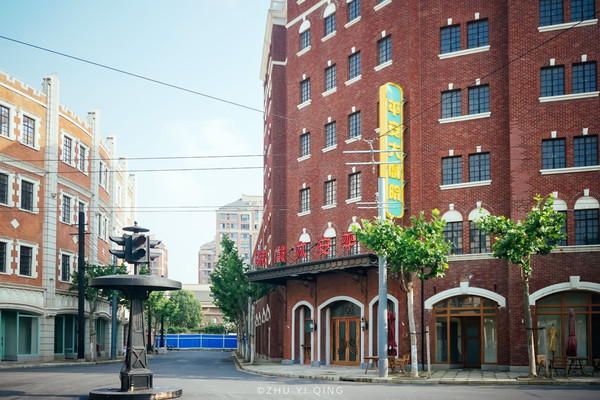
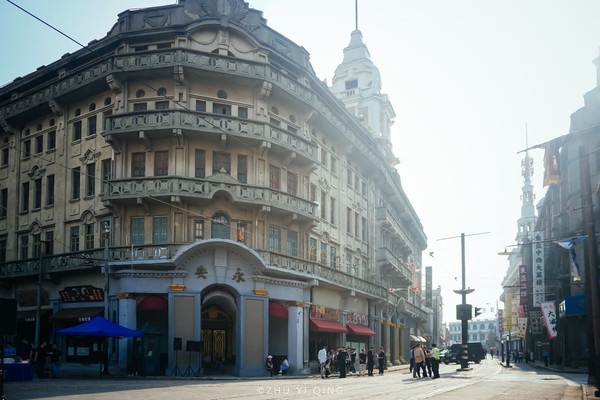
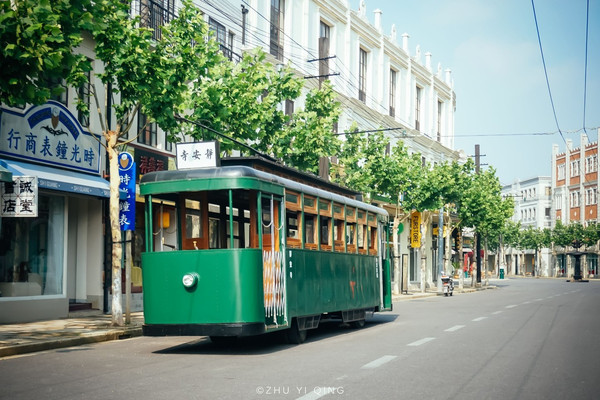
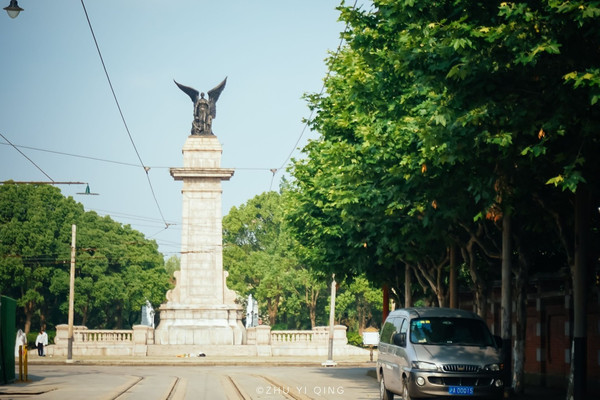
For many people, their initial impression of Shanghai comes from the glamorous Bund scenes in *The Bund*, *Lust, Caution*, and *Romance in the Rain*. Most of the scenes in these TV dramas set in Shanghai were filmed at the Shanghai Film Park. The park recreates the street life of old Shanghai, restoring buildings from the 1920s and 1930s. Though it may not perfectly match the real old Shanghai, it has everything you'd expect: trams, Nanjing Road, the Paramount Ballroom, Shikumen alleyways, and the Waibaidu Bridge—a miniature version of old Shanghai.
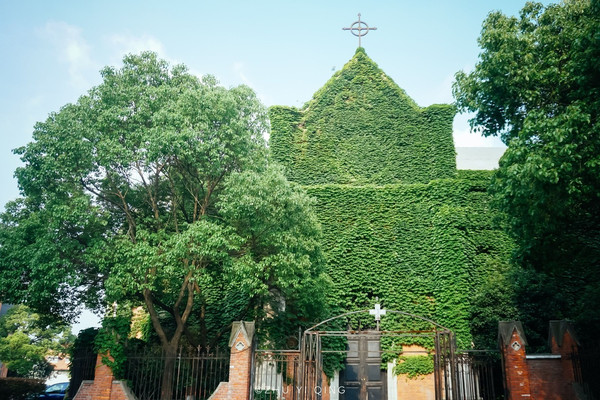
Besides the vintage Shanghai architecture, the park also features European-style buildings, including a Catholic church, a medieval winery, German villas, British villas, and Spanish architecture. One famous spot is the Kaisiling Café, where Wang Jiazhi waited for Mr. Yi in *Lust, Caution*. Many visitors come here to sit in the same spot as the movie's heroine.
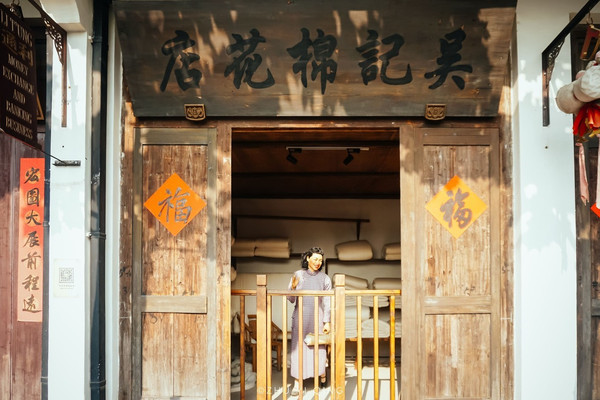
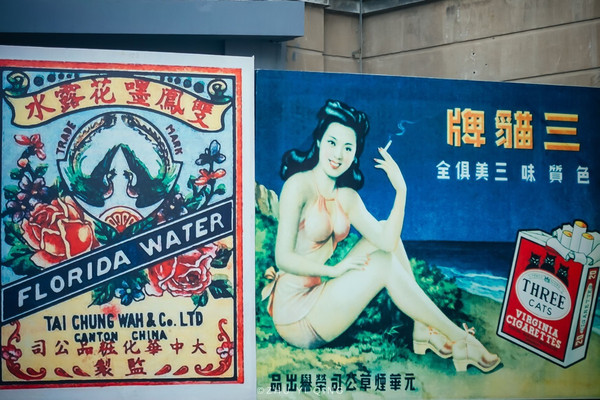
The Shanghai Film Park isn't huge, but walking through it all takes quite a while, so it's recommended to take the electric shuttle for a more comprehensive tour. For film buffs, photography enthusiasts, and lovers of old Shanghai charm, this is a fantastic place to visit. You'll find many elements of old Shanghai—like billboards from the 1920s and 1930s—filled with nostalgia, things that are hard to find in the city center today.
In the past decade, Shanghai has developed rapidly, and many old houses and neighborhoods have been demolished to make way for shopping malls. The Film Park, however, beautifully preserves the charm of old Shanghai. Compared to the old buildings squeezed among skyscrapers in the city, it has more character. Strolling down Nanjing Road in the park, wandering through Shikumen alleyways, admiring European architecture, and riding on an old-fashioned tram feels like stepping back into 1930s Shanghai.
Of course, there's also a good chance of spotting celebrities at the Shanghai Film Park, as many film crews shoot here year-round, especially on Nanjing Road and at the Waibaidu Bridge. Before you visit, you can check the filming schedules in advance—who knows, you might just catch your favorite actor or actress.
**Happy Valley**
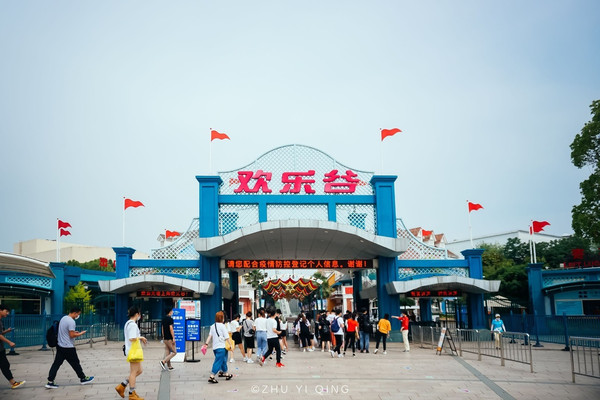
When you think of traveling to Shanghai, what comes to mind? Classic attractions like the Bund or Yuyuan Garden? Or stylish streets like Wukang Road and Sinan Road with their exotic vibes? Shanghai is packed with diverse attractions, and amusement parks stand out among them. As a classic among Shanghai's long-standing amusement parks, Happy Valley has always been loved by both kids and kids-at-heart.
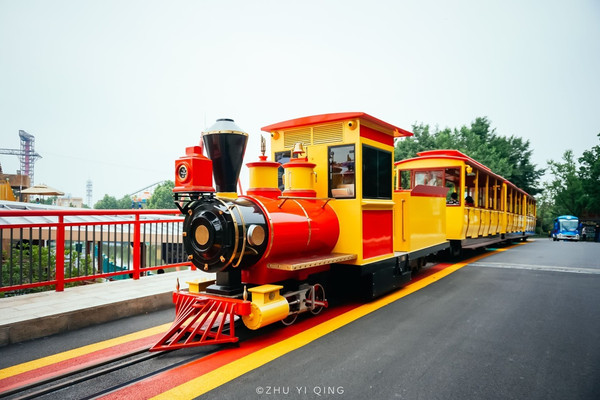
Shanghai Happy Valley is located in the Sheshan National Tourism Resort in Songjiang. It features seven themed areas: Sunshine Harbor, Happy Time, Shanghai Bund, Shangri-La, Happy Ocean, Gold Mine Town, and Hurricane Bay. It's one of the largest amusement parks in Shanghai—you might not even finish everything in one day. When your feet get tired, you can hop on the park's little train.
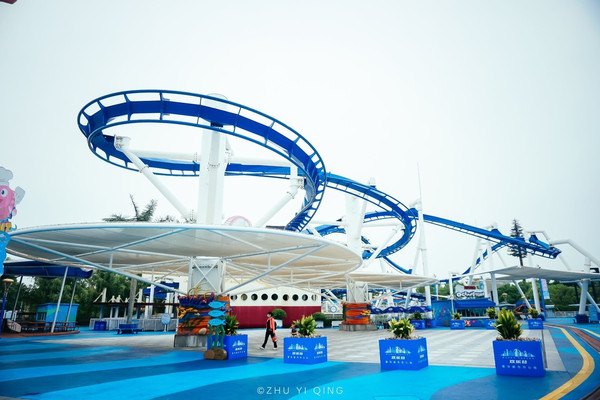
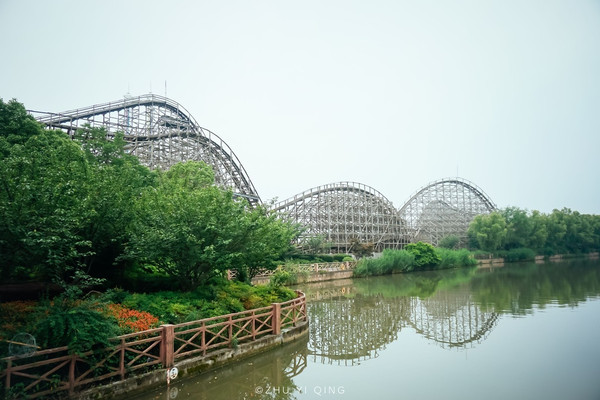
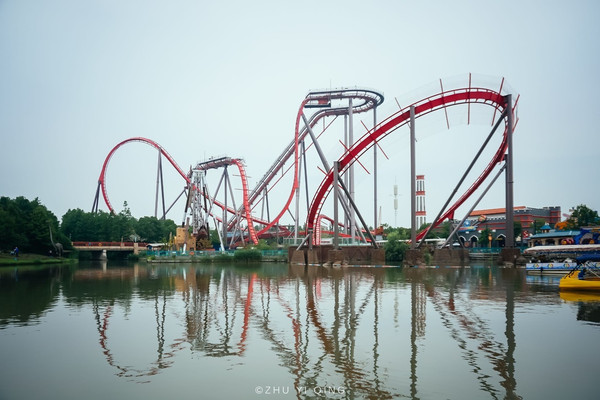
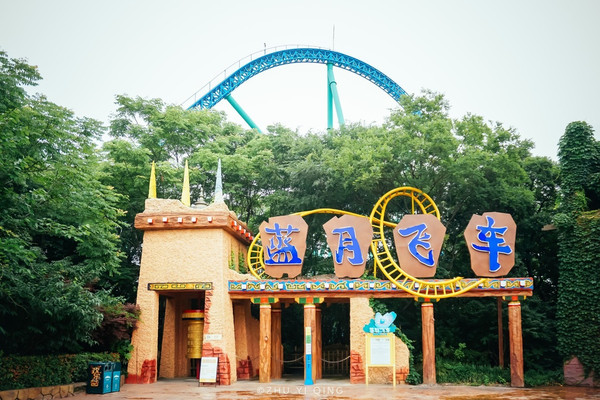
Happy Valley boasts three major roller coasters: the longest wooden coaster, Gumuyoulong; the tallest coaster, Jueding Xiongfeng, which towers over the park; and the fastest, Blue Moon Flyer. The most popular are Gumuyoulong and Jueding Xiongfeng. In addition to more than 50 advanced rides, the park offers over 20 dazzling performances daily.
Gumuyoulong is China's first wooden roller coaster, with a track primarily made of wood that winds and twists like a dragon roaming through the valley. As the park's most popular attraction, the queue is always long, so it's best to head there first thing upon entering.
Jueding Xiongfeng is China's second-tallest roller coaster and the world's second-tallest vertical-drop coaster. It climbs a 45-degree slope to a height of 65 meters before plunging almost vertically at a 90-degree angle. For much of the ride, guests experience a weightless sensation—thrilling indeed.
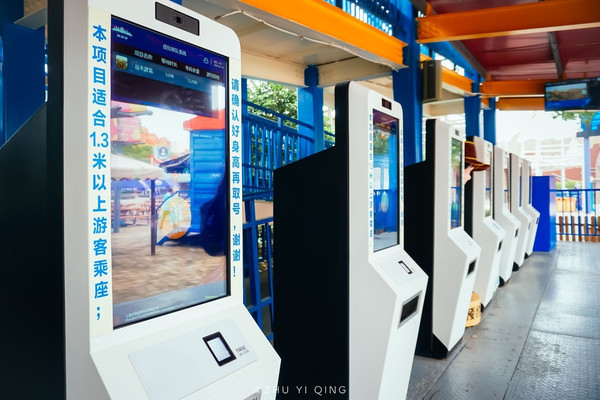
If you want to ride the coasters, remember to grab a reservation ticket first to avoid wasting too much time in line and to maximize the number of rides you can enjoy.
Blue Moon Flyer is the fastest coaster in Happy Valley, located in the Shangri-La area. Its exterior design has a distinct Naxi ethnic style.
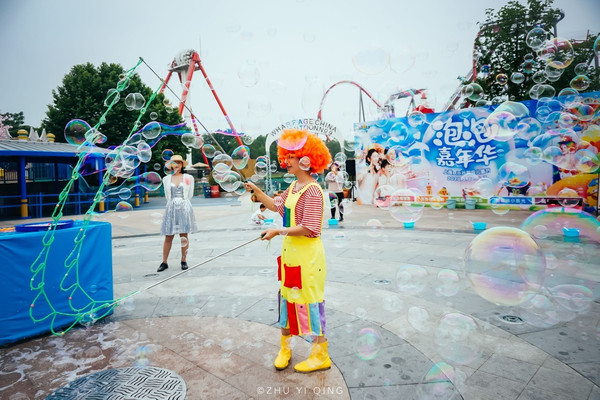
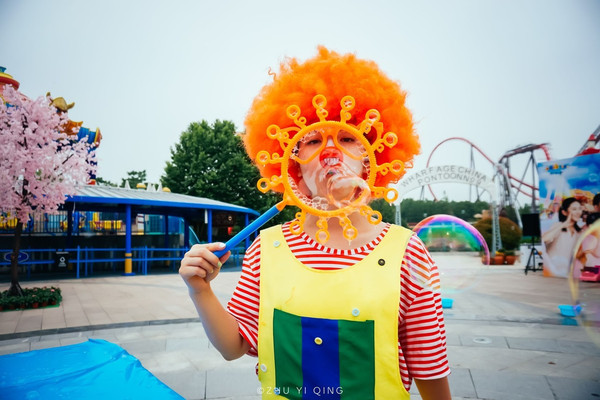
Happy Valley isn't just about rides—there are all kinds of performances too, like the bubble carnival currently showing in the park. Blowing bubbles is a childhood memory for many of us, and at Happy Valley, the bubbles are made with various tools to create bubbles of all sizes, making you feel like you've stepped into a fairy tale.
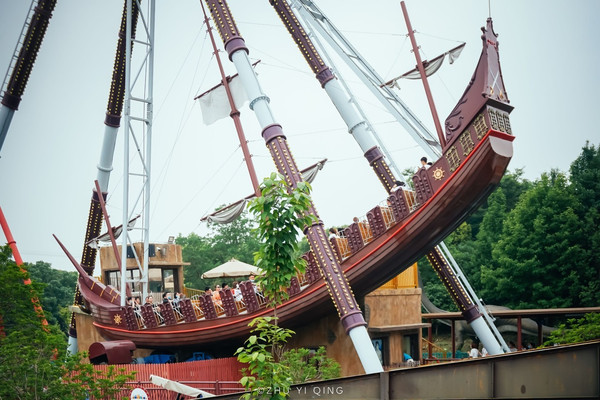
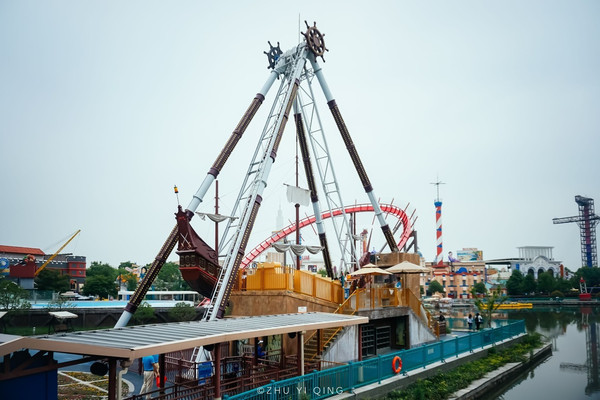
Happy Valley is a paradise for both big kids and little ones—it has playful bumper cars and carousels, as well as thrilling pirate ships and giant pendulums. For thrill-seekers like me, it's the perfect place. Walking past the pirate ship, you'll hear screams of excitement—riding these intense attractions is a fantastic stress reliever.
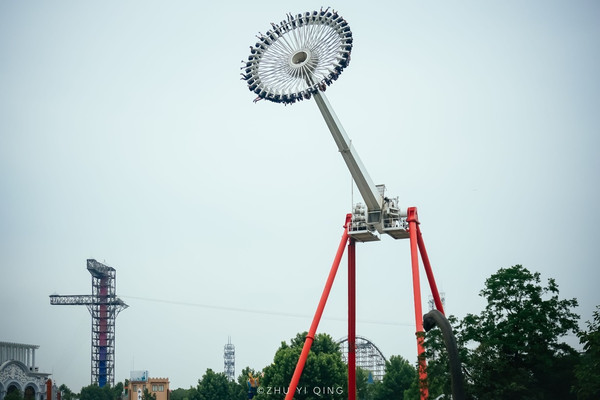
Look at the height the giant pendulum swings—it practically flips over! If you're brave enough, don't miss Happy Valley's most thrilling ride. These intense attractions are located in the Shanghai Bund themed area, which is filled with early 20th-century old Shanghai charm, complete with ancient stone gatehouses and glitzy, bustling streets.
There's also a go-kart track at Happy Valley, which requires an additional fee. Take a spin and feel the speed and adrenaline.
Past the go-kart track is Hurricane Bay, themed around a harbor hit by hurricanes and earthquakes. The most thrilling ride here is the rapids ride—make sure to wear a raincoat, or you'll get soaked instantly! The area also features rides like Perfect Storm and Extreme Cyclone, many of which involve water, making them perfect for beating the summer heat.
The Shangri-La themed area brings the style of the Naxi people in Yunnan to Shanghai, an ideal kingdom surrounded by twin snow-capped mountains. It includes four sub-areas: Himalayan Snow Peak, Yeti Zone, Adventure Zone, and Shangri-La Botanical Garden. What I loved most is the authentic Shangri-La atmosphere—it made me feel like I was actually in Yunnan.
The Gold Mine Town themed area is based on a North American gold rush town from over 200 years ago. You'll find abandoned trains, simple dwellings, old gold-panning machines, mine shafts, and towers. Entering this area is like starting a gold-digging adventure. There's also a lookout tower here where you can see the entire Happy Valley.
Happy Valley is a sea of joy, with attractions suitable for all ages. Each themed area offers its own unique kind of happiness. With comprehensive facilities and a wide variety of rides, it's a favorite among visitors and a must-visit stop on any trip to Shanghai.
**Sheshan**
Among China's eastern coastal cities, elevations are usually low due to the terrain. Since most of China's economically developed cities are concentrated in the east, their skyscrapers often rise higher than the hills themselves—and Shanghai is the most typical example. As a top-tier international metropolis, Shanghai's high-rises tower over its hills. So, do you know which is the highest peak in Shanghai?
The highest point on Shanghai's landmass is West Sheshan, standing at just 100.8 meters—yet it's already the rooftop of Shanghai. In reality, the mountains in Shanghai aren't very tall at all. Many commercial buildings even surpass them in height. But in the hearts of Shanghai residents, Sheshan holds a lofty status. Whether it's for hiking and exercise or exploring Shanghai's natural scenery, Sheshan is the best choice.
Sheshan is vast, divided into East Sheshan and West Sheshan. It's Shanghai's only natural