Self-Driving Trip to Wuyuan and Huangshan
The summer of 2021 felt especially hot and dragged on longer than usual across much of the Jiangnan region. After a quick trip to Weizhou Island in the early July heat, I settled into a long stretch of staying home—so long, in fact, that I managed to sit through the scorching summer and right into the cool of autumn. Golden autumn is perfect for getting out, and staying put felt like a waste of the season. So I picked a nearby destination that had been on my mind—Wuyuan and Huangshan—packed up, and hit the road.
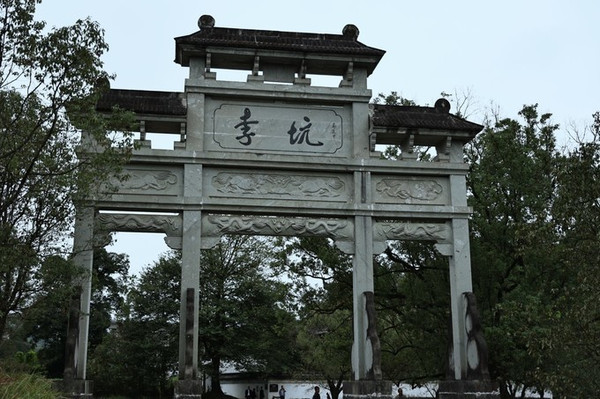
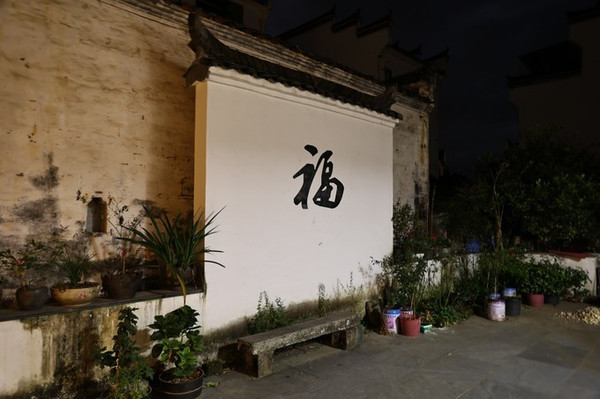
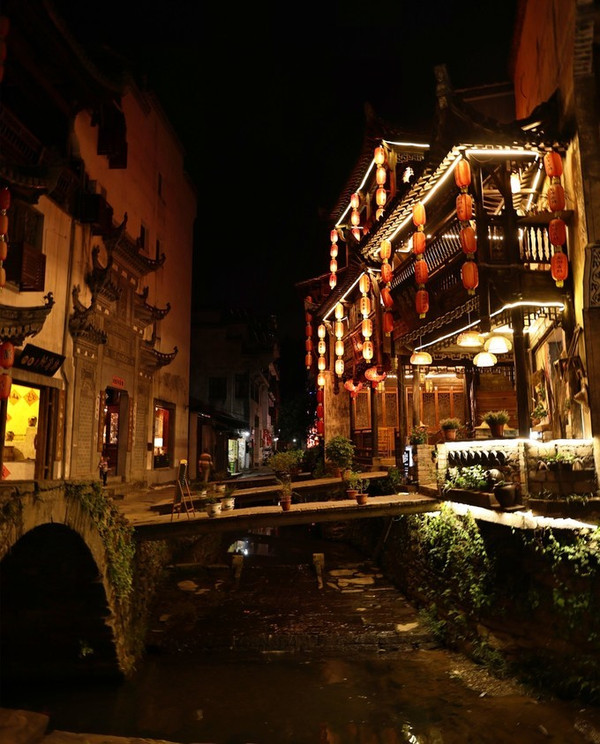
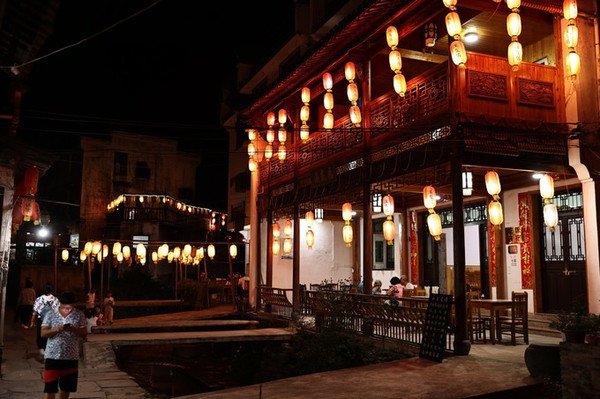
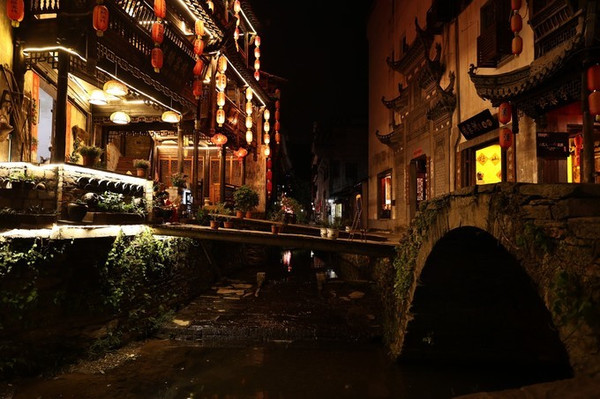
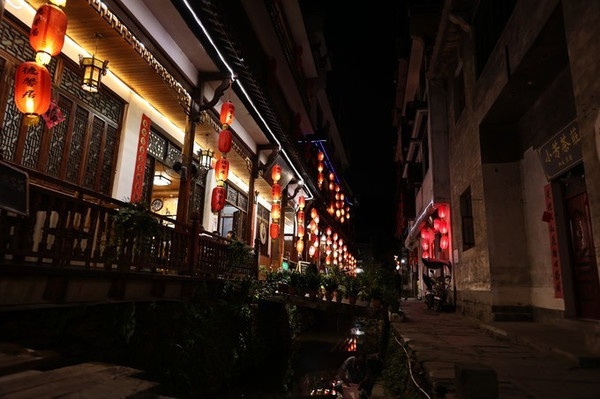
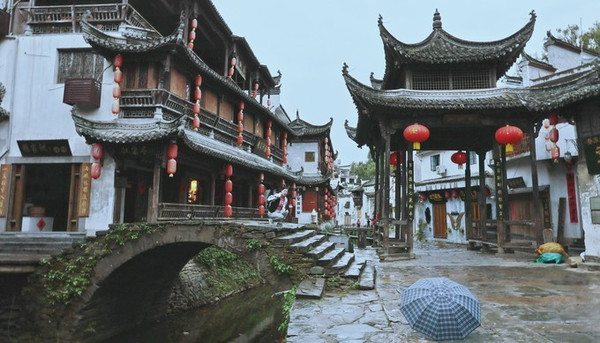
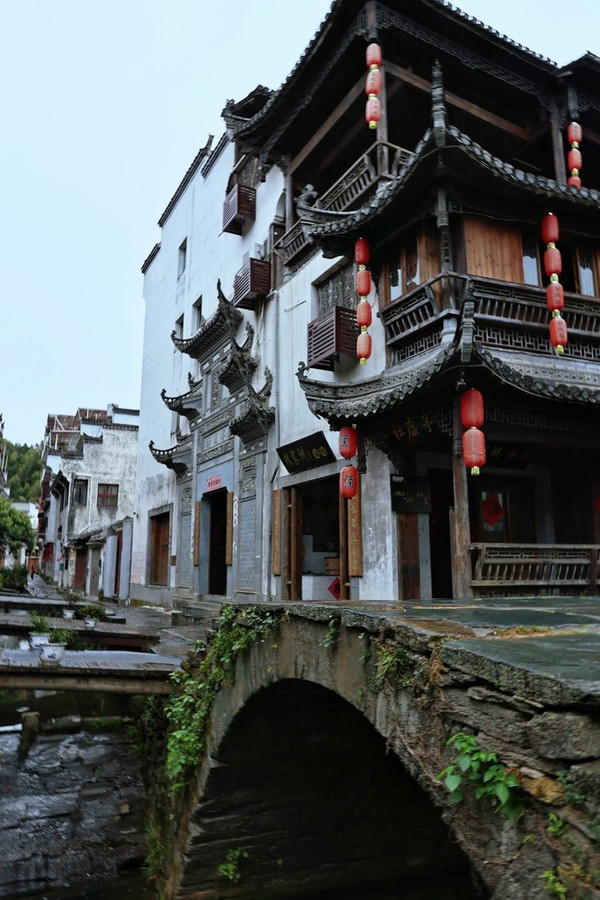
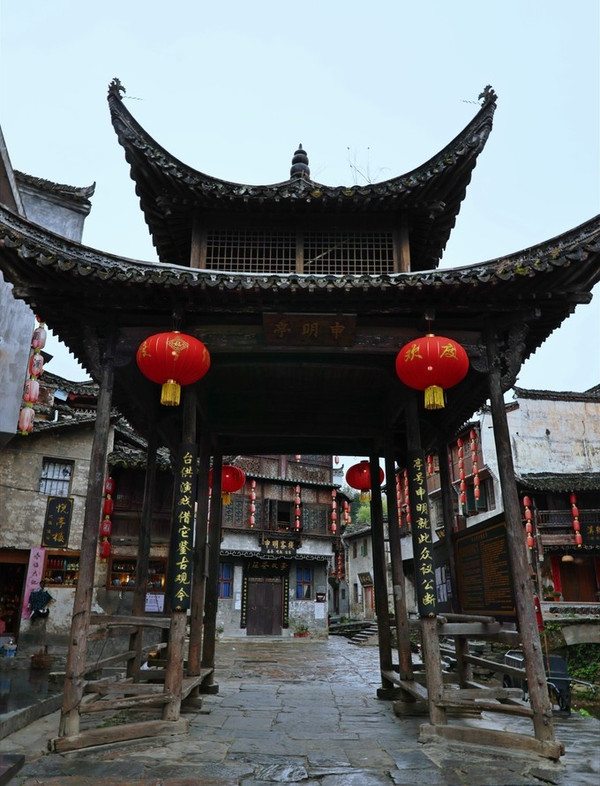
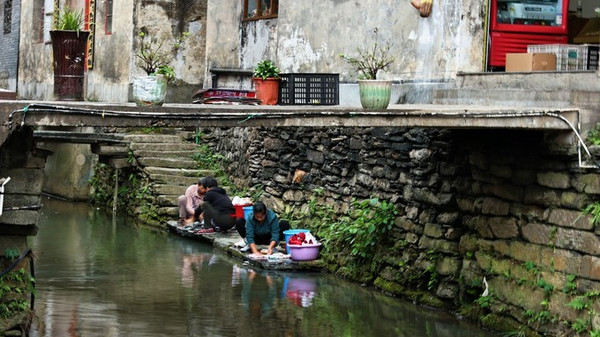
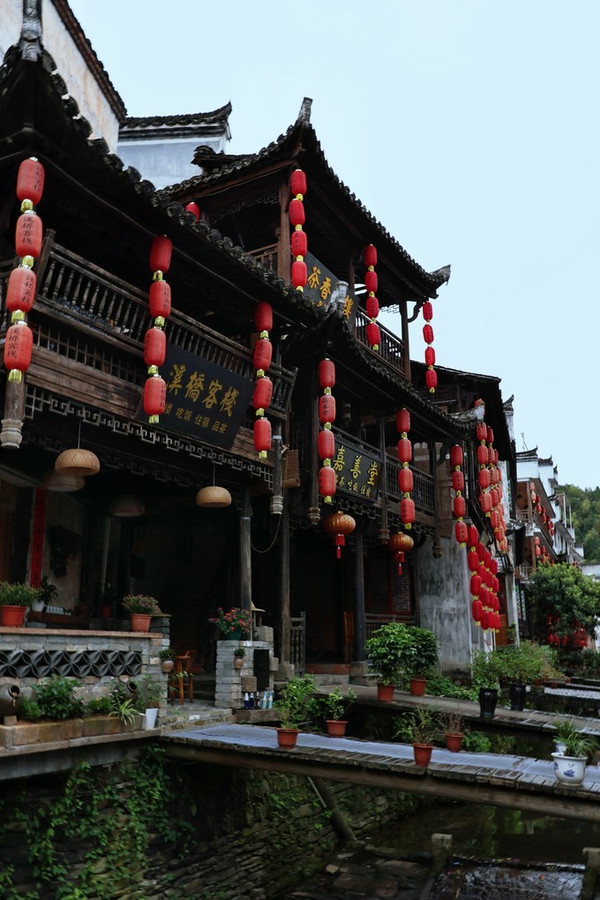
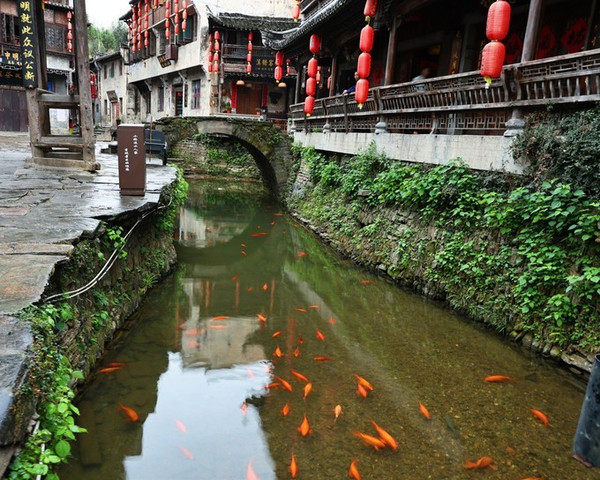
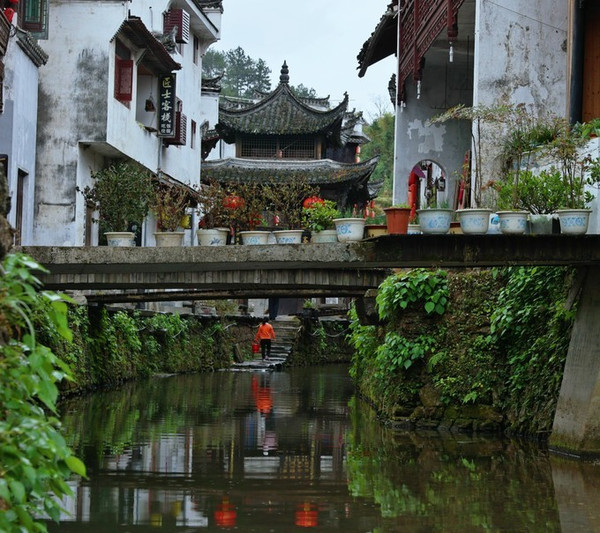
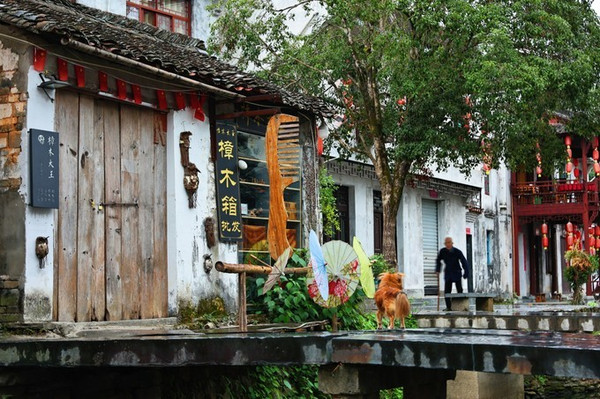
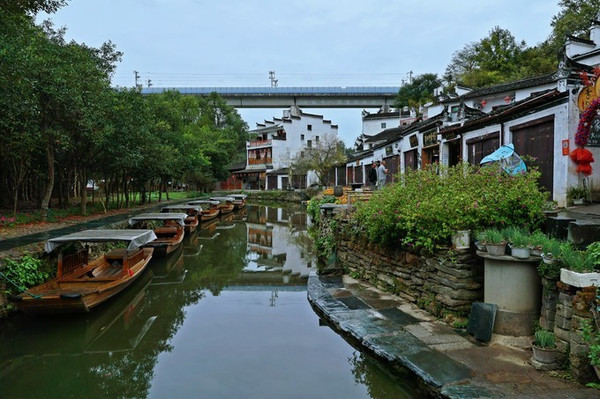
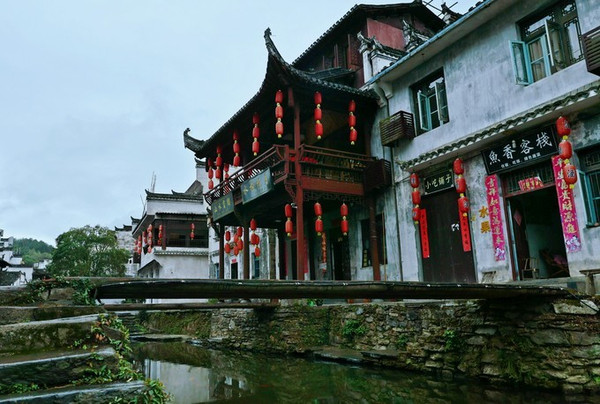
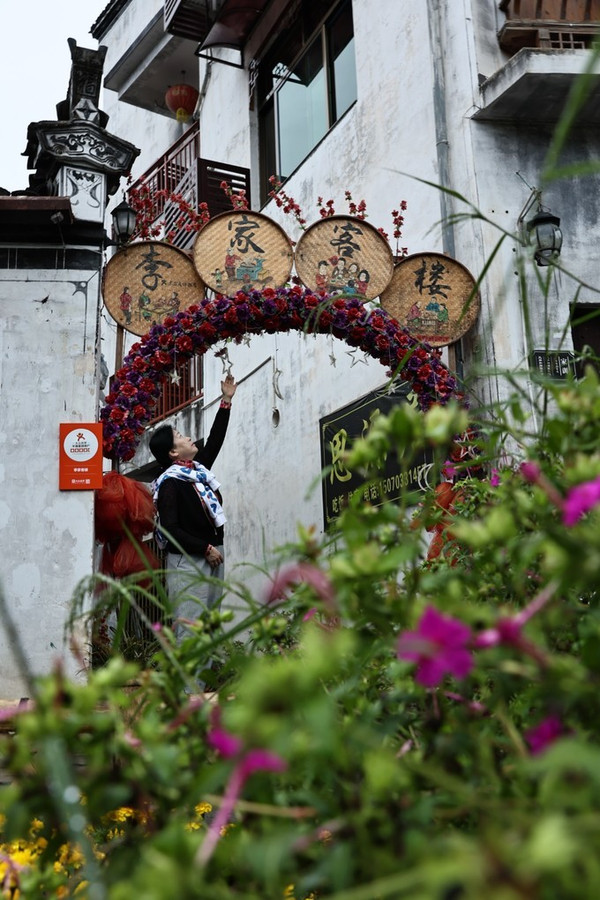
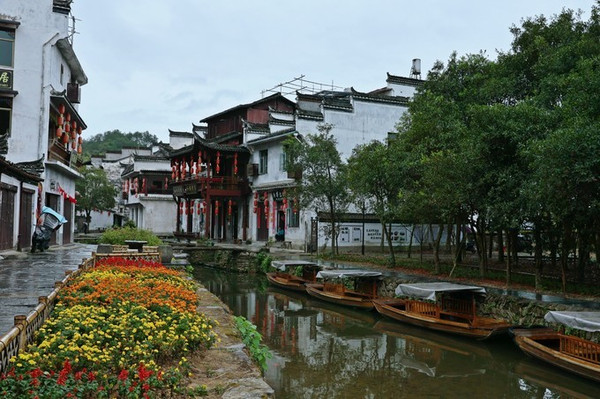
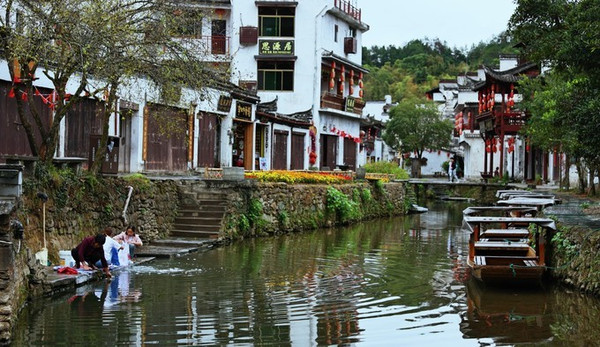
Our first stop was Likeng Village in Wuyuan, Jiangxi. The village has stood for nearly a thousand years, surrounded by mountains on all sides, with well-preserved Huizhou-style architecture. Definitely worth a visit.
You can choose to stay either inside or outside the scenic area. Since we were driving and had a fair amount of luggage, we opted for a guesthouse inside the area where we could park the car right at the door. It was just after the National Day holiday, and with rain in the air, the village was pleasantly uncrowded.
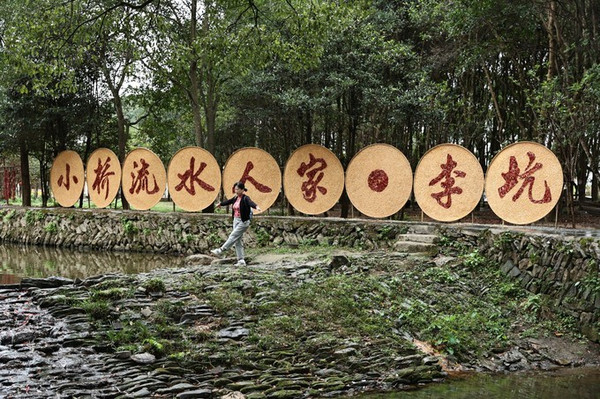
The next day, we headed to Huangling, famous for its “sun-drying” harvest displays. Huangling Village is a national AAAA scenic spot, first settled in the mid-Ming Dynasty over 500 years ago. It’s a classic hillside village, with homes arranged in a fan-shaped, terraced layout around the water gap, giving it a lovely sense of depth and rhythm. The rain kept falling, but the crowds hadn’t thinned much—we queued about twenty minutes for the cable car. Even in the drizzle, the scenery was so distinctive that it didn’t dampen our spirits at all.
A persimmon tree heavy with fruit.
That craftsmanship—nobody else could pull it off.
A little bird sneaking bites of persimmon.
From there, we drove to Tunxi Old Street in Huangshan. Also known as Song Street, it’s the best-preserved ancient street in China, featuring architecture from the Southern Song, Ming, and Qing dynasties. It’s the only “National Historic Preservation District,” and alongside Beijing’s Guozijian Street and Suzhou’s Pingjiang Road, it was named one of China’s Historic and Cultural Streets. The street stretches 1,272 meters, lined with over 300 Huizhou-style buildings from different eras. Because it sits at the junction of the Heng River, Shuai River, and Xin’an River, it’s often called a flowing “Qingming Riverside Scene.”
Afterward, we drove to Tangkou Town at the foot of Huangshan and checked into the Dexin Cultural Boutique Hotel, right by the South Gate. The hotel’s front might be modest, but inside it’s got plenty to offer—dozens of rooms, a sizable restaurant, and a decent-sized supermarket, which made things really convenient. Just as we’d heard, the owner was warm, attentive, and knowledgeable. He sat down with us, marked up our Huangshan map with colored pens, and mapped out a full-day hiking route that proved incredibly useful. He also predicted the rain would clear by morning with good visibility, and encouraged us to go for it.
At 7:30 a.m., we walked 200 meters to the South Gate, bought tickets, took the shuttle to Yungu Temple, rode the cable car up to near Mushroom Pavilion, and then hiked through Shixin Peak, Black Tiger Pine, Monkey Gazing at the Sea, Lion Peak Summit, King Pine, Bright Summit, Aoyu Peak, Hundred-Step Cloud Ladder, and the famous Guest-Greeting Pine. Finally, we took the cable car down from Yuping Tower, hopped on a bus back to the South Gate shuttle stop. The whole loop took about nine hours. The scenery was spectacular, no question—easy on the eyes, but tough on the legs. By the end, I noticed plenty of fellow hikers, myself included, walking with a bit of a wobble. There were sedan chair carriers available, but hardly anyone opted for that. I saw a few people wearing knee braces, which seemed to help—definitely something to try next time.
Monkey Gazing at the Sea.
Immortal Peach Rock.
Lotus Peak.
Aoyu Carrying the Golden Turtle.
Bright Summit.
Hundred-Step Cloud Ladder.
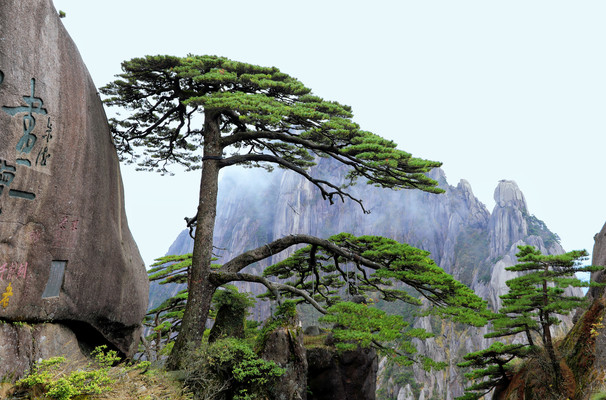
Huangshan’s most famous Guest-Greeting Pine.
On the way back, we stopped in Jingdezhen, the porcelain capital, to pick up some ceramics. We also swung by the “Big Bowl” square in Changnanli Cultural Zone to catch the food festival tied to the Jingdezhen International Ceramics Expo, and made a quick detour to Nanchang to check out the blue-and-white porcelain–inspired buildings at “Sunac Mao.” The design was striking—probably one of a kind anywhere in the world.
Throughout the trip, all we needed was a clean health code on our phones to get in anywhere.