About Ming Xiaoling Mausoleum
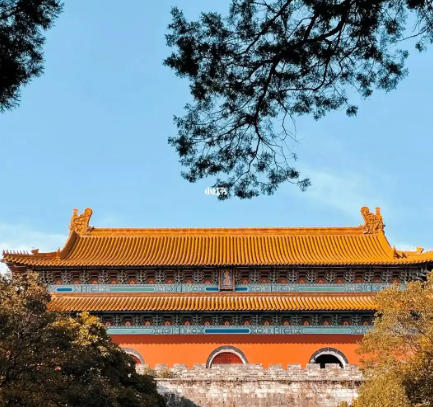
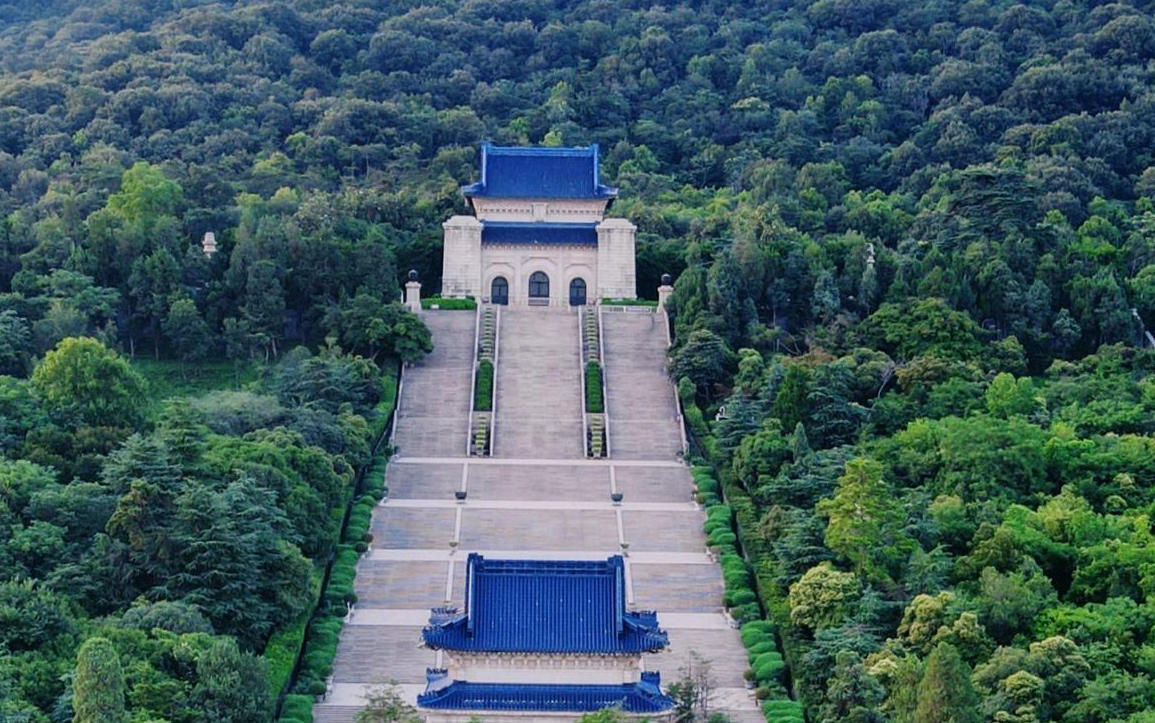
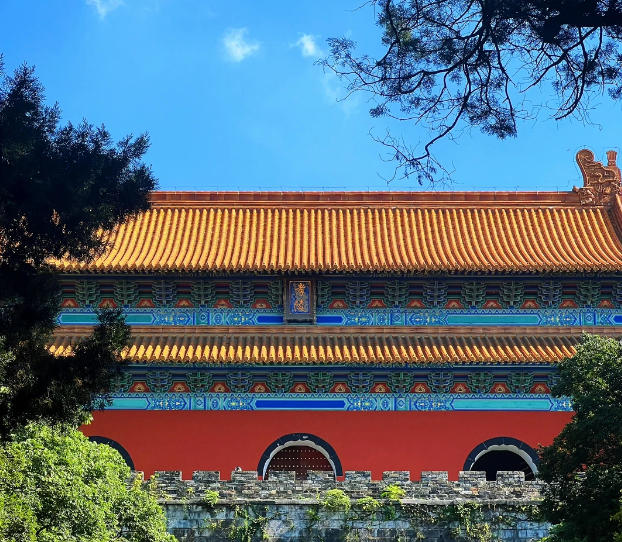
Ming Xiaoling Mausoleum is the tomb of Zhu Yuanzhang (1328-1398), the Hongwu Emperor who founded the Ming Dynasty after overthrowing the Mongol Yuan Dynasty. Built over 30 years starting in 1381, it is one of the largest and most impressive imperial tombs in China, and a UNESCO World Heritage Site.
The mausoleum's most famous feature is the Sacred Way, a 1.5-kilometer path lined with 12 pairs of stone animals (lions, elephants, camels, horses, and mythical beasts) and 6 pairs of stone officials — all carved from single blocks of stone. The path then leads to the tomb mound itself, surrounded by high walls and gates. The complex demonstrates the Ming Dynasty's architectural grandeur and the Chinese belief in feng shui — the tomb is positioned with mountains to the north and water to the south.
What Not to Miss
The Sacred Way with its massive stone animals — some of the finest Ming Dynasty sculptures in China.
The Wengzhong Road, where stone officials stand guard in pairs along the path.
The tomb mound itself, surrounded by high walls — the emperor's resting place remains sealed.