About Sun Yat-sen Mausoleum
The Sun Yat-sen Mausoleum is the final resting place of Dr. Sun Yat-sen (1866-1925), the revolutionary leader who overthrew China's last dynasty and established the Republic of China. Completed in 1929, the mausoleum was designed by Chinese architect Lu Yanzhi in a style that blends traditional Chinese imperial architecture with modern Western elements.
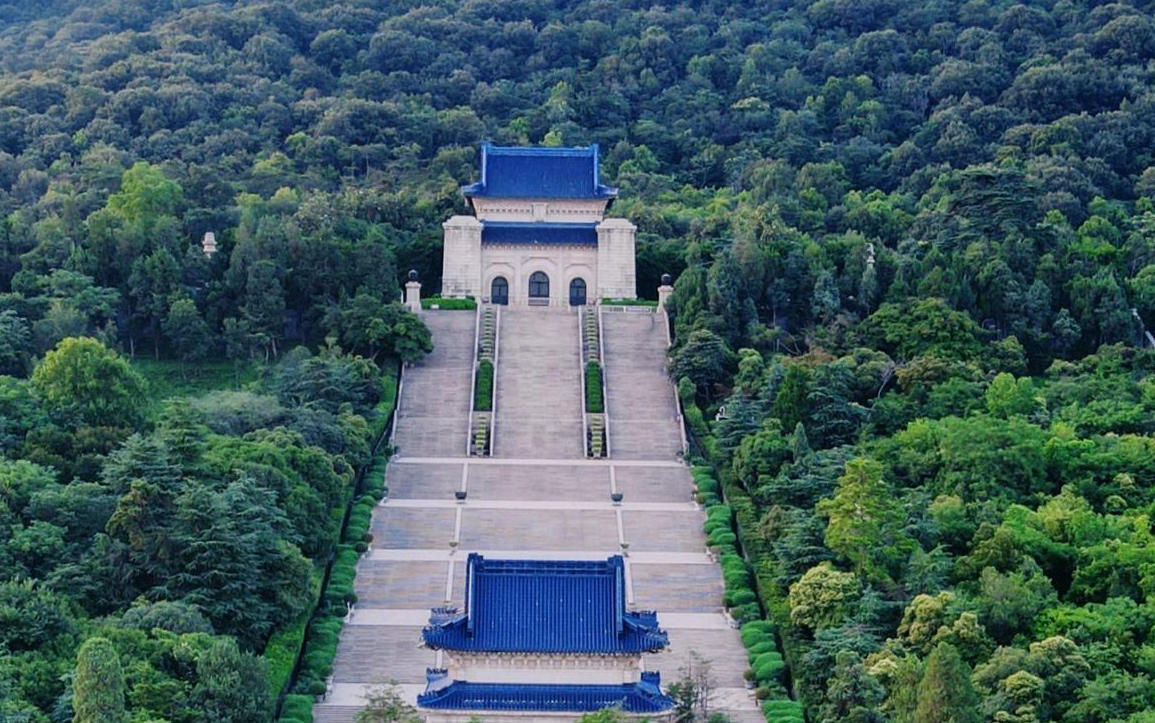
The complex climbs the southern slope of Purple Mountain in a sweeping arc, with 392 stone steps leading from the ornate memorial archway at the base to the sacrificial hall at the top. The buildings are clad in white marble with blue tile roofs — blue representing the sky and white representing purity. Inside the main hall lies a marble statue of Sun Yat-sen, with his tomb chamber below. The site offers not only historical significance but also beautiful views of Nanjing from the hillside.
What Not to Miss
The 392 steps — climb them to reach the top, symbolizing the 392 million Chinese people at the time.
The sacrificial hall with its marble statue of Sun Yat-sen and the inscription "Heaven, Earth, Justice."
The panoramic view from the top looking back down the stairway toward the Nanjing plain.